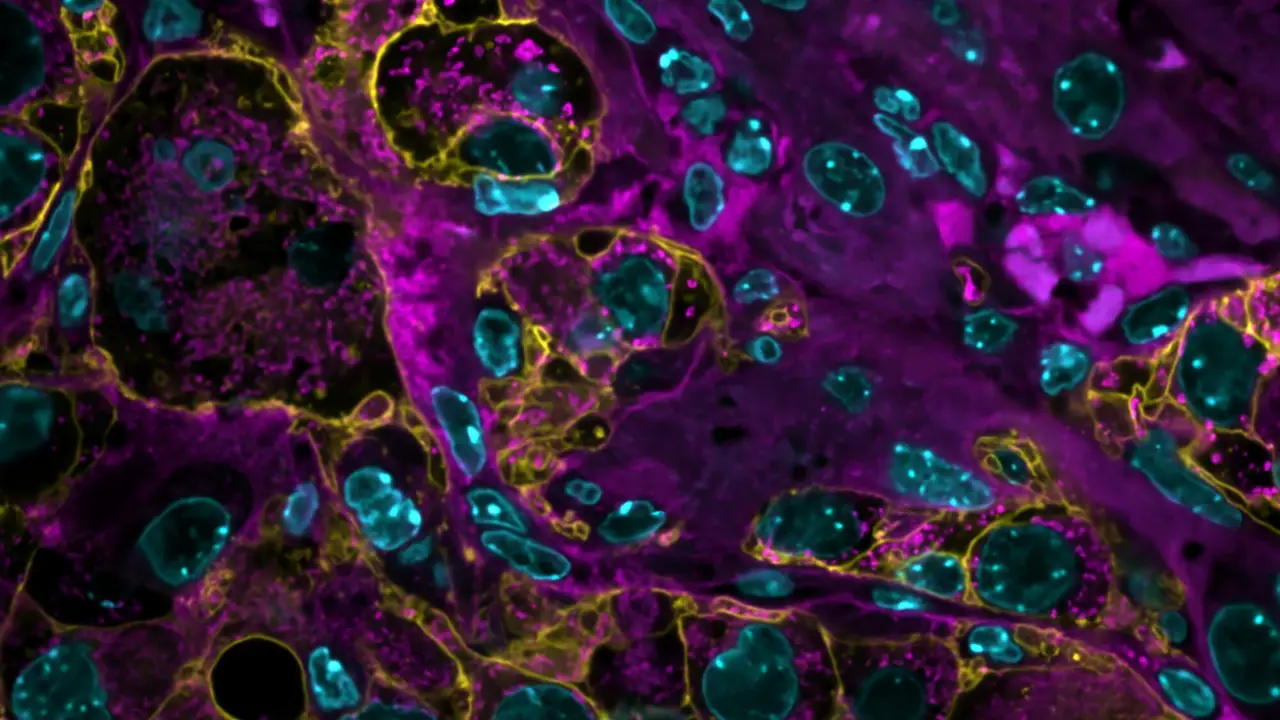
Researchers at The Rockefeller University identified metabolic vulnerabilities in six genetically distinct types of liver tumors in mice. The findings were published November 26 in the journal Science.
Original source — Medical Xpress.
Tumors driven by the MYC gene depended on oxidative phosphorylation, the process by which cells use oxygen to produce energy. Blocking this pathway slowed their growth.
Tumors driven by the KRAS gene, by contrast, relied on creatine metabolism. Disrupting this process also slowed tumor growth, while adding creatine to the mice’s diet accelerated it and could shorten their survival.
In MYC-driven tumors that had also lost the tumor suppressor gene PTEN, cells produced large amounts of a particular membrane lipid. The lipid reduced the availability of receptors that detect inflammatory cell-death signals, helping tumor cells evade immune attack. Blocking its production restored immune cells’ ability to attack the tumor.
The team developed a method to rapidly isolate mitochondria specifically from cancer cells and analyze their contents. The researchers say the approach could help study tumor metabolism and find ways to make tumors more responsive to existing treatments, including immunotherapy.