
Medicine & Research

  1. Medicine & Research

    FDA calls 7-OH products an emerging public health threat

    QuickMD found that the share of new patients seeking help for kratom or 7-OH dependence rose from 10% in 2024 to 50%.

    FDA calls 7-OH products an emerging public health threat
    Photo: The Guardian

    The US Food and Drug Administration said it has serious concerns about products containing 7-hydroxymitragynine, or 7-OH, calling the substance an emerging public health threat.

    The Guardian published the report.

    A study by telehealth provider QuickMD found that the share of new patients seeking help for kratom or 7-OH dependence rose from 10% in 2024 to 50%.

    The US Drug Enforcement Administration issued two notices recommending that 7-OH be placed under federal controls. The substance is one of kratom’s psychoactive ingredients.

    Ole Miss students Aidan Hamilton, 18, and Robert Strang, 20, were found dead in separate incidents. Packages of concentrated kratom-related products were found at both scenes. Federal prosecutors said the circumstances of the students’ deaths were consistent with overdoses. Toxicology results are still pending.

    Kratom comes from the leaves of the tropical tree Mitragyna speciosa. The American Kratom Association urged people to distinguish natural leaf kratom from chemically altered opioid products.

    Addiction specialist Andrew Tatarsky said he was not seeing significant or widespread problems with kratom. He described 7-OH as a potentially problematic substance that people should be educated about and cautioned against.

  2. Medicine & Research

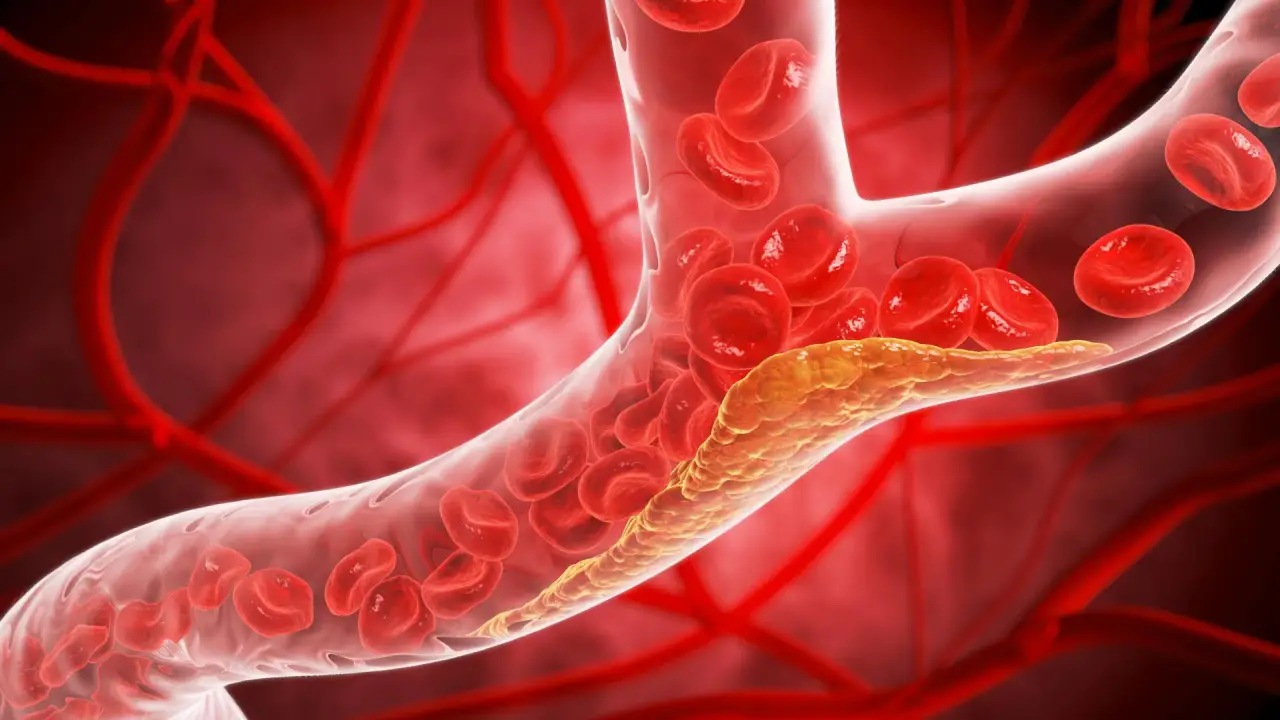
    FDA approves Lipfendra pill; review reports LDL reductions up to 65%

    The review found lower LDL levels among patients taking statins. Researchers have not established whether the medication reduces the risk of heart attacks or strokes.

    FDA approves Lipfendra pill; review reports LDL reductions up to 65%
    Photo: ScienceDaily

    The U.S. Food and Drug Administration (FDA) approved Lipfendra (enlicitide), the first PCSK9 inhibitor available in pill form.

    The story was published by the news site ScienceDaily.

    Researchers at Binghamton University School of Pharmacy and Pharmaceutical Sciences published a review in Annals of Pharmacotherapy. It reported that enlicitide lowered low-density lipoprotein (LDL) levels by about 57% to 65% in patients taking statins.

    In comparative clinical trials, enlicitide lowered LDL levels by about 65%, according to the review. The reductions were 6% for bempedoic acid and 28% for ezetimibe.

    The medication was generally well tolerated. Diarrhea and dizziness were reported slightly more often among patients taking enlicitide than among those receiving a placebo.

    The review’s authors are Clinical Assistant Professors Taylor Clark, Rachel Lucas and Mia Lussier, and Assistant Professor Azadeh Nasuhidehnavi. Researchers have not yet established whether the medication reduces the risk of heart attacks or strokes.

    A 30-day supply of Lipfendra costs $315.

  3. Medicine & Research

    NHS patients say they are refusing treatment over therapy notes

    One man stopped treatment for angina after learning that a psychiatric assessment of his obsessive-compulsive disorder had been shared with a nurse.

    NHS patients say they are refusing treatment over therapy notes
    Photo: The Guardian

    Some patients of the UK’s National Health Service (NHS) said they had stopped or planned to stop treatment after intimate details from therapy were added to their medical records.

    Source: The Guardian.

    A patient identified as Rosanna said conversations with her psychotherapist were added to the London Care Record (LCR). She then stopped treatment at South London and Maudsley NHS trust.

    A patient with obsessive-compulsive disorder said a psychiatric assessment was shared with a nurse due to treat him for angina. The psychiatrist later apologized for misunderstanding his words and clarified that the man posed no risk to others.

    A woman from London said that after receiving treatment for post-traumatic stress disorder during pregnancy, she found a three-page letter in her record. It detailed her husband’s kidnapping, threats against him, and her despair and anxiety.

    In 2024, a woman from Cheshire stopped cognitive behavioral therapy after 12 sessions. She found detailed notes in her record about childhood abuse and said she would no longer seek NHS help for mental health problems.

    One patient complained to the information commissioner, but the complaint was dismissed. A spokesperson for Cornwall Partnership NHS Trust said the trust could not comment on individual cases.

    The trust spokesperson added that health care professionals sometimes need to share relevant information to support safe and coordinated care. The trust takes concerns about confidentiality seriously, the spokesperson said.

    The House of Lords discussed a new single patient record proposed in the health bill. Tim Clement-Jones, the Liberal Democrats’ spokesperson on the digital economy, said the case should be an urgent wake-up call. He also raised concerns about the involvement of architects of the London system in developing a national record.

    Sheila Hollins, an emeritus professor of psychiatry, proposed an amendment to prevent routine sharing of therapy notes. She said it was needed to protect patients’ privacy.

    Retired consultant psychiatrist Minh Alexander opposed blanket sharing of all sensitive medical information. She believes the amount of information shared should reflect its relevance and necessity.

    Sam Smith of MedConfidential said patients may have to accept that tens of thousands of NHS staff could access their records. As a result, some people might limit what they share with health care professionals, he said.

  4. Medicine & Research

    UK pharmacists can change medicines during shortages under new rules

    Pharmacists will be able to offer some alternatives without patients having to contact their GP again. The changes will take effect after approval by the relevant parliaments and assemblies.

    UK pharmacists can change medicines during shortages under new rules
    Photo: BBC News

    Pharmacists across the UK will be able to change some details of a prescription during medicine shortages without sending patients back to their GP for a new one. The changes will take effect once approved by the relevant parliaments and assemblies.

    BBC News published the report.

    They will be able to supply a drug in a different pill strength while keeping the same total dose, or provide it in another form — for example, a capsule instead of a tablet.

    Previously, pharmacists generally had to supply the exact medicine prescribed by a doctor under the 1968 Medicines Act. If it was out of stock, patients often had to contact their GP for an alternative prescription. Another option, if it was safe, was to wait for new supplies.

    That’s why we’re changing the rules so that people can get the treatment they need with less hassle, and no delay.

    Diana Johnson, Public health minister
  5. Medicine & Research

    Umeå researchers identify sleepy sickness hotspot in Vilhelmina

    Nearly 80% of reported cases in Sweden’s Västerbotten region were recorded in the rural community. Researchers also found outbreaks of influenza and mumps there before the epidemic.

    Umeå researchers identify sleepy sickness hotspot in Vilhelmina
    Photo: Medical Xpress

    Researchers at the Centre of Demographic and Ageing Research (CEDAR) at Umeå University found that Vilhelmina accounted for nearly 80% of reported encephalitis lethargica cases in Västerbotten in 1921. Their findings were published in Epidemiology and Infection.

    This was reported by the news site Medical Xpress.

    The team analyzed national statistics from historical health care reports and medical reports from Västerbotten. Their analysis indicates that the disease first spread in the Stockholm area before quickly reaching northern Sweden.

    The finding surprised the researchers: epidemics usually hit densely populated cities hardest, while Vilhelmina was sparsely populated. Erling Häggström Gunfridsson suggested the disease may have spread through cities before case reporting became mandatory.

    Researchers also found severe outbreaks of Spanish flu and mumps in Vilhelmina before the encephalitis lethargica outbreak. They said the combination of infections may have affected the disease’s development and spread, but the study does not establish a causal link.

    Encephalitis lethargica, known as sleepy sickness, was a mysterious epidemic of the early 20th century. Its cause remains unknown; the authors say historical population and health data may help researchers investigate infections and their long-term effects.