Austin-based Paradromics announced a partnership with Nvidia to use the company’s hardware and software to process neural data.
The story was published by the news site Wired.
Paradromics plans to use Nvidia’s Jetson computing module to decode speech in a compact device near the user. It will also use Holoscan, Nvidia’s software for low-latency sensor data processing.
The Paradromics implant records neural signals through more than 400 embedded electrodes. AI analyzes the signals, and a computer displays the resulting words on a screen and speaks them aloud.
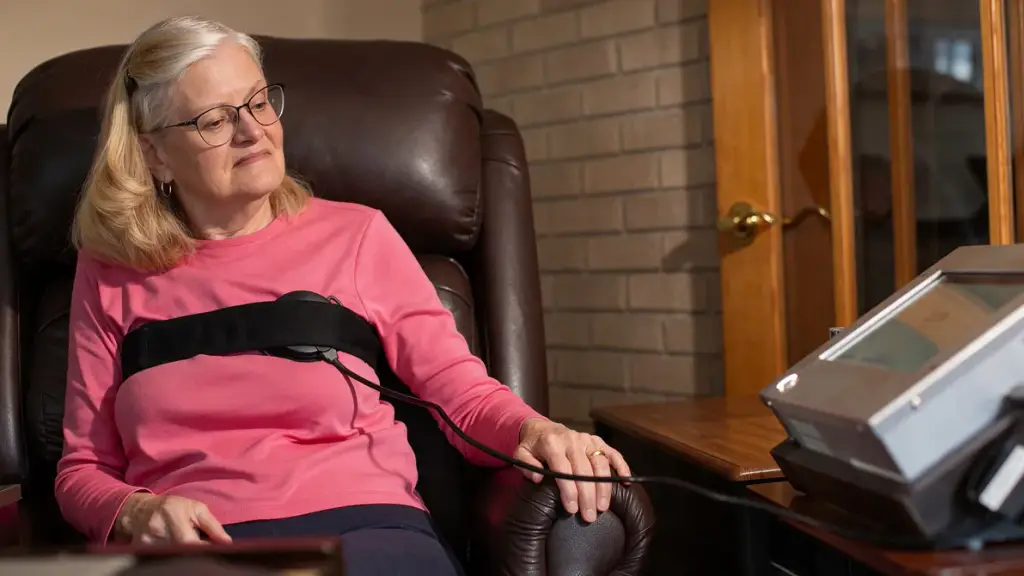
Processing the signals currently requires a cart of electronics plugged into an outlet. Within a year, it is expected to become a small unit that can sit on a wheelchair. Paradromics founder and CEO Matt Angle said the electronics could eventually fit in a phone.
Holoscan is intended to help combine neural signals with data from other sensors, including cameras and microphones. David Niewolny, Nvidia’s director of business development for health care and medical, said AI must continually adapt as a user’s neural signals change.
Paradromics will also be able to integrate Nvidia foundation models into its brain-computer interface. The models could make synthesized voices more expressive and natural, said Vikash Gilja, Paradromics’ chief scientific officer. Running them locally on Nvidia hardware would mean users do not need an internet connection.
Niewolny also said Nvidia will not have access to brain data through these partnerships.