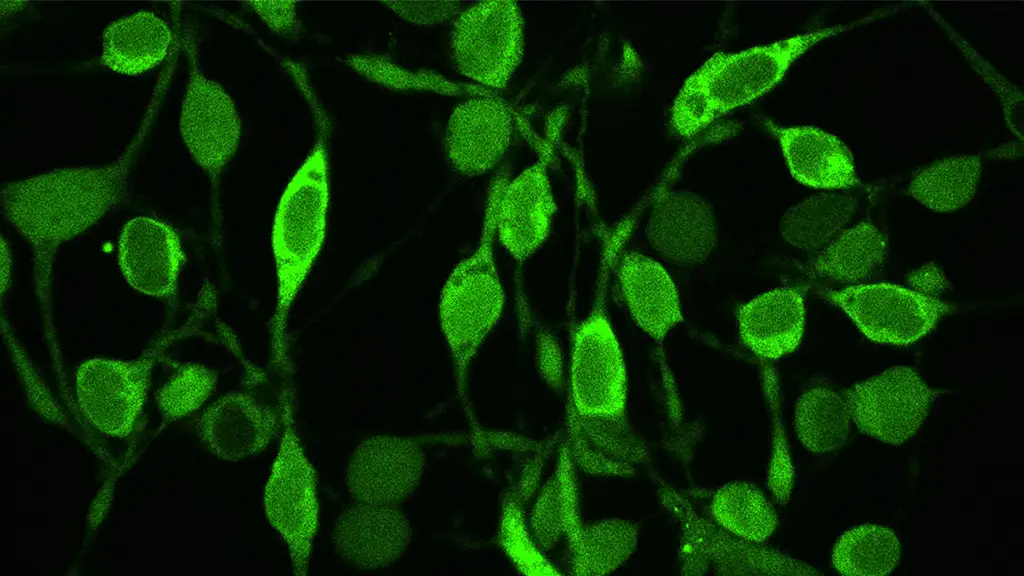
Researchers at UT Southwestern Medical Center found that phenolic glycolipid (PGL), produced by some strains of tuberculosis bacteria, activates sensory nerves. They studied the molecule in nerve cells from mice and humans and in preclinical models; the results were published November 25 in Nature Microbiology.
Medical Xpress has the details.
A persistent cough is a common symptom of pulmonary tuberculosis and one factor in the spread of infection. Coughing releases bacteria into the air, where they can be inhaled by other people.
The team tested PGL on nerve cells isolated from mice and human donors. The molecule activated cells from both species and made human nerve cells more sensitive to stimulation.
PGL and sulfolipid-1 — another bacterial molecule the researchers had studied previously — activated nerve cells more strongly together than either did alone. In preclinical models, exposure to aerosolized PGL was sufficient to trigger coughing.
The researchers found evidence that PGL stimulates the release of adenosine triphosphate (ATP). ATP activates P2X3 receptors on sensory nerves, helping initiate signals associated with coughing.
When researchers used gefapixant, a drug that blocks P2X3 receptors, nerve-cell responses to PGL fell significantly. The drug is approved in the European Union for adults with refractory or unexplained chronic cough.
Michael Shiloh, the study’s corresponding author, said drugs such as gefapixant should be tested against tuberculosis-associated cough. If effective during infection, he said, treatment could ease symptoms and reduce the spread of infection when used alongside antibiotics.