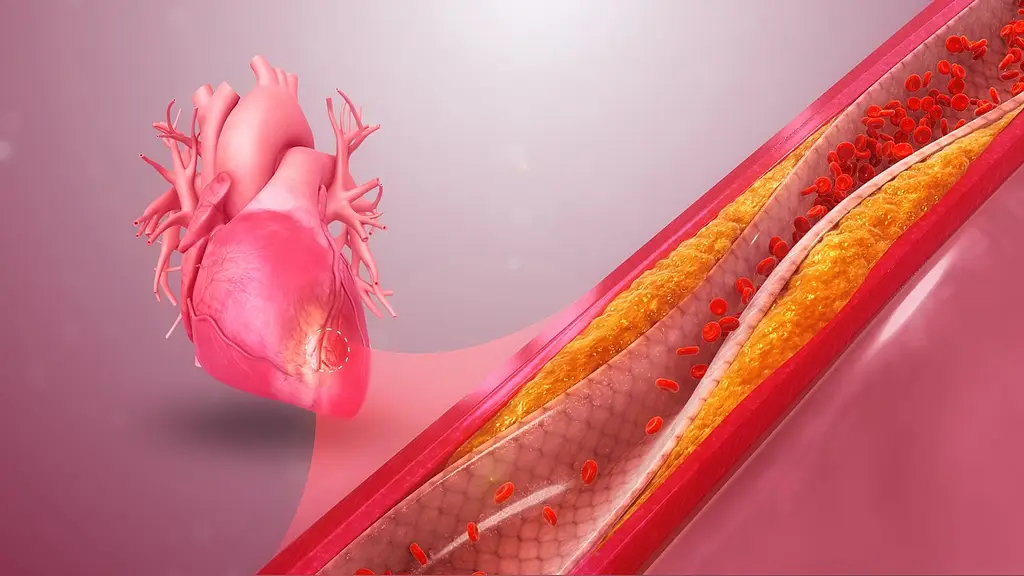
The study, led by researchers at Washington University School of Medicine in St. Louis, analyzed 44 coronary artery samples. The findings were published in Nature on November 25.
Original source — Medical Xpress.
The samples came from patients who received heart transplants because of heart failure. Blocked coronary arteries caused heart failure in about half of the patients; other conditions caused it in the rest.
Researchers matched variants in noncoding regions of the genome with the genes and cell types they affect. The study examined smooth muscle cells, endothelial cells, fibroblasts and immune cells.
The analysis found that much of the inherited risk is linked to noncoding variants acting on genes in artery wall cells, especially smooth muscle cells. One variant prompted production of a protein that made these cells less able to contract, stiffer and more prone to inflammation.
Coronary artery disease develops through the interaction of genetic and environmental factors. Earlier large-scale genetic studies identified more than 350 inherited changes associated with increased disease risk; nearly all are in noncoding parts of the genome.
Researchers are studying several genes identified in the work to find potential therapeutic targets. They are also examining additional samples of diseased arteries to expand the genetic map.