In a study, 62 people with stable chronic obstructive pulmonary disease (COPD) exercised for 12 weeks. Several measures of peripheral airway function improved after the program, according to results published in Respiratory Research.
More details are available from Medical Xpress.
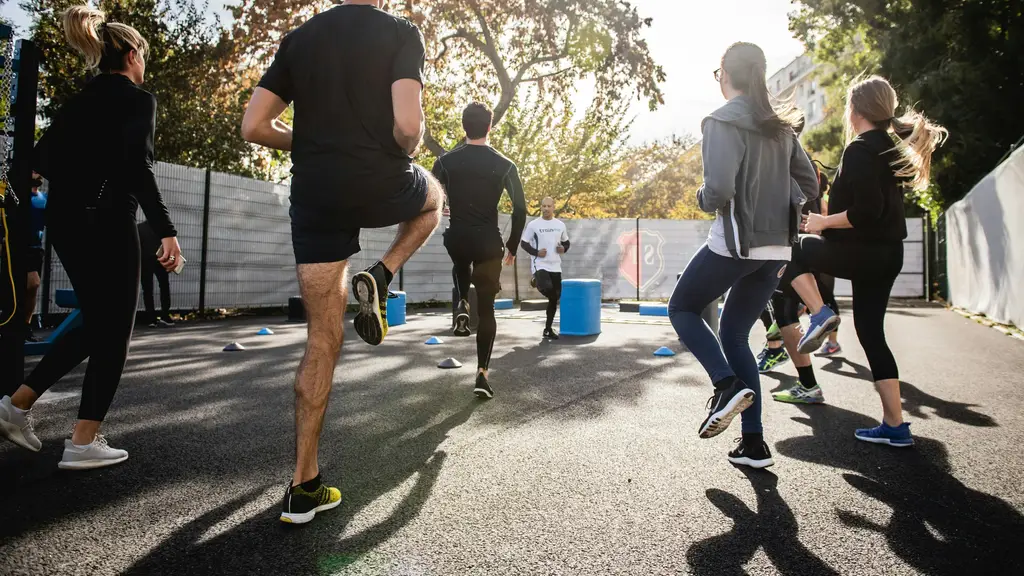
Participants trained three times a week: two sessions were held in small groups under the supervision of a physical therapist, and one was done at home. The program combined cardio and strength training and was adapted to each participant’s abilities.
Lung function was assessed before and after the program, so participants served as their own controls. Impulse oscillometry measures the mechanical properties of the lungs during normal, calm breathing.
Impulse oscillometry showed clear improvements in several measures of peripheral airway function. Changes measured by spirometry were minor, absent or difficult to detect.
After the program, participants walked an average of 28 meters farther in six minutes than they had before it. They also completed 2.5 more repetitions in a one-minute sit-to-stand test.
Symptoms improved most among participants who had more severe symptoms at the start. Researchers also observed individual differences that require further study.
Gunilla Westergren-Thorsson, professor of lung biology at Lund University, said exercise may change lung biomechanics and how air is distributed in the lungs. The exact mechanism needs further study.
Researchers are analyzing blood samples collected before and after the training period to find out which biological processes exercise triggers. They will also study the results in a bioreactor, where lung cells in 3D models will undergo mechanical stretching that mimics breathing.