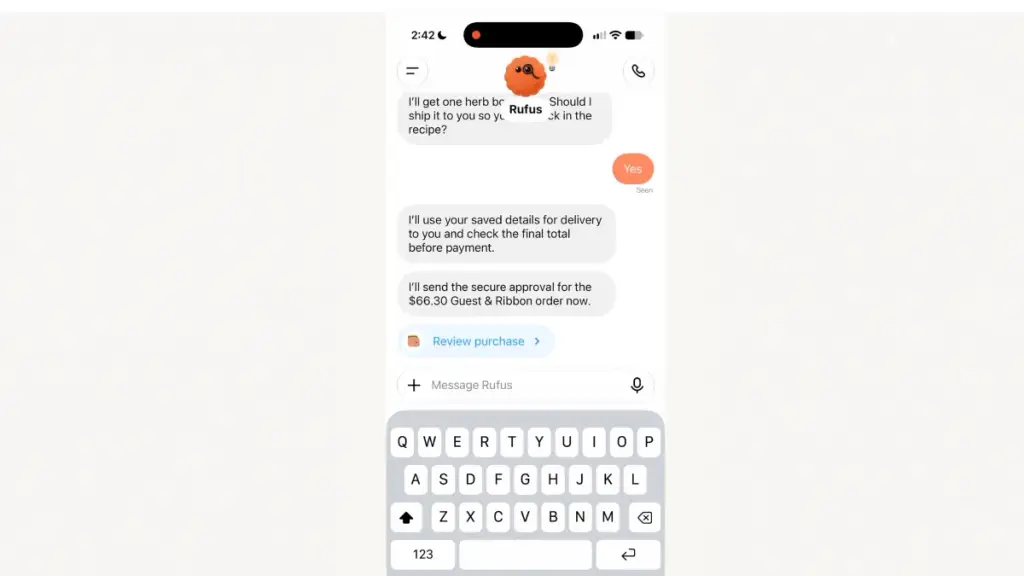
On November 13, OpenAI launched ChatGPT Wallet, a feature that allows its agents, called dots, to select products and complete purchases on the user’s behalf. It is first available to a limited number of US ChatGPT Pro subscribers aged 18 and older who have a US-issued Visa, Mastercard or American Express card.
The story was published by the news site TechCrunch. Also reporting: The Verge, Engadget.
According to OpenAI, the user sees the products, the total amount and the payment card before the payment is made. The purchase can be confirmed with Face ID or a fingerprint, which creates a transaction record.
To start, the user adds eligible cards to ChatGPT Wallet and then asks their dot to help with a purchase. Payment details do not need to be set up each time. During checkout, Wallet uses a payment token instead of the real card data, so neither the dot nor the seller receives that data.
OpenAI also says that purchases made through dots keep card rewards and protections, such as the ability to dispute a transaction. The agent automatically passes the delivery address and contact details to the seller.
In the future, the company plans to give users more control, including spending limits and rules by category or time period, so that the agent can complete pre-approved purchases on its own. OpenAI also wants to connect more retailers, although some of them already block AI agents on their websites. In particular, according to TechCrunch, Amazon has banned agents and is instead promoting its own assistant, Alexa.
For companies that want to work with agents, OpenAI has published the Commerce Partner Playbook, which includes tools and recommendations.