War

  1. War

    Rheinmetall CEO says company may drop plans for ammunition plant

    Armin Papperger said Rheinmetall could supply equipment for Ukrainian production and long-range shells that Ukraine does not yet have the technology to make.

    Rheinmetall CEO says company may drop plans for ammunition plant
    Photo: The Kyiv Independent

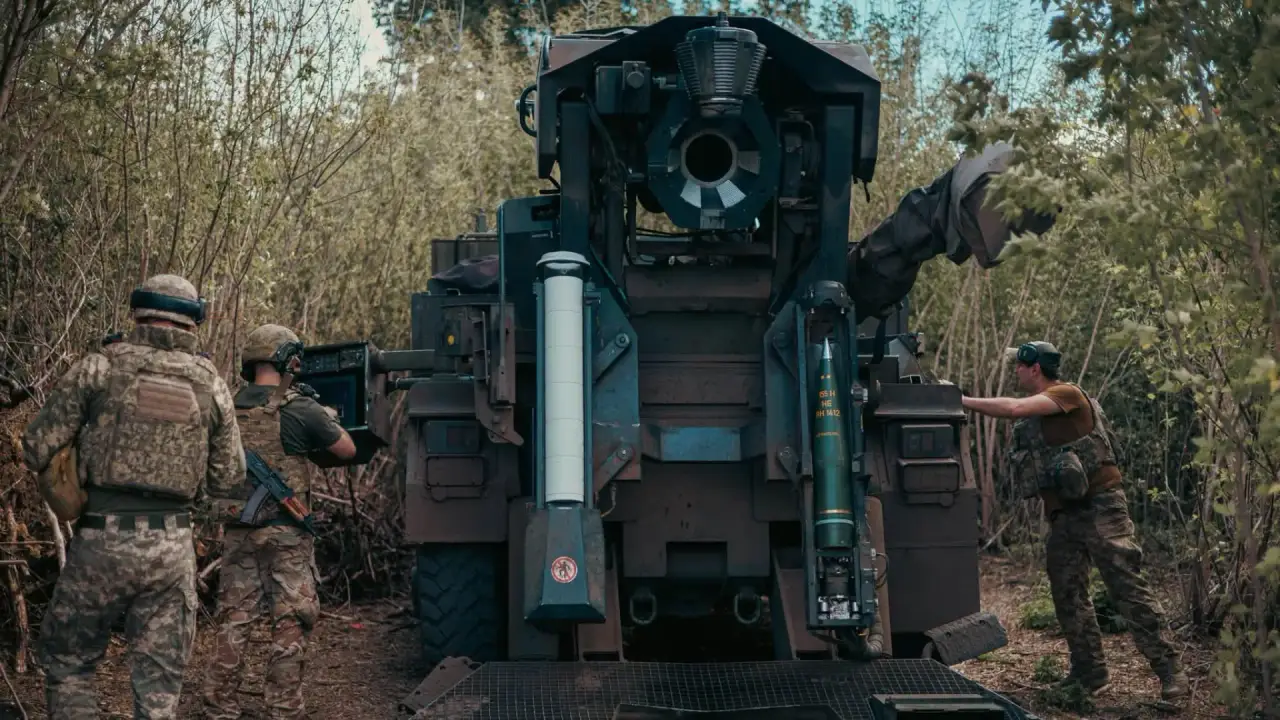
    Rheinmetall CEO Armin Papperger said Nov. 27 that the German defense company may drop plans to build a plant in Ukraine for 155 mm artillery ammunition. The plant was expected to produce about 150,000 shells a year. Papperger made the remarks during Rheinmetall’s Capital Markets Day presentation in Hamburg.

    The story was published by the news site The Kyiv Independent.

    The project was announced in February 2024. Papperger had previously blamed delays on bureaucratic hurdles in Ukraine. Production was initially planned to begin in 2026.

    I think we will not continue because there is no progress from the Ukrainian side because they want to do it by themselves.

    Armin Papperger, Rheinmetall CEO

    Papperger said Ukrainian forces use between 1 million and 1.3 million artillery shells a year, with at least half produced in Ukraine.

    Rheinmetall continues to supply Ukraine with artillery ammunition as part of military aid from Germany, Denmark and the Netherlands. Papperger also said the company could provide equipment to expand Ukrainian production and supply long-range shells that Ukraine does not yet have the technology to produce.
  2. War

    Bulgaria seeks to lift bans on Russian pig iron imports

    Sofia also opposes listing a Russian chemicals company and one individual under the 22nd sanctions package, citing possible effects on agriculture and nuclear security.

    Bulgaria seeks to lift bans on Russian pig iron imports
    Photo: The Kyiv Independent

    Bulgaria is seeking to lift bans on imports of Russian pig iron and mining equipment, according to diplomats from European Union (EU) countries. It also wants a Russian chemicals company and one individual removed from the 22nd sanctions package so a broader set of new measures can be approved. The European Commission proposed the package on November 23.

    The Kyiv Independent has the details.

    Four diplomatic sources said EU country representatives broadly supported the package. Bulgaria and Italy objected to some of its provisions.

    EU and Ukrainian officials believe Bulgaria’s demand may have a commercial motive. One diplomat said Bulgaria claimed its efforts to diversify supply chains had not worked.

    The draft package identified the company and individual as part of the Russian arms industry. Bulgaria fears sanctions on the company could harm agriculture, possibly because of its role in fertilizer production. Regarding the individual, the country cited "nuclear security" concerns; the person is associated with a Russian nuclear facility with both civilian and military applications.

    Italy opposed a proposal to bar Europeans from serving on the boards of Russian companies. Diplomats considered the proposal’s wording too vague. Italy also wanted further scrutiny of restrictions on banks in third countries, measures affecting sport and culture, and rules for monitoring the movements of Russian diplomats.

    EU countries aim to agree on the package at a foreign ministers’ meeting on December 14, ahead of an EU leaders’ summit later that week. Bulgaria’s Permanent Representation to the EU did not respond to a request for comment on the objections before publication.

  3. War updated 00:43

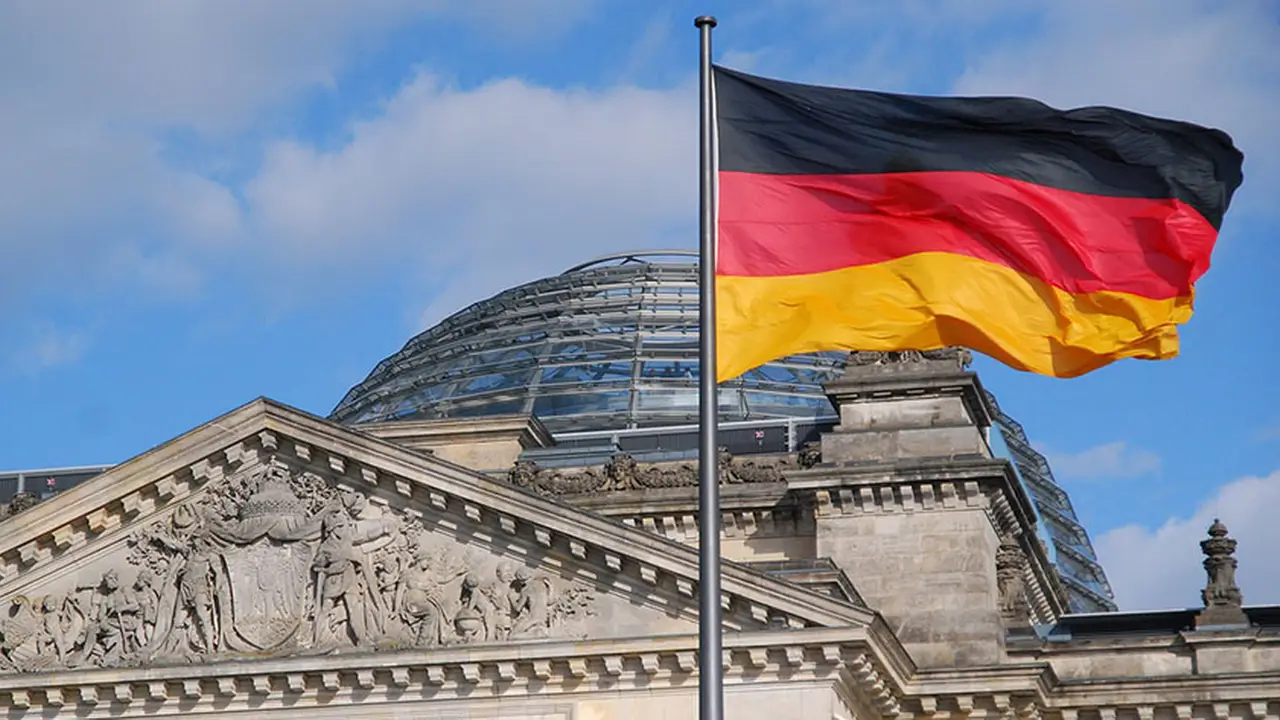
    Bundestag approves budget with €12 billion in aid for Ukraine

    Planned borrowing totals €210 billion, while defense spending is set to rise to nearly €140 billion. The budget passed with 317 votes in favor and 260 against.

    Bundestag approves budget with €12 billion in aid for Ukraine
    Photo: Європейська правда

    According to The Spiegel, the Bundestag approved Germany’s 2027 budget, which provides for €12 billion in aid for Ukraine, €210 billion in borrowing and €556 billion in spending.

    Європейська правда reported the news. Also reporting: Українська правда, The Kyiv Independent, Інтерфакс-Україна.

    New borrowing is planned in the main budget and special funds. The budget deficit stood at €180 billion.

    Defense spending is set to rise to nearly €140 billion, a record level since the end of the Cold War.

    More than a third of the funds will go toward labor and social security. The government plans, among other things, to subsidize pensions.

    The budget, proposed by the grand coalition, passed with 317 lawmakers voting in favor and 260 against. Its spending is about €31 billion higher than this year’s budget.

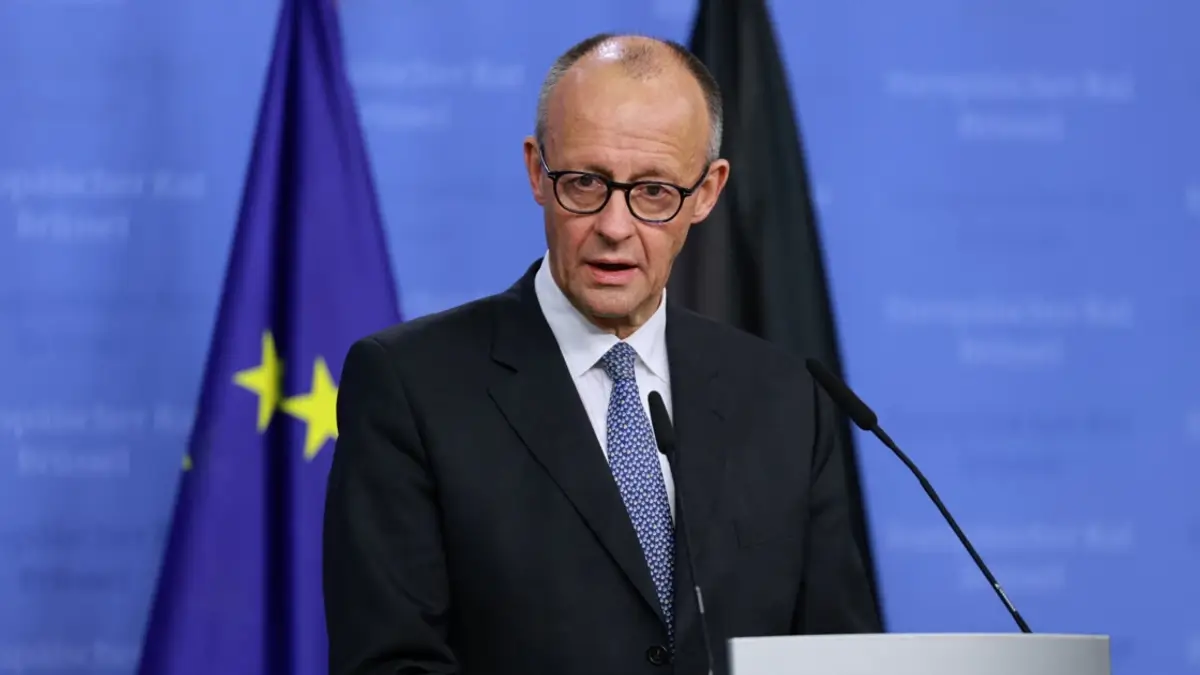
    German Chancellor Friedrich Merz linked Berlin’s agreement to the European Union’s (EU) upcoming seven-year budget to member states’ willingness to fund Ukraine.

    Merz also said all EU countries must contribute to funding Ukraine and rejected any attempt by individual countries to shirk that responsibility.

  4. War updated 21:04

    Zelensky says free bus routes are being planned in Kyiv

    The algorithms are also to cover the capital’s logistics. Officials discussed protecting infrastructure facilities and building alternatives.

    Zelensky says free bus routes are being planned in Kyiv
    Photo: Інтерфакс-Україна

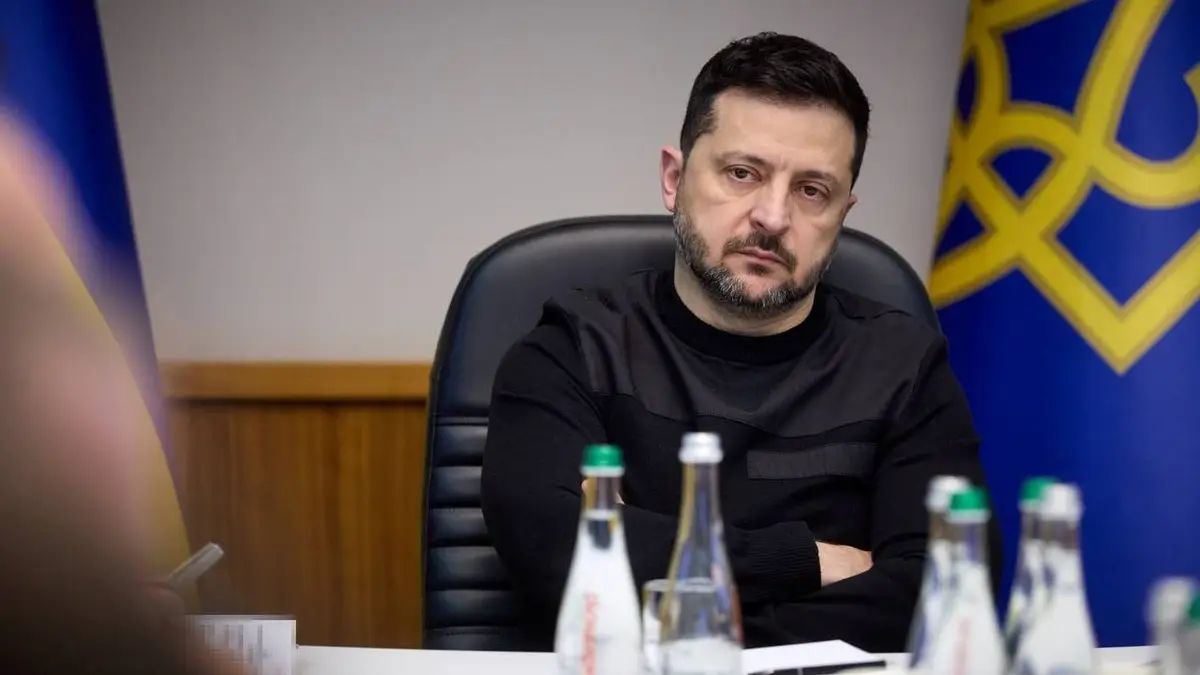
    The government and Kyiv city authorities are developing a system for free use of designated bus routes if other public transport stops running. President Volodymyr Zelensky said this on November 27 after a meeting of the Staff of the Supreme Commander-in-Chief.

    Original report: Інтерфакс-Україна. Also reporting: Укрінформ, Радіо Свобода.

    Zelensky said military officials, intelligence representatives, government officials and Kyiv Mayor Vitali Klitschko gave briefings at the meeting. Specific plans have been developed for public transport and overall logistics in Kyiv in case the situation significantly worsens because of Russian strikes.

    The president said the system is intended to ensure that people and businesses in the capital can use transport, work and study under any circumstances. He also said the plans aim to preserve the ability of people to remain in the city.

    Klitschko and government representatives also briefed officials on protecting designated infrastructure facilities in the capital and building alternatives. Zelensky stressed the need to speed up this work as much as possible.

  5. War

    Merz sees signs of possible compromise on Ukraine funding

    Merz plans to continue talks with European leaders and revisit the issue at a summit in December.

    Merz sees signs of possible compromise on Ukraine funding
    Photo: Радіо Свобода

    After an extraordinary European Union (EU) summit in Brussels on November 26, German Chancellor Friedrich Merz said he saw signs of a possible compromise on funding for Ukraine. The leaders of 27 countries did not agree on an additional €45 billion loan for Ukraine for 2027.

    More details are available from Радіо Свобода. Also reporting: Укрінформ.

    Merz said some countries hesitant about providing funding had ideas for how to distribute the money and take domestic political needs into account. The chancellor insists that the entire European Union should provide the assistance.

    At the summit, leaders also discussed the EU budget for 2028–2034, which earmarks €100 billion for Ukraine. They did not reach a final agreement on the budget.

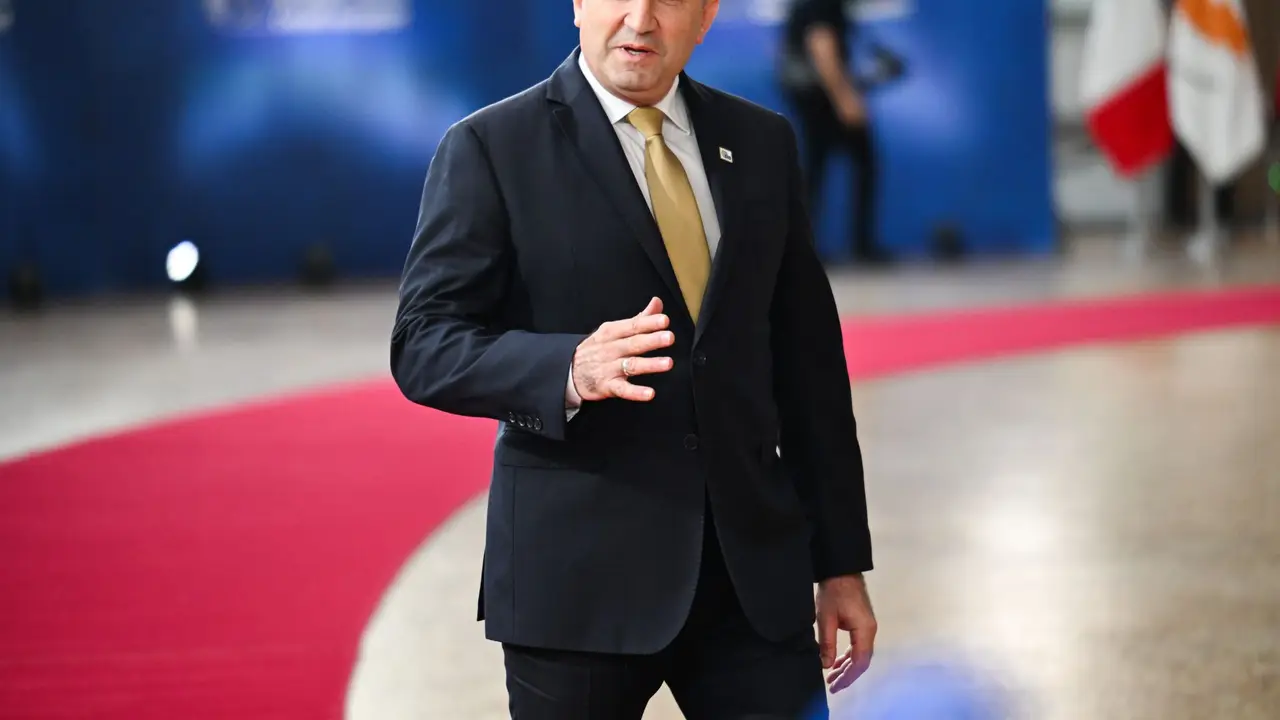
    Bulgarian Prime Minister Rumen Radev expressed readiness to contribute to funding the nonmilitary component of a €20 billion loan. He said Bulgaria would not provide funds for arming Ukraine. Hungary, Slovakia and the Czech Republic have also expressed reluctance to help with the funding.

    Merz plans to discuss the issue with individual European leaders and revisit it at a summit in December. He also called for decisions on long-term funding for Ukraine to be made by qualified majority rather than unanimously.

    EU decisions on funding countries outside the bloc currently require unanimous support. Changing this procedure also requires the consent of all member states.