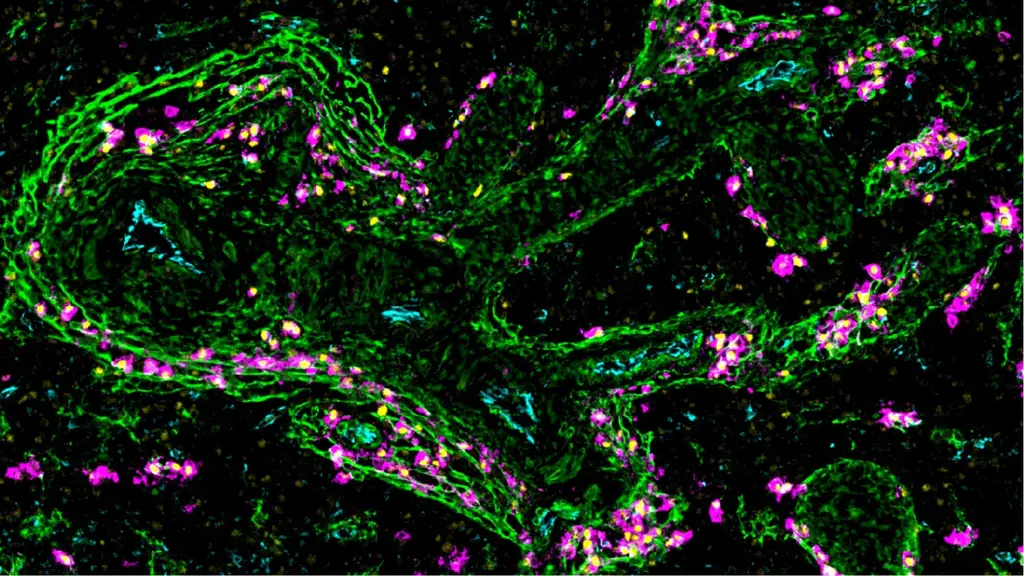
In mice with a mutation that is a genetic driver of lupus, CAR T-cell therapy targeting B cells removed the source of autoantibodies more effectively than therapy targeting plasma cells, researchers found. The results were published in Cell.
Source: Medical Xpress.
CAR T-cell therapy genetically modifies a person’s own T cells so they can recognize and attack specific cell types.
Researchers genetically traced the origins of autoantibodies in mice with a mutation that is a genetic driver of lupus. They found that autoantibody-producing plasma cells accumulated in the spleen but were relatively short-lived. New B cells continually replenished them; some of those B cells or their descendants persisted for more than 200 days.
Researchers tested CAR T-cell therapy targeting B cells and plasma cells. Both approaches reduced autoantibodies and increased the mice’s survival, but the autoantibodies returned after a few weeks.
After B cells were targeted, newly formed cells produced the returning autoantibodies. After plasma cell-targeting therapy, some of the original cells survived and continued to produce autoantibodies.
Researcher Carola Vinuesa emphasized the limitations of mouse models. Comparing different types of CAR T-cell therapy in people is more complicated, she said, and requires long-term monitoring.
Vinuesa noted that some plasma cells may live longer in certain inflamed human tissues, including the kidneys. Researchers do not yet know how this affects the risk of relapse.
The team hopes to investigate whether combining CAR T-cell therapy with additional treatment could help people with recurring lupus. Such treatment could block the genetic driver or prevent new rogue B cells from developing.