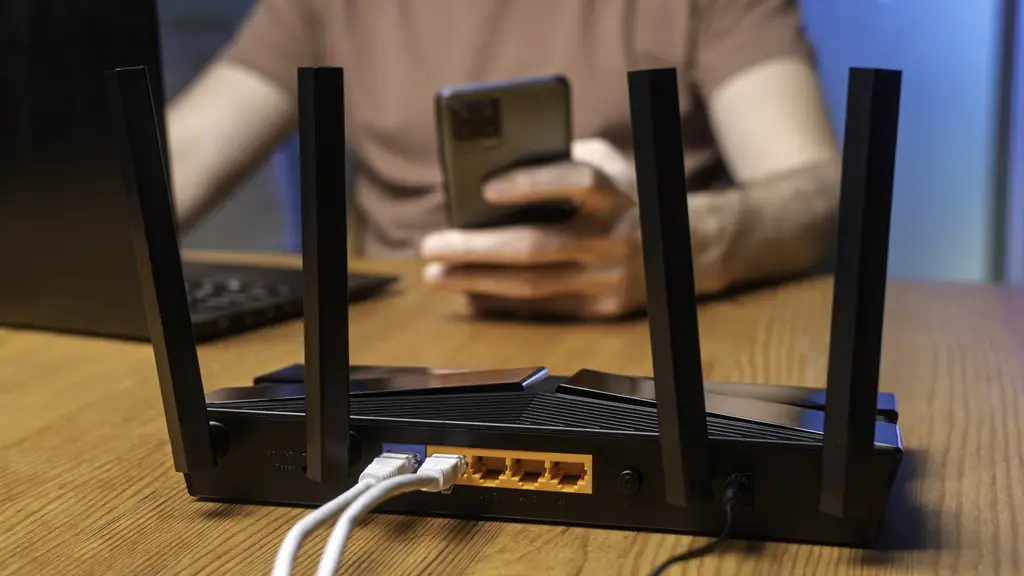
Wi-Fi 8 (802.11bn) is still in development, with final approval expected in 2028. The draft standard aims for 25% higher throughput with weak signals, 25% fewer dropped packets and 25% lower latency at the most unstable moments.
Engadget has the details.
The standard is designed to help with weak signals in parts of a home and in apartment buildings where 20 networks compete for airtime. It should also improve handoffs between rooms.
To do that, compatible access points will be able to coordinate when they transmit data. Today, routers share channels by taking turns, but not always efficiently.
An ASUS gaming router or mesh system based on Wi-Fi 8 is already available, and a TP-Link model is expected soon in some regions. These devices are built on the draft standard.
To benefit, both the router and the user’s device — a phone, laptop or tablet — must support Wi-Fi 8. The first devices are based on the draft standard, so there is no guarantee they will support all features of the final version.
The article’s author estimates that Wi-Fi 8’s benefits are a year or two away. The author considers Wi-Fi 7 a reasonable choice for a new router for now.