Medicine & Research

  1. Medicine & Research

    Review finds unhealthy food promoted more heavily on delivery apps

    The authors urge governments to regulate the platforms, including by limiting junk food promotions and making recommendation algorithms more transparent.

    Review finds unhealthy food promoted more heavily on delivery apps
    Photo: Medical Xpress

    Researchers from Edith Cowan University and Deakin University reviewed how online food delivery platforms affect diet, physical activity, the environment, work practices and policy gaps. The review was published in Current Obesity Reports.

    The report comes from Medical Xpress.

    The review found that unhealthy foods dominate delivery apps and are promoted more heavily than healthier alternatives. Platforms also use personalized recommendations, algorithm-driven rankings, discounts, combo deals and other digital tactics to encourage customers to spend more.

    Proposed measures include mandatory kilojoule labeling and tighter restrictions on junk food promotions. The authors also recommend greater transparency around recommendation algorithms and offering healthier meals by default.

    The review’s lead author is Adyya Gupta, a senior research fellow within the Food Environments Team at Edith Cowan University’s Nutrition and Health Innovation Research Institute.

    Gupta said the apps increasingly shape people’s everyday food choices, rather than simply making ordering more convenient.
  2. Medicine & Research updated 23:54

    Researchers describe how a tuberculosis molecule may trigger cough

    Gefapixant reduced nerve-cell responses to PGL, but the findings are still based on cell experiments and preclinical models.

    Researchers describe how a tuberculosis molecule may trigger cough
    Photo: Medical Xpress

    Researchers at UT Southwestern Medical Center found that phenolic glycolipid (PGL), produced by some strains of tuberculosis bacteria, activates sensory nerves. They studied the molecule in nerve cells from mice and humans and in preclinical models; the results were published November 25 in Nature Microbiology.

    Medical Xpress has the details.

    A persistent cough is a common symptom of pulmonary tuberculosis and one factor in the spread of infection. Coughing releases bacteria into the air, where they can be inhaled by other people.

    The team tested PGL on nerve cells isolated from mice and human donors. The molecule activated cells from both species and made human nerve cells more sensitive to stimulation.

    PGL and sulfolipid-1 — another bacterial molecule the researchers had studied previously — activated nerve cells more strongly together than either did alone. In preclinical models, exposure to aerosolized PGL was sufficient to trigger coughing.

    The researchers found evidence that PGL stimulates the release of adenosine triphosphate (ATP). ATP activates P2X3 receptors on sensory nerves, helping initiate signals associated with coughing.

    When researchers used gefapixant, a drug that blocks P2X3 receptors, nerve-cell responses to PGL fell significantly. The drug is approved in the European Union for adults with refractory or unexplained chronic cough.

    Michael Shiloh, the study’s corresponding author, said drugs such as gefapixant should be tested against tuberculosis-associated cough. If effective during infection, he said, treatment could ease symptoms and reduce the spread of infection when used alongside antibiotics.

  3. Medicine & Research updated 23:54

    CK2 inhibitor slows Ewing sarcoma tumor growth in preclinical models

    The drug is also being tested with irinotecan-containing therapy in a Phase I trial assessing safety and tolerability at 27 hospitals.

    CK2 inhibitor slows Ewing sarcoma tumor growth in preclinical models
    Photo: Medical Xpress

    In 2026, researchers at Penn State College of Medicine studied the casein kinase II (CK2) inhibitor CX-4945 in cells and mouse models of Ewing sarcoma. The results were published in Molecular Cancer Therapeutics.

    Original source — Medical Xpress.

    Ewing sarcoma is a rare cancer of the bones and soft tissues that affects children and adolescents. The tumor is associated with EWS-FLI1, a protein formed by the fusion of two genes.

    Researchers found high CK2 levels in tumors from patients with Ewing sarcoma. Higher levels and activity of the enzyme were linked to worse outcomes. Team leader Chandrika Behura explained that CK2, together with other proteins, stabilizes EWS-FLI1 and protects it from breakdown.

    In Ewing sarcoma cells, CX-4945, also known as silmitasertib, blocked CK2 activity. This increased the breakdown of EWS-FLI1 and suppressed cancer-related signaling pathways.

    In mouse models, treatment slowed tumor growth and prolonged survival. In cell cultures, the drug also worked in combination with irinotecan, a chemotherapy used for relapsed Ewing sarcoma.

    A Phase I clinical trial is underway at 27 hospitals. It is testing the safety and tolerability of a CK2 inhibitor combined with irinotecan-containing therapy for patients with relapsed Ewing sarcoma. After Phase I is complete, researchers plan to open a Phase II trial to assess the combination and dosing’s effect on response rates.

  4. Medicine & Research updated 23:54

    Mouse study finds distinct patterns in brain aging and neurodegeneration

    Differences in DNA changes suggest neurodegeneration may be a separate process linked to DNA damage, rather than simply accelerated aging.

    Mouse study finds distinct patterns in brain aging and neurodegeneration
    Photo: Medical Xpress

    Researchers from Skoltech, Ben-Gurion University in Israel and other institutions studied changes in the spatial organization of DNA in brain cortex neurons. They examined three groups of mice and compared their findings with published data on mice with an Alzheimer’s disease model. The results were published in Genome Research.

    Source: Medical Xpress.

    The team analyzed neurons from adult and old mice, as well as mice lacking SIRT6, a protein involved in DNA repair. They used Hi-C to map which parts of chromosomes come into contact inside the nucleus.

    Old mice and mice with an Alzheimer’s disease model showed similar early changes: their cell nuclei grew larger, while interactions between different chromosomes weakened. The changes differed at later stages.

    In naturally aging mice, neurons retained DNA structural domains and local contacts that support gene activity. In mice with the Alzheimer’s model, these structures were less distinct, active and inactive chromatin regions mixed, and DNA damage was greater.

    The researchers concluded that aging and Alzheimer’s disease may involve different mechanisms and require different approaches. Strategies to slow age-related changes may not work against dementia, and vice versa.

    The researchers also suggest that changes in DNA’s spatial organization could help identify an increased risk of brain disease early, before symptoms appear.

  5. Medicine & Research updated 23:54

    CTX-439 combination strengthened apoptosis in cancer cells

    Experiments in cells and mice showed antitumor activity from the combination, which will be studied further in preclinical research.

    CTX-439 combination strengthened apoptosis in cancer cells
    Photo: Medical Xpress

    Researchers at Kyoto University and Chordia Therapeutics developed CTX-439 and tested it on cancer cells and in mouse models of breast cancer.

    This was reported by the news site Medical Xpress.

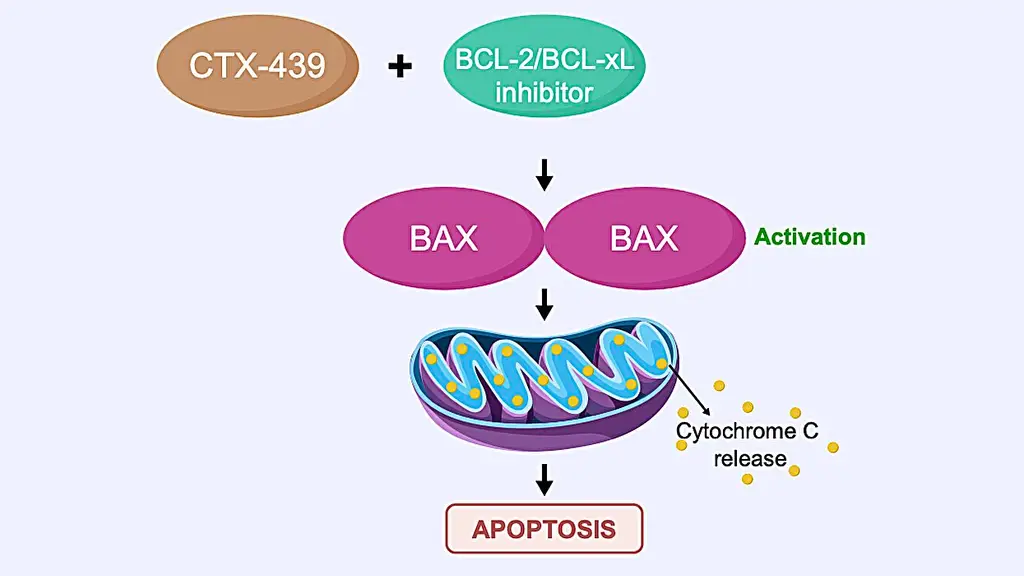
    The results were published November 25 in EMBO Molecular Medicine. Combined with a BCL-2/BCL-xL inhibitor, CTX-439 enhanced apoptosis compared with either drug alone.

    CTX-439 selectively inhibited the CDK12 and CDK13 kinases, which regulate gene transcription. This reduced transcription of genes involved in DNA repair and curbed cancer cell proliferation.

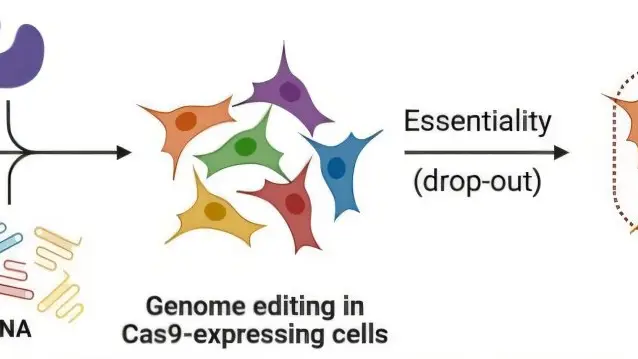
    Genetic screening identified BCL-2 and BCL-xL proteins as factors associated with cell resistance to CTX-439. These proteins suppress programmed cell death.

    After treatment with CTX-439, the MCL1 protein showed splicing abnormalities and transcriptional read-through beyond its usual termination site. MCL1 transcription increased in the nucleus and decreased in the cytoplasm.

    The researchers suggested that less mature messenger RNA (mRNA) reached the cytoplasm. This rapidly reduced MCL1 levels and increased cancer cells’ dependence on BCL-2 and BCL-xL.

    Analysis of RNA-sequencing data showed that CTX-439 impairs transcriptional elongation in long genes. At the same time, it promotes transcriptional read-through in short genes, including MCL1.

    It’s particularly interesting that we were able to resolve this apparent discrepancy by separately analyzing nuclear and cytoplasmic RNA

    Kosuke Yusa, corresponding author, Kyoto University

    The team plans to continue preclinical studies of how CTX-439 works and evaluate the combination therapy.