Medicine & Research

  1. Medicine & Research

    Only 6% of unvaccinated heart attack patients got flu shots in Swedish hospitals

    A study linked vaccination during hospitalization with lower mortality over the following year. Among patients who were not vaccinated, 85% were not offered a shot.

    Only 6% of unvaccinated heart attack patients got flu shots in Swedish hospitals
    Photo: Medical Xpress

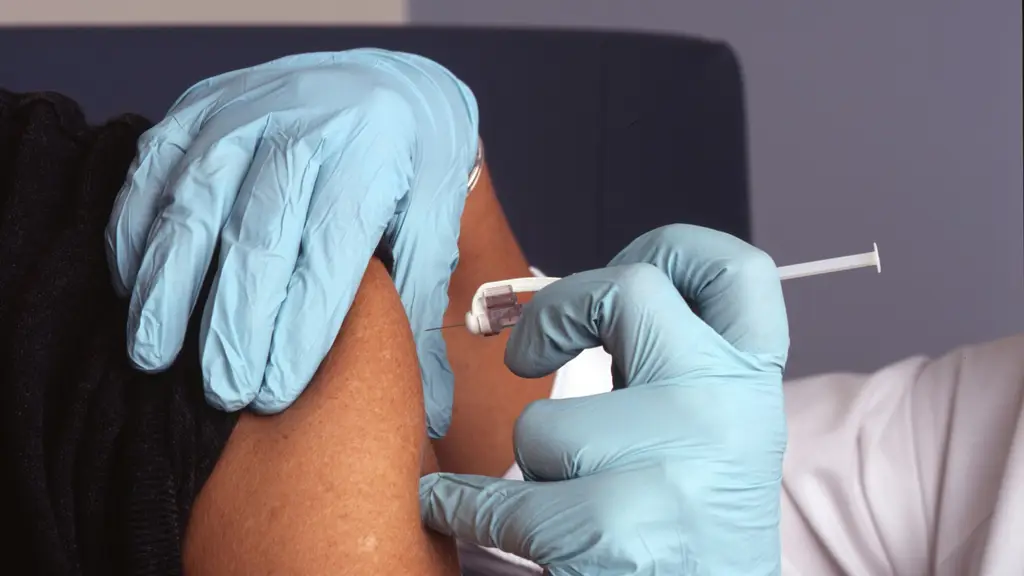
    Researchers analyzed data from more than 12,000 patients treated for heart attacks in Sweden during four flu seasons from 2021 to 2025. None had received that season’s vaccine before hospitalization, and 760 patients were vaccinated in the hospital — about 6%.

    Details were published by Medical Xpress.

    Among patients with similar risk factors, mortality over the following year was 2.7% for those who were vaccinated and 4.9% for those who were not. Vaccination was associated with lower mortality, but the findings do not prove that the shots caused the difference.

    The study was published in The Lancet Regional Health—Europe. It was a retrospective nationwide study based on data from the Swedish quality registry SWEDEHEART.

    Among patients who did not receive the vaccine, 85% were not offered one. A further 1.5% declined vaccination.

    Ole Frøbert of Örebro University Hospital and his colleagues urged cardiac units to check patients’ vaccination status and offer shots to those who have not yet been vaccinated.

    In an earlier international study led by Frøbert, vaccination during hospitalization after a heart attack reduced the risk of death over the following year by 41%.

    The vaccine should be given during hospitalization, before discharge; annual vaccination is recommended.

  2. Medicine & Research updated 23:54

    Researchers find lens cell activation markers during uveitis

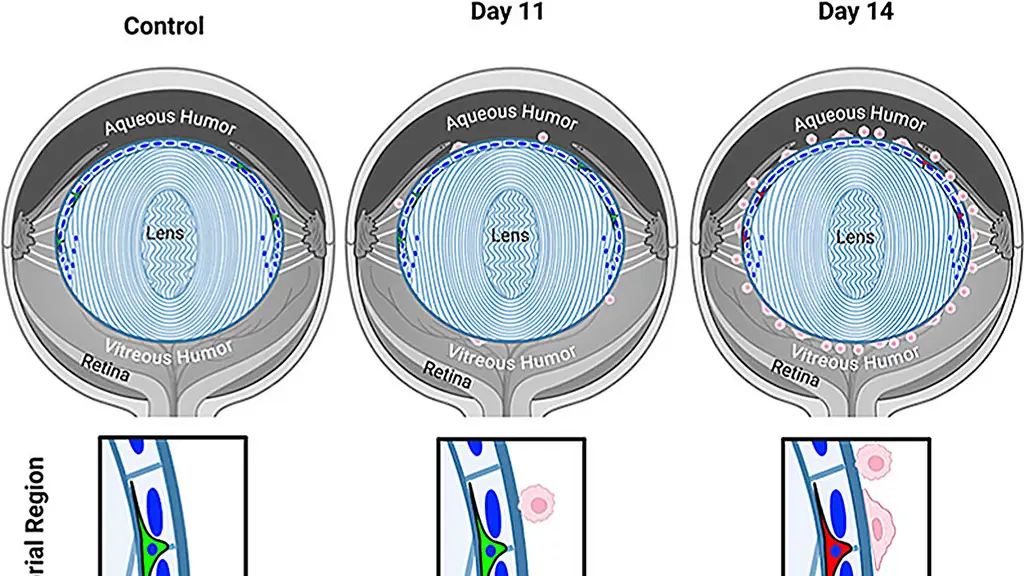
    Activation markers appeared in the ciliary body before inflammation was detected in the lens, while activation of resident immune cells coincided with peak uveitis.

    Researchers find lens cell activation markers during uveitis
    Photo: Medical Xpress

    In 2026, The American Journal of Pathology published a study led by Sue Menko on the eye’s early immune response after researchers induced experimental autoimmune uveitis.

    The report comes from Medical Xpress.

    Researchers found immune cell activation markers in the ciliary body, an eye structure, before detecting inflammation in the lens. Activation of the lens’s resident immune cells coincided with the peak of inflammation.

    Using immunolabeling, the team looked for signs of activation in immune cells that normally reside in the lens, as well as activity from other immune cells before clinical inflammation appeared.

    The findings suggest that resident immune cells in the lens may help regulate the immune response during uveitis.

    Uveitis is an inflammatory eye disease that can lead to blindness if it is not adequately treated.

    JodiRae DeDreu, a doctoral student at Thomas Jefferson University and the study’s first author, is investigating this link using a chick model.

  3. Medicine & Research updated 00:02

    Researchers test Lyra chatbot with 17 participants

    The program was connected to a smart scale, fitness tracker and food-tracking app.

    Researchers test Lyra chatbot with 17 participants
    Photo: Medical Xpress

    Researchers enrolled 17 people with obesity or overweight in the Lyra program. For eight weeks, participants received messages from the chatbot, and the study results were published in Annals of Behavioral Medicine.

    Medical Xpress reported the news.

    Lyra is an artificial intelligence-based program designed to offer lifestyle advice. The chatbot answered questions around the clock and suggested personalized meal plans.

    The system sent messages about diet and physical activity. It personalized some of them using data from connected devices and apps.

    The program was built around evidence-based protocols from Look AHEAD and the Diabetes Prevention Program. Lyra was also connected to a smart scale, fitness tracker and food-tracking app.

    According to the study results, 94% of participants were happy to have taken part and found the advice competent and engaging. Eighty-eight percent rated Lyra as very empathic, and 44% said they felt a surprisingly strong connection with the chatbot.

    This was a feasibility study, one of the first to assess the potential of AI-based lifestyle modification programs. The study’s first author, Evan Forman, executive director of Jefferson Health’s Primary Care Research Center, plans to conduct a full clinical trial with more participants.

    Other directions for future research include evaluating the chatbot for people taking weight-loss medications and combining human and chatbot support for participants with binge-eating episodes.

  4. Medicine & Research updated 23:54

    Meta-analysis finds lung side effects in one-third of patients on ADCs

    Severe lung toxicity affected 7% of patients in a review of 24 clinical trials.

    Meta-analysis finds lung side effects in one-third of patients on ADCs
    Photo: Medical Xpress

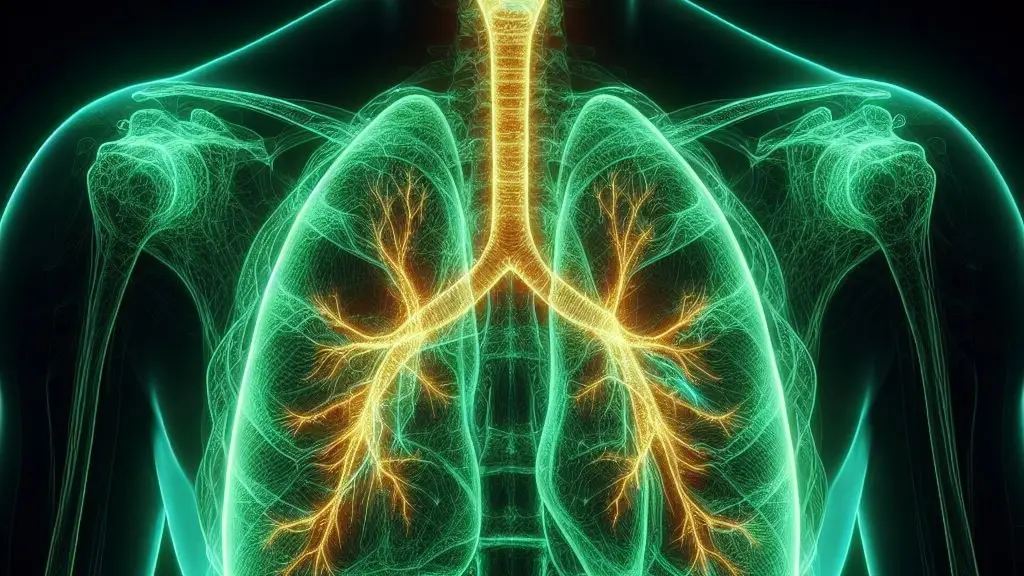
    Researchers at The Ohio State University led a systematic review of 24 clinical trials of antibody-drug conjugates (ADCs) for lung cancer. The review included more than 4,000 patients with small cell and non-small cell lung cancer; about one-third experienced lung-related side effects.

    Original report: Medical Xpress.

    Severe lung toxicity occurred in 7% of patients. Lung inflammation or disease was reported in 8%. These conditions led to treatment ending for more than 6% of patients, and nearly 2% died.

    The findings were published in the Journal of Thoracic Oncology.

    Lung toxicities overall were more common in small cell lung cancer. Lung inflammation was more frequent among patients with non-small cell lung cancer.

    ADCs deliver chemotherapy drugs more precisely to cancer cells. They are often used when cancer returns or does not respond to other treatments.

    Patients receiving these drugs are monitored for new symptoms, including cough and shortness of breath. If complications are suspected, clinicians order imaging and lung evaluations.

    Depending on the severity of complications and the drug involved, treatment may be paused, monitoring increased, symptoms treated, the dose adjusted or therapy stopped.

  5. Medicine & Research

    Health Ministry: 109,149 people fell ill with respiratory infections in a week

    Cases rose 4.4% from the previous week but remained below the level recorded during the same period last year.

    Health Ministry: 109,149 people fell ill with respiratory infections in a week
    Photo: Інтерфакс-Україна

    From November 16 to 22, 109,149 people in Ukraine fell ill with influenza, COVID-19 and other acute respiratory viral infections, the Ministry of Health of Ukraine said. That was 4.4% more than the previous week and 3.4% fewer than during the same period last year.

    This was reported by the news site “Інтерфакс-Україна”.

    Those who fell ill included 44,194 adults and 64,955 children. A total of 2,286 patients with acute respiratory viral infections were hospitalized, including 1,335 children. This accounted for 2.1% of reported cases.

    Six cases of influenza were confirmed by laboratory tests: five in Odesa and one in Kharkiv. Since the start of the epidemic season, influenza virus has been detected in 10 samples; all cases were influenza A.

    A further 265 COVID-19 cases were confirmed during the week, 82 more than the previous week. Overall, 827,069 people had fallen ill with acute respiratory viral infections from the start of the epidemic season on September 28 through November 22, 10.2% fewer than during the same period last year. Of these, 966 cases of COVID-19 were confirmed.

    The Health Ministry said that infection levels in all regions were within the baseline intensity range, with no signs of intense spread of respiratory infections.