Medicine & Research

  1. Medicine & Research updated 23:54

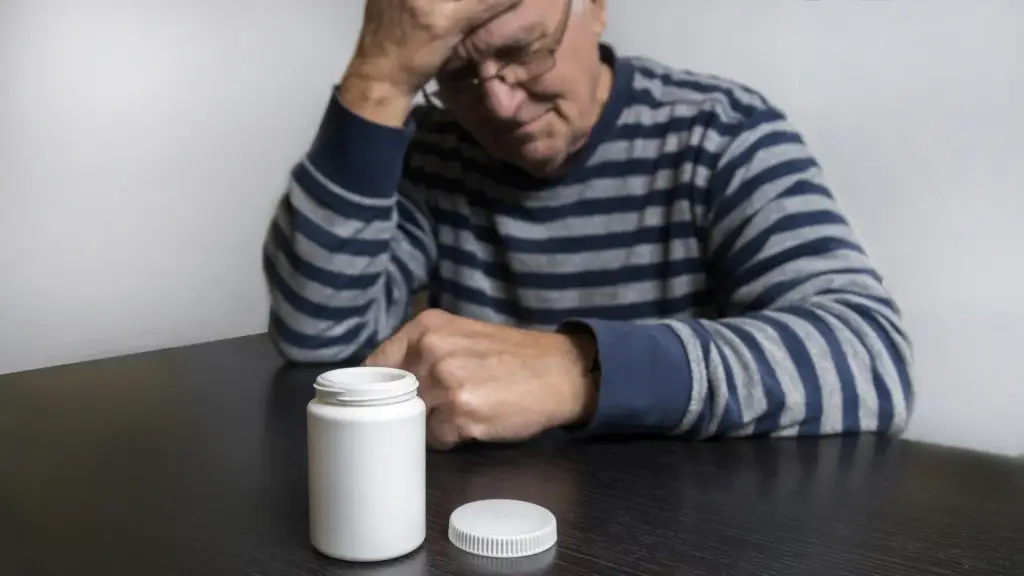
    Fewer older Americans with cognitive disorders take potentially inappropriate drugs

    Some of these medications may impair cognitive function, balance and coordination.

    Fewer older Americans with cognitive disorders take potentially inappropriate drugs
    Photo: ScienceDaily

    The share of independently living U.S. adults age 65 and older with cognitive disorders who took potentially inappropriate medications fell from 39.3% in 2011 to 29.3% in 2022. Researchers analyzed data from 2,796 people in this group.

    Details were published by ScienceDaily.

    The findings were published in the Journal of the American Geriatrics Society. The team used Medical Expenditure Panel Survey data representing about 29.7 million older Americans with cognitive disorders from 2011 to 2022.

    Researchers identified potentially risky drugs using the American Geriatrics Society’s Beers Criteria. They focused on medications that may pose added dangers for people diagnosed with cognitive disorders.

    These drugs include medications for anxiety and sleep disturbances, as well as some that act on the central nervous system. Study first author Haowen Hsu is a postdoctoral fellow in the Department of Pharmacy Practice at the University at Buffalo’s School of Pharmacy and Pharmaceutical Sciences. He said inappropriate use of these medications can be too much for older adults.

    The study did not determine what caused the decline in the share of people taking these drugs. Hsu said the change may reflect greater awareness among researchers and clinicians, along with broader efforts to improve prescription safety.

    The researchers stressed the importance of careful medication reviews during routine outpatient appointments. They also suggested using clinical assessment tools such as the Drug Burden Index in acute and outpatient care.

    Further research should determine whether optimizing medication use improves quality of life for people with cognitive disorders. Researchers should also assess whether it reduces hospital admissions and emergency room visits.


  2. Medicine & Research

    Salima hospital runs short of medicines as families pay out of pocket

    Internal reports from Malawi’s Central Medical Stores Trust show the availability of essential medicines fell to 40%, from 77% in early 2025.

    Salima hospital runs short of medicines as families pay out of pocket
    Photo: The Guardian

    Medical staff at Malawi’s Salima district hospital report shortages of essential medicines and medical supplies. The facility serves more than 500,000 people and is the district’s main emergency referral center. Staff say it has no intravenous fluids, while stocks of gloves, painkillers, catheter bags and bandages have run out.

    More details are available from The Guardian.

    At major hospitals, the availability of essential medicines fell as low as 18%.

    Maureen Msukwa, 25, who is pregnant, was waiting for a painkiller that the hospital pharmacy did not have. She was given a handwritten note telling her to buy paracetamol from a private vendor across the road.

    Selina Chombe, 52, was caring for her pregnant daughter-in-law on the hospital grounds. To treat an infection, she had to buy two vials of injectable antibiotics for 4,000 Malawian kwacha each, as well as gloves and painkillers.

    Malawi imports nearly 80% of its pharmaceutical and surgical supplies. A shortage of foreign exchange has left the Central Medical Stores Trust with about $18 million in unpaid debts to overseas suppliers, which have stopped new shipments until their invoices are paid.

    CMST spokesperson Herbert Chandilanga acknowledged that foreign-exchange constraints and delayed funding had disrupted supply chains. He said the trust had begun paying off its debts to suppliers and distributors to restore deliveries.

  3. Medicine & Research updated 23:54

    Rising glucose linked to worse memory in midlife

    Differences appeared even among participants without type 2 diabetes; MRI scans also found structural brain changes in those who developed the disease.

    Rising glucose linked to worse memory in midlife
    Photo: Medical Xpress

    Researchers analyzed data from nearly 3,000 participants in the Coronary Artery Risk Development in Young Adults (CARDIA) study, enrolled in four U.S. cities in 1985–1986. They were Black and white adults ages 18 to 30. Researchers compared changes in fasting glucose over about 30 years with cognitive function; results were published November 25 in the Journal of the American Heart Association.

    Medical Xpress has the details.

    Participants were grouped by lower-stable, moderate-stable and increasing glucose levels. Compared with the lower-stable group, those with increasing glucose and those who developed type 2 diabetes had worse results. They performed worse on tests of memory, processing speed, executive function and overall cognition.

    Some participants had magnetic resonance imaging (MRI) brain scans. Compared with the lower-stable glucose group, people with type 2 diabetes had less total gray matter and more abnormal white matter tissue. Other studies have linked greater amounts of abnormal white matter tissue with lower cognitive function.

    Senior study author Kristine Yaffe said future research should assess early monitoring and management of rising glucose levels. Researchers should determine whether these measures can prevent or delay cognitive decline and structural brain changes.

  4. Medicine & Research

    Researchers detect vascular changes after one vaping session

    Changes were also found after inhaling nicotine-free aerosol. The study assessed only immediate effects, not long-term consequences.

    Researchers detect vascular changes after one vaping session
    Photo: Medical Xpress

    A University of Pennsylvania study found changes in blood flow and oxygen levels after one session of smoking or vaping. It included 41 healthy people ages 20 to 50 who had smoked and/or vaped daily for more than a year. The control group consisted of 17 people ages 21 to 33 who had never smoked or vaped.

    Medical Xpress reported the news.

    Participants completed three separate sessions, with an MRI before and after one of three exposures in each session: smoking a tobacco cigarette, or inhaling vape aerosol with or without nicotine. Researchers assessed blood flow, oxygen levels, aortic stiffness, brain blood vessel responses, the brain’s oxygen use and carotid artery flexibility.

    Changes in blood flow and oxygen levels were found after all three exposures: smoking a cigarette and vaping with and without nicotine. The results suggest that the immediate effect on circulation is not linked solely to nicotine.

    Study lead author Marianne Nabbout, a radiology resident at the University of Arkansas for Medical Sciences, said vaping affected a greater number of markers than smoking.

    The researchers assessed only immediate effects. Studies that follow people over time are needed to determine whether temporary changes may contribute to lasting health problems. The results are due to be presented at the annual meeting of the Radiological Society of North America (RSNA).

  5. Medicine & Research

    Waitrose reports 124% rise in sales of Scottish oats

    A survey for the retailer’s annual report found that 64% of shoppers choose foods such as oats to stay fuller for longer.

    Waitrose reports 124% rise in sales of Scottish oats
    Photo: The Guardian

    Waitrose said sales of its Scottish Oats have climbed 124% this year, according to its annual report.

    The Guardian has the details.

    Just over 4,000 shoppers took part in the survey for the report.

    Worldpanel by Numerator found that about 2.6 million UK adults were using weight-loss medication in August, around 700,000 more than in February.

    Among respondents taking weight-loss medication, 88% said it had changed how they shopped. More than half were eating more protein, while a third were drinking less alcohol.

    On social media, “nature’s Ozempic” and “Oatzempic” are labels for foods promoted as alternatives to prescription weight-loss drugs. Waitrose also noted growing interest in porridge with savory toppings, including vegetables and chili oil.