Medicine & Research

  1. Medicine & Research

    Prominent Democrats back lowering Medicare eligibility age to 50

    The author argues that even incremental steps to expand coverage could carry hefty price tags and prompt fierce opposition from the health care industry.

    Prominent Democrats back lowering Medicare eligibility age to 50
    Photo: Axios

    Prominent Democrats in the U.S. Senate and House have backed bills to lower the Medicare eligibility age to 50. The proposals differ significantly.

    Axios published the report.

    They also support expanding health coverage for children and adding dental, vision and hearing benefits to Medicare.

    Independent Sen. Bernie Sanders of Vermont is set to chair the Senate Health Committee. He called for such a package.

    an immediate first step to Medicare for All.

    Bernie Sanders, Independent senator from Vermont

    House Democratic leader Hakeem Jeffries, who is poised to become speaker in January, suggested Democrats could reach a deal with Republicans on a package. President Trump said he may be open to working with Democrats.

    Democrats are divided over a single-payer system, with some moderates unwilling to eliminate private health insurance.

  2. Medicine & Research updated 23:56

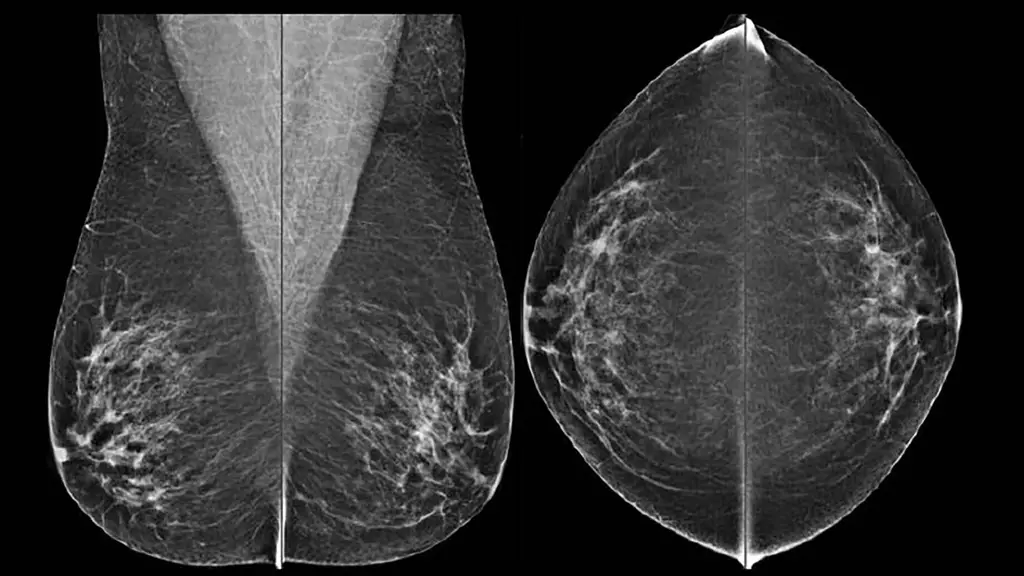
    Study links GLP-1 therapy to increased breast density in 62.5% of women

    After screening, 24 of 107 participants were called back for further evaluation. All four recommended biopsies had benign results.

    Study links GLP-1 therapy to increased breast density in 62.5% of women
    Photo: Medical Xpress

    Researchers analyzed mammograms from 107 women ages 34 to 79 who had received glucagon-like peptide-1 (GLP-1) receptor agonist therapy for weight loss for at least a year. The results were presented at the annual meeting of the Radiological Society of North America (RSNA).

    Details were published by Medical Xpress.

    The retrospective, longitudinal study compared each participant’s mammograms before treatment and after at least a year of therapy. Documented weight loss ranged from 2.7 to 48.5 kilograms, with an average of 18.1 kilograms.

    Automated assessment found that breast density increased by at least one category in 65 of 104 women (62.5%). Greater weight loss was associated with a larger increase in density.

    After screening, 24 of 107 participants (22.4%) were called back for further evaluation. The average screening recall rate in the U.S. is about 10%.

    Doctors recommended four biopsies, and all results were benign. The remaining cases were assessed as negative or benign.

    According to study author Eva C. Gombos, M.D., a diagnostic radiologist at Brigham and Women’s Hospital in Boston, disproportionate loss of breast fat may make fibroglandular tissue more visible on mammograms, even when its absolute volume decreases.

    Gombos said increased density after weight loss does not necessarily mean that fibroglandular tissue has increased in volume or that breast cancer risk has risen. The long-term risk implications of these changes remain uncertain and require further study.

    The authors advise women taking GLP-1 medications to continue routine breast cancer screening according to existing recommendations. Gombos also recommended telling breast imaging teams about use of these medications and significant weight loss.

  3. Medicine & Research

    Fertility treatment alone unlikely to reverse birth rate decline

    Review authors say treatment should be paired with infertility prevention, environmental protection and policies that help people start families.

    Fertility treatment alone unlikely to reverse birth rate decline
    Photo: Medical Xpress

    Authors of an international review published in Frontiers in Science concluded that fertility treatment alone is unlikely to reverse the global decline in birth rates.

    The report comes from Medical Xpress.

    If current trends continue, more than nine in 10 countries could have below-replacement fertility by 2100, the authors estimate. The rate is already below 2.1 children per woman in more than half of the world’s economies.

    The review links falling rates to social and economic factors that lead people to delay parenthood or have fewer children than they would like. These include housing and child care costs, economic insecurity, longer periods in education, career pressures and changing roles for men and women.

    Biological factors, including reproductive aging, also affect the ability to conceive. With age, the number and quality of eggs decline, as does sperm quality.

    The review identifies chemicals, air pollution and climate-related stress as environmental factors. The authors caution that much of the evidence on toxicants shows associations, but does not establish causation.

    Emerging technologies, including fertility preservation and automation in IVF laboratories, may improve care for individual patients. However, many remain experimental, costly or ethically complex.

    The review summarizes existing research rather than presenting new data. The authors call for reducing exposure to harmful environmental factors and ensuring fair access to treatment. They also emphasize supporting parents through policies on housing, child care and flexible work.

  4. Medicine & Research updated 00:02

    AI system sped up transfer of Alaska patient with a clot

    RapidAI flagged a possible large vessel blockage seconds after a scan. Local doctors contacted Anchorage before the radiologist’s official report was ready.

    AI system sped up transfer of Alaska patient with a clot
    Photo: STAT News

    In summer 2026, RapidAI flagged a possible large vessel occlusion on a CT scan of a patient at a hospital in Alaska’s interior. He was transferred to Providence Alaska Medical Center in Anchorage, where doctors removed the clot 4 hours and 23 minutes later.

    The information comes from STAT News.

    The alert arrived seconds after the scan was completed. The local team contacted Providence less than half an hour after the patient reached the emergency room — two minutes before the radiologist’s official report. Without the AI, transferring the patient and removing the clot would have taken at least an extra hour.

    The Alaska Stroke Coalition established a network of hospitals in 2023 to coordinate stroke care more quickly. RapidAI analyzes CT scans for signs of a large vessel occlusion and sends the results to local doctors and specialists in Anchorage.

    With funding from a family foundation, the coalition bought RapidAI for six additional hospitals in the state; the project cost about $450,000. Health systems agreed to report the network’s performance over the next three years.

    The program can produce false positives, so doctors review every alert. Analysis quality depends on the image, and a fuller assessment of blood flow requires CT perfusion imaging, which not all hospitals use.

    The coalition has not published research on the program’s impact on patient care. Early data point to an increase in thrombectomies in Alaska, which the program may have partly helped drive. At hospitals with catheterization labs, the time to start inserting a clot-retrieval device improved by about 30%.

  5. Medicine & Research updated 11:58

    Short walks improved some measures of blood sugar regulation

    But the study included only 30 people and lasted six weeks, so the long-term effects of this routine remain unknown.

    Short walks improved some measures of blood sugar regulation
    Photo: Pexels / Pixabay

    In a study of 30 adults, taking short walks throughout the day improved some measures of blood sugar regulation more than walking continuously for the same amount of time. The findings were published in the journal Obesity.

    This was reported by CNN.

    Participants were ages 18 to 45, had overweight or obesity, mostly led sedentary lives and sat for at least six hours a day.

    Participants were randomly assigned to two groups. Both were instructed to walk briskly for 45 minutes a day, five days a week, for six weeks.

    One group walked continuously, while the other took approximately five-minute walks every hour. In the second group, the proportion of time glucose stayed within the study’s target range — 70 to 140 milligrams per deciliter — increased. Participants in that group also had less fluctuation in glucose levels, and a laboratory test showed more efficient glucose clearance from the bloodstream.

    Dr. Leana Wen, an emergency physician and clinical associate professor at George Washington University, outlined limitations of the study. It included only 30 people, who were relatively young, and the intervention lasted six weeks.

    People with chronic diseases were excluded, so the findings cannot be directly applied to people with diabetes, heart disease or other medical conditions. Researchers also did not include a control group that continued sitting without adding exercise.

    Researchers did not control the timing or composition of participants’ meals during measurements, which can affect glucose levels. Wen said the study did not establish whether the observed changes were linked to a lower risk of diabetes or other long-term complications. Larger studies with more diverse groups and longer follow-up are needed to assess lasting clinical effects.

    The American Diabetes Association’s 2026 guidelines recommend that people with diabetes or at risk of developing it interrupt prolonged sitting at least every 30 minutes, Wen said. Breaks can include walking or other physical activity.