Medicine & Research

  1. Medicine & Research updated 00:02

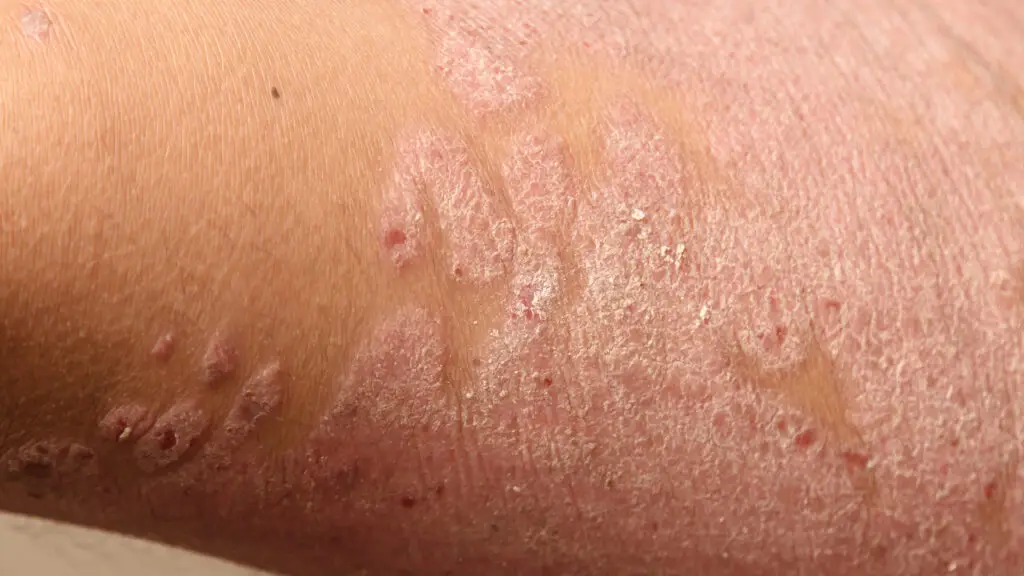
    Kymera reports 45% placebo-adjusted improvement in eczema severity

    After 16 weeks, 62% of patients on the middle dose had at least a 75% reduction in disease severity, compared with 22% on placebo, Kymera Therapeutics said.

    Kymera reports 45% placebo-adjusted improvement in eczema severity
    Photo: STAT News

    Kymera Therapeutics reported results Nov. 23 from its Phase 2 trial of KT-621 in patients with moderate-to-severe eczema.

    Original source — STAT News.

    Disease severity declined significantly compared with placebo at all three doses tested.

    After 16 weeks of treatment, at least a 75% reduction in disease severity was recorded in 62% of patients receiving the middle dose and 22% of those given placebo.

    The BROADEN2 trial met all primary and secondary endpoints, including itch reduction and the share of participants with clear or almost-clear skin.

    Kymera said KT-621 was generally safe and well tolerated.

    Conjunctivitis was the only side effect reported more often among patients taking the drug. It occurred in 20% of patients on the low dose, 13% on the middle dose and 11% on the high dose.

    All cases of conjunctivitis were mild or moderate and did not lead to treatment discontinuation.

  2. Medicine & Research

    Afrika Tikkun opens sensory room in a container in Orange Farm

    Program participants and their parents can book free sessions. The room also gives stressed adults a place to settle without putting their feelings into words.

    Afrika Tikkun opens sensory room in a container in Orange Farm
    Photo: Medical Xpress

    Nonprofit Afrika Tikkun opened a sensory room in a converted container in Orange Farm, a township south of Johannesburg, in April.

    This was reported by the news site Medical Xpress.

    The room has a pool filled with plastic balls, a hammock, mirrors, different fabrics and lights. Afrika Tikkun’s records show that 450 schoolchildren ages 6 to 18, 67 young adults and 56 parents and caregivers have used the space.

    Tegan White, an occupational therapist with the program, says textures, lights, sounds and movement help visitors explore sensations and regulate their responses. Adults under stress can use the room to settle without having to explain how they feel, she says.

    Therapy is absolutely essential. Having access to ongoing intervention is important.

    Tegan White, occupational therapist with the program

    Annelize Kruger, an independent occupational therapy lecturer at the University of the Free State, says sensory rooms can help children and adults manage distress, although research on the subject remains limited. She distinguishes spending time in a sensory room from clinical sensory integration therapy, which involves individually tailored activities guided by an occupational therapist.

    Staff run sessions for groups of up to 5 people, each lasting less than 30 minutes. Afrika Tikkun has opened another sensory space in Cape Town and hopes to expand the program.

  3. Medicine & Research

    Harriet Davies describes severe reaction to antibiotics

    After her condition worsened, she needed emergency antibiotics to prevent sepsis.

    Harriet Davies describes severe reaction to antibiotics
    Photo: BBC News

    Harriet Davies, 37, from Cardiff, developed appendicitis in January while skiing in France. After surgery and treatment, she returned home, but the pain continued.

    Details were published by BBC News.

    When she went back to hospital, a scan found an abscess in her abdomen. She was given antibiotics, but her condition worsened, with a fever and vomiting, so doctors changed her medication.

    Davies said the antibiotics were working, but her lips became sore and she developed a rash. After she got a fever, a blood test showed, she said, that her immune system had completely crashed.

    She also said the type of white blood cell that protects against infection had almost disappeared. Davies then returned to hospital, where she was given emergency antibiotics to prevent sepsis.

    Davies said the antibiotics ultimately saved her life, but also made her seriously ill. She said they should now be used only when they are really needed.

    Davies and Public Health Wales (PHW) are urging people to be aware of the dangers of antimicrobial resistance. It occurs when bacteria do not respond to medicines designed to treat them, making infections harder to treat.

    The issue is being highlighted during World Antimicrobial Resistance Awareness Week, which runs until November 24.

    Dr. Nicholas Reid, a consultant antimicrobial pharmacist at Public Health Wales, said anyone could get an antibiotic-resistant infection. It is not limited to people who take antibiotics often.

    Reid said that when antibiotics do not work as expected, people may need alternative treatments or a longer hospital stay. He added that keeping antibiotics effective matters for treating infections, as well as for surgery and cancer care.

  4. Medicine & Research

    Authors urge chemical safety checks for food packaging

    Packaging chosen solely for environmental performance may still expose consumers to chemicals that migrate into food, the authors warn.

    Authors urge chemical safety checks for food packaging
    Photo: Medical Xpress

    In an article published November 23 in npj Science of Food, Justin Boucher and his co-authors outlined shortcomings in criteria used to assess the sustainability of food packaging and foodware. They estimate that more than 15,000 chemicals may be used to make food-contact materials or be present in them, including at least 1,222 known to be hazardous to human health.

    More details are available from Medical Xpress.

    The authors say sustainability criteria are still applied inconsistently in research, policymaking and business. Packaging choices often focus on individual measures, such as carbon emissions or water use, without considering the broader food system. This can leave health risks from chemicals out of the assessment.

    Thousands of substances that were not intentionally added may enter packaging during manufacturing, use or recycling. They are often difficult or impossible to identify, complicating safety assessments.

    The article discusses approaches used in the open-access Understanding Packaging (UP) Scorecard. It combines assessments of chemicals and material properties with measures of climate and water impacts, plastic pollution, sourcing and recoverability. The authors say this can help compare different impacts and reduce the risk of regrettable substitutions.

    The UP Scorecard assessment draws on the Food Contact Chemicals Priority (FCCprio) List. It checks whether listed chemicals are intentionally used in packaging or foodware. The chemicals are divided into four priority tiers according to the likelihood of human exposure.

    The highest tier includes chemicals detected through human biomonitoring and known to migrate from materials into food. The assessment also considers material type, the food’s physicochemical properties and storage conditions.

    Dorota Napierska of Zero Waste Europe recommended using the UP Scorecard to support a shift away from single-use packaging and the selection of safe, sustainable alternatives.

  5. Medicine & Research updated 23:58

    Nearly 20 million U.S. adults projected to live with stroke by 2050

    The annual economic burden of stroke in the U.S. could also increase more than fivefold, reaching nearly $423 billion.

    Nearly 20 million U.S. adults projected to live with stroke by 2050
    Photo: Medical Xpress

    A scientific statement from the American Heart Association projects that nearly 20 million U.S. adults will be living after a stroke by 2050. That is almost twice the number as of November 23.

    The information comes from Medical Xpress.

    The statement was published in the journal Stroke. It also estimates annual economic costs, including health care, lost productivity and lost earnings due to premature death.

    Adults ages 20 to 44 are projected to see the largest relative increase in the number of people living after a stroke. Annual costs for this group could rise more than tenfold, from $7.9 billion to $84.4 billion. Adults ages 45 to 64 are expected to account for the largest share of costs, at about $142 billion a year.

    The number of people living after a stroke is projected to grow fastest among Asian and Hispanic adults. Among young adults, it could more than quadruple among Hispanic people and increase more than sixfold among Asian people.

    Black, American Indian and Alaska Native, and multiracial adults are projected to continue having the highest stroke prevalence. People with lower incomes, less formal education or no health insurance are also expected to remain disproportionately affected.

    Women are projected to continue making up a larger share of people living after a stroke. By 2050, an estimated 10.4 million women and 9 million men will be living after a stroke. The statement partly attributes the difference to women’s longer life expectancy and other risk factors.

    The total annual economic burden could rise from about $65 billion to nearly $423 billion. The cost per person living after a stroke could nearly triple.

    Hugo J. Aparicio, chair of the statement writing group, cited an aging population, more people surviving heart attacks and better care after stroke among the factors behind the projections. More advanced diagnostic methods, treatments and rehabilitation could also increase costs, he said.

    Aparicio said wider use of treatments for obesity, diabetes and other metabolic conditions could lower future stroke risk. The statement also says health systems and policymakers can expand access to prevention, emergency care, rehabilitation, medications and health insurance.