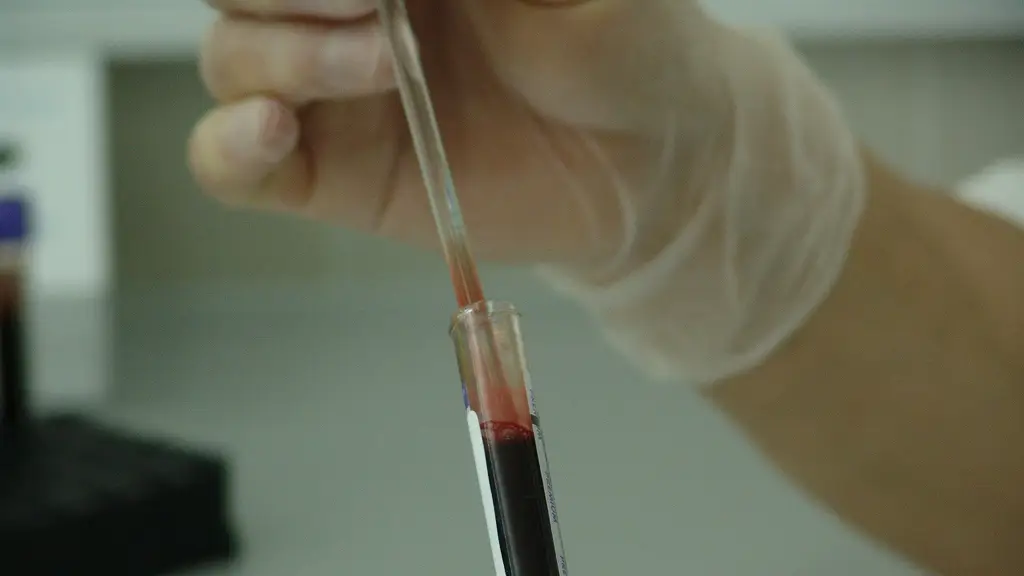
In a study published in Signal Transduction and Targeted Therapy, researchers analyzed blood samples from 81 patients newly diagnosed with chronic myeloid leukemia (CML). The study covered two clinical trials.
Original report: Medical Xpress.
Samples were collected before the first dose, then one hour after dasatinib or three hours after nilotinib. The measurements helped a model predict the number of leukemia cells in the blood 12 months later.
Using mass cytometry, the team measured more than 40 proteins in each cell and identified 37 types of blood and immune cells. In total, the researchers analyzed 44 million cells from patients and healthy volunteers.
A machine-learning model combined the measurements into individual profiles. They predicted how much leukemia would remain in the blood after 12 months. Their predictive accuracy was at least as good as, and in some cases better than, the risk score doctors use at diagnosis.
Today, patients and doctors have to wait months to learn whether a treatment is working. Our results show that important clues are already in the blood within hours of the first tablet.
Stein-Erik Gullaksen, researcher who led the work
For dasatinib, the amount of leukemia at the start and the activity of T cells and natural killer cells were linked to the predictions. For nilotinib, survival and cell-death signals in rare stem-cell-like leukemia cells were important.
The findings provide the scientific basis for the upcoming SWITCH clinical trial in Bergen. It will test whether early single-cell analysis can be used to guide drug choice in real time. The researchers say the method first needs to be confirmed in larger, independent patient groups.