Medicine & Research

  1. Medicine & Research

    AFP: Brazil records first mpox death this year

    The country confirmed 1,009 infections. Most cases were reported in the states of Sao Paulo and Rio de Janeiro.

    AFP: Brazil records first mpox death this year
    Photo: Medical Xpress

    Medical Xpress carried an AFP report on Brazil’s first mpox death this year, citing a report from the Fiocruz Institute. The death occurred in Rio de Janeiro, and Brazil confirmed 1,009 infections this year. AFP did not give the exact date of the death.

    The information comes from Medical Xpress.

    Rio de Janeiro recorded twice as many positive cases from September to November as during the rest of the year.

    The government has increased surveillance of the virus and bought 25,000 new doses of an mpox vaccine. Fiocruz said officials do not consider the rise in cases an outbreak because the number is far below the historic peak in 2022.

    Most cases this year were reported in Sao Paulo and Rio de Janeiro. They are two of Brazil’s three most populous states, in a country of 214 million people.

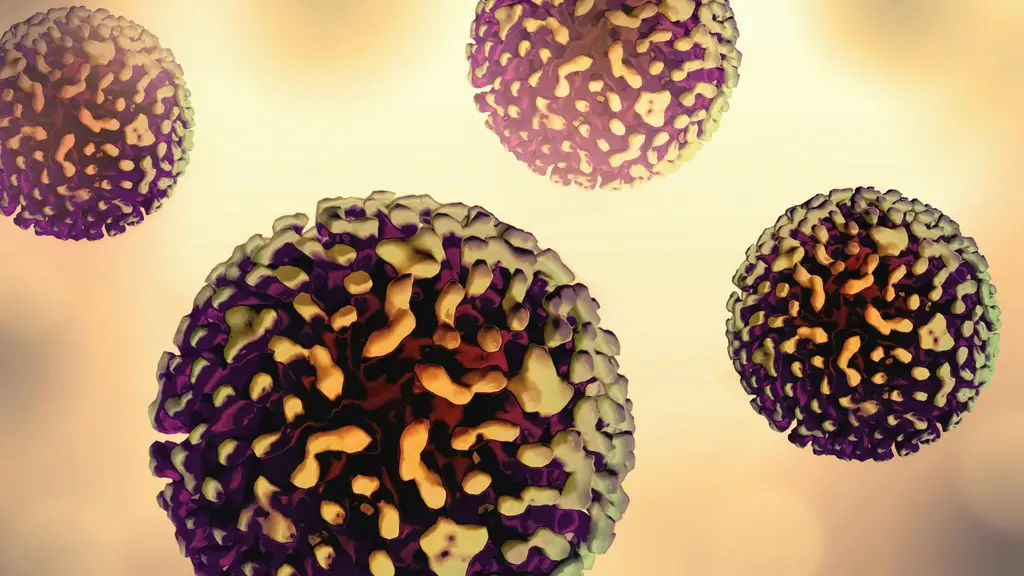
    The virus that causes mpox belongs to the same family as the smallpox virus. The disease can cause fever, muscle aches and large, boil-like skin lesions. It can spread from animals to people and between people through close physical contact.

    The World Health Organization declared mpox a public health emergency of international concern in 2022 and 2024, amid the disease’s rapid spread in some countries.


  2. Medicine & Research updated 23:59

    Researcher links brain energy adaptation to fragmented perception in schizophrenia

    To test the model, the researcher proposes measuring brain waves and metabolism together while participants listen to 40-Hz sounds.

    Researcher links brain energy adaptation to fragmented perception in schizophrenia
    Photo: Medical Xpress

    Researcher Mário Jorge Cunha proposed a theoretical model linking the brain’s energy adaptation to changes in perception in schizophrenia. A November 15 Medical Xpress report covered his paper in Neuroscience & Biobehavioral Reviews. Where the model was developed is unknown.

    Medical Xpress reported the news.

    The model draws on cell studies, metabolic and functional imaging, and recordings of electrical brain activity. Cunha suggests that cells usually produce enough energy but may not increase production quickly enough as demand rises.

    To test the hypothesis, Cunha proposed combining electroencephalography (EEG) with functional positron emission tomography (fPET). Participants would listen to rhythmic 40-Hz sounds at low, medium and high levels of demand. The measurements are intended to show how energy processes and brain-wave synchronization change.

    Cunha said the hypothesis would be disproven if future clinical trials found normal scaling of energy production and brain-wave activity in schizophrenia. The model still needs testing in small pilot studies with volunteers or through laboratory simulations.

  3. Medicine & Research updated 23:59

    Berkeley researchers say AI finds heart-stopping risk signal in EKGs

    Researchers say an algorithm trained on more than 440,000 electrocardiograms flags a higher-risk group than standard tests do.

    Berkeley researchers say AI finds heart-stopping risk signal in EKGs
    Photo: ScienceDaily

    University of California, Berkeley researchers used artificial intelligence (AI) to find a previously overlooked signal in routine electrocardiograms (EKGs). It may help doctors identify people at risk of sudden cardiac arrest before it strikes. The results were published in Nature.

    Source: ScienceDaily.

    The algorithm was trained on more than 440,000 EKGs collected in Sweden, which the team matched with death certificates. The authors say doctors’ traditional measures identify a group with an annual sudden cardiac death rate of 4.6%. The AI system identified a group with an annual death rate of 7%.

    Medical decisions are really hard, and I think that’s why AI is so exciting for me. We can not only make better decisions, but also start to understand what’s actually going on with these patients before their heart stops.

    Ziad Obermeyer, associate professor at the UC Berkeley School of Public Health and lead author of the study

    The researchers tested the tool on data from San Diego and Taipei. Obermeyer said the algorithm works with ordinary EKGs that hospitals already record routinely, so it could improve screening without a new type of test.

    The algorithm also flagged a broader group at elevated risk, including thousands of patients whom current medical guidelines would not consider dangerous. Most of them would have been classed as low risk under conventional methods.

    Current screening relies mainly on how much blood the heart pumps with each contraction. That measure guides whether a patient should receive an implanted defibrillator, but it usually requires an extensive test that many people never undergo.

    Sudden cardiac arrest differs from a heart attack. It happens when the electrical signals that coordinate the heartbeat fail. More than 300,000 people die from it in the United States each year.

    The researchers plan to work with medical systems in Sweden, Taiwan and the United States to scan existing EKGs for signs of elevated risk. Doctors would offer high-risk patients a patch that continuously records the heart’s electrical activity.

  4. Medicine & Research

    NHS England set to miss cancer treatment target for 10,000 patients

    Experts warn that nearly 10,000 patients in England will not be treated on time. They blame shortages of staff, equipment and leadership.

    NHS England set to miss cancer treatment target for 10,000 patients
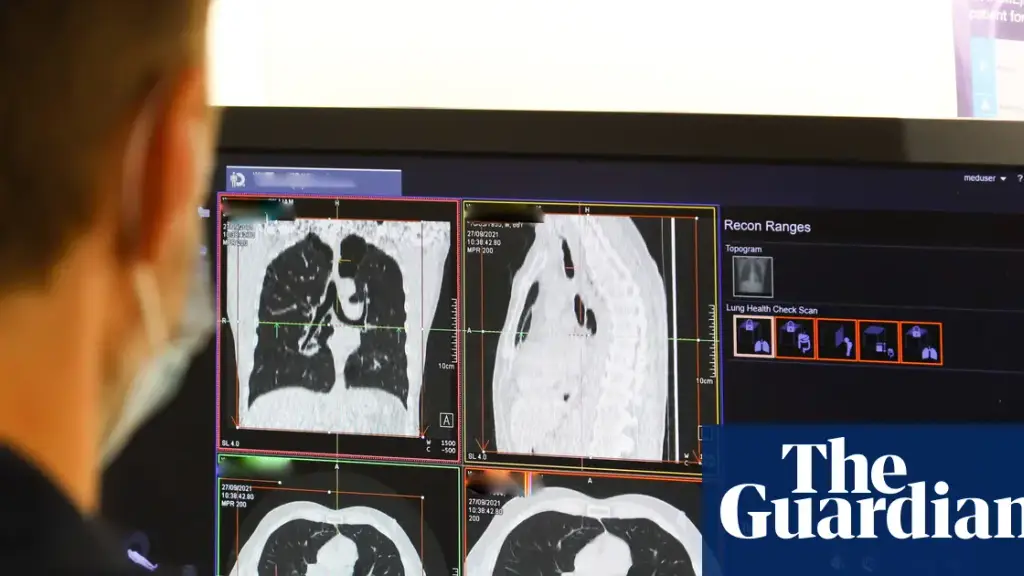
    Photo: The Guardian

    According to The Guardian, 70.7% of cancer patients in England started treatment on time in September 2026, down from 71.9% in August. The NHS interim target is 80% by March 2027. The newspaper received the data from an exclusive analysis of official NHS statistics.

    Details were published by The Guardian.

    Radiotherapy UK, a charity, calculates that about 24,400 cancer patients a month would need to start treatment on time to meet the target. The NHS is treating about 21,500. The monthly shortfall is 2,850 patients, and the cumulative shortfall is 9,490.

    Regional and cancer-type gaps are also wide. In the Midlands, 66.6% of patients were treated on time, compared with 77.3% in London. Lung cancer patients were treated on time in 60.9% of cases, and head and neck cancer patients in 56.5%.

    The government is going to miss its cancer treatment target because the NHS does not have enough staff or equipment to treat the number of patients coming through its doors. This lack of leadership means thousands more people could die because they don’t get their treatment on time.

    Pat Price, chair of Radiotherapy UK and a leading oncologist

    Cancer Research UK reports that over the past year, only 55.4% of patients were diagnosed within 28 days of an urgent referral, against a standard of 80%. Naser Turabi, the charity’s director of health policy and evidence, said urgent referrals in England have risen about 20% in four years.

    Hospital capacity is not able to keep pace with surging demand for cancer diagnosis.

    Naser Turabi, director of health policy and evidence, Cancer Research UK

    Stephen Harden, president of the Royal College of Radiologists, said a chronic shortage of clinical radiologists and clinical oncologists is causing dangerous delays. He noted that NHS hiring freezes for these doctors doubled over the past year.

    The Department of Health and Social Care said cancer waiting times are improving, with all three cancer standards better than a year ago. It said around 290,000 more people were diagnosed on time or had cancer ruled out over the past year. The department also pointed to a national cancer plan.

  5. Medicine & Research updated 23:59

    Researchers reduce hepatitis B antigen in cell cultures using RNA interference

    Drugs block the virus's replication, but its DNA may persist in liver cells. Researchers are testing RNA interference as an add-on to treatment.

    Researchers reduce hepatitis B antigen in cell cultures using RNA interference
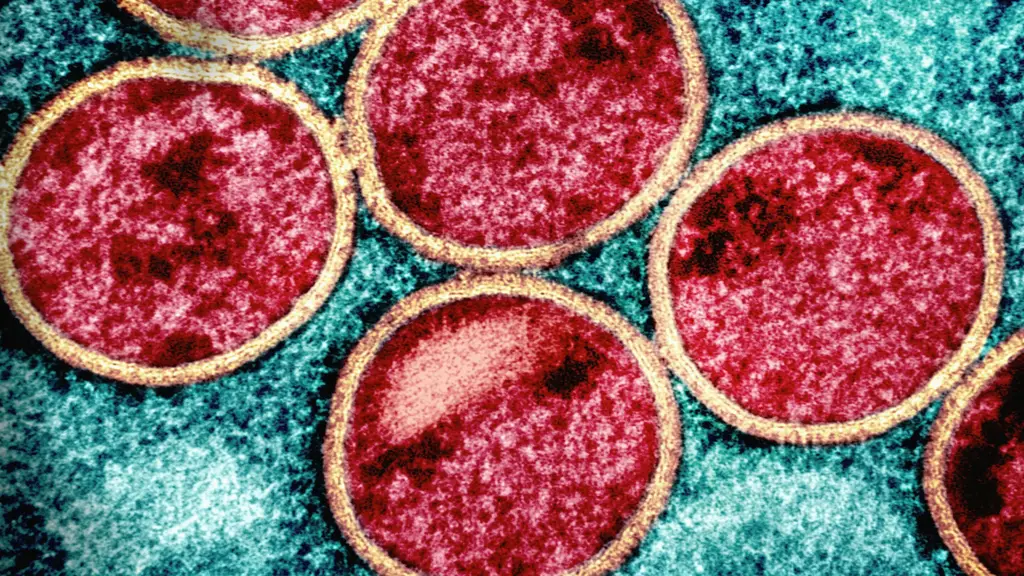
    Photo: Medical Xpress

    On November 14, Medical Xpress republished an article from The Conversation in which researchers describe testing RNA interference in liver cell cultures. The approach can reduce levels of HBsAg, the surface antigen of the hepatitis B virus.

    Medical Xpress reported the news.

    Drugs such as tenofovir and entecavir block the virus’s replication and lower its amount in the blood. According to the authors, however, this does not mean full removal, since stable forms of viral DNA, including cccDNA, can persist in liver cells.

    RNA interference uses small RNA molecules that find and destroy the virus’s messenger RNA before it can drive protein production. In the lab, one of the tested candidates showed the most promising results and lowered HBsAg levels in cell cultures.

    The authors stress that the result is preliminary. The model reproduces viral protein production but not every stage of natural infection, so it still needs to be checked whether the effect lasts longer and appears in more complex models.

    The next steps, in collaboration with KU Leuven in Belgium, include testing in cell models closer to natural infection and in hamsters. The researchers say RNA interference is unlikely to clear all viral reservoirs on its own but could help control the disease over the long term alongside existing drugs. Trials in patients are years away, they add.

    In Brazil, the hepatitis B vaccine has been free in the Unified Health System and available to people of all ages since 2016. Still, some people, particularly in the Amazon and the North Region, have difficulty accessing medical services.