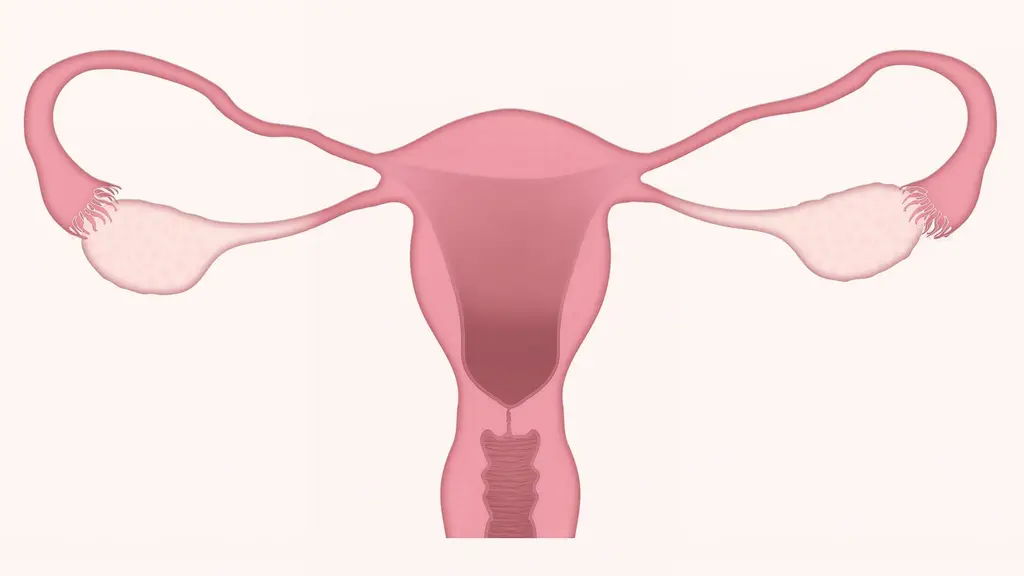
Researchers at the University of Arizona Cancer Center found that Native American and Hispanic women were diagnosed with endometrial cancer at younger ages than women in other racial and ethnic groups. They reviewed records for 261 women who had gynecologic surgery at Banner—University Medical Center Phoenix in Phoenix from 2016 to 2021. A total of 168 patients had endometrial cancer.
The story was published by the news site Medical Xpress.
The average age at diagnosis was 49.8 for Native American patients and 62 for white patients. For Hispanic patients, it was 53.7, compared with 61.6 for non-Hispanic patients.
The findings were published in Cancer Medicine. The study’s lead author, Melissa Herbst-Kralovetz, is a professor of basic medical sciences at the University of Arizona College of Medicine—Phoenix. She said the results of the retrospective study need to be confirmed in larger groups.
According to the American Cancer Society, endometrial cancer incidence in the United States rose by 1.8% to 2.6% annually from 2013 to 2022. The society says recent trends suggest some stabilization, with about 68,270 new cases a year.
In the study, 45% of Native American women and 21% of Hispanic women had diabetes. Herbst-Kralovetz said obesity and diabetes may contribute to abnormal growth of the uterine lining. She emphasized that environmental, biological and social factors also need to be considered to explain the disparities.
The researchers used the Arizona Social Vulnerability Index, which is based on census data. Patients with cancer were more likely to live in areas with housing and transportation challenges, lack access to a vehicle and live in crowded homes.
Herbst-Kralovetz’s lab is developing a simple, less invasive test to detect endometrial cancer without a tissue biopsy. She aims to make testing more accessible through primary care, especially for women in rural and underserved communities. She also hopes to secure investment to validate the test and build partnerships with rural health care providers.