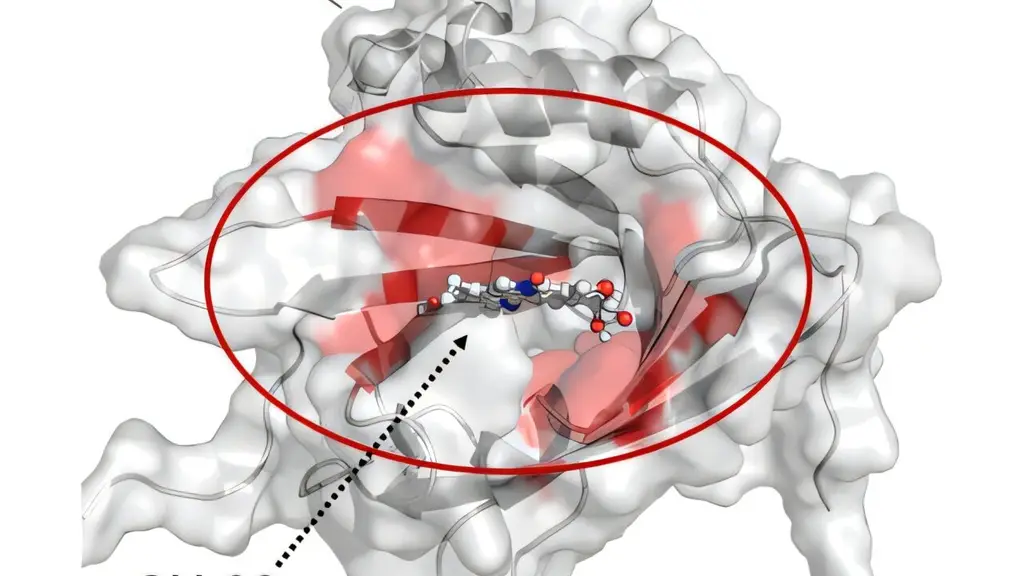
Researchers at Osaka Metropolitan University modified the L-PGDS protein to use it as a carrier for the anticancer drug SN-38. The M94W-M145W variant had about fourfold higher binding affinity for SN-38 than conventional L-PGDS, Professor Takashi Inui said.
This was reported by the news site Medical Xpress.
Computer simulations helped the team identify two amino acids in the protein’s binding pocket that could be changed to improve drug retention. The researchers suggest that keeping SN-38 bound for longer could increase the likelihood of its accumulating in tumors.
SN-38 is a metabolite used in chemotherapy for breast and colorectal tumors. It targets topoisomerase I, an enzyme that temporarily cuts DNA during replication and then repairs it. SN-38 disrupts this process and causes DNA damage.
This approach may also contribute to the development of new drug delivery systems for other poorly water-soluble drugs, not just SN-38.
Takashi Inui, Professor at Osaka Metropolitan University
The findings were published in the journal International Journal of Biological Macromolecules.