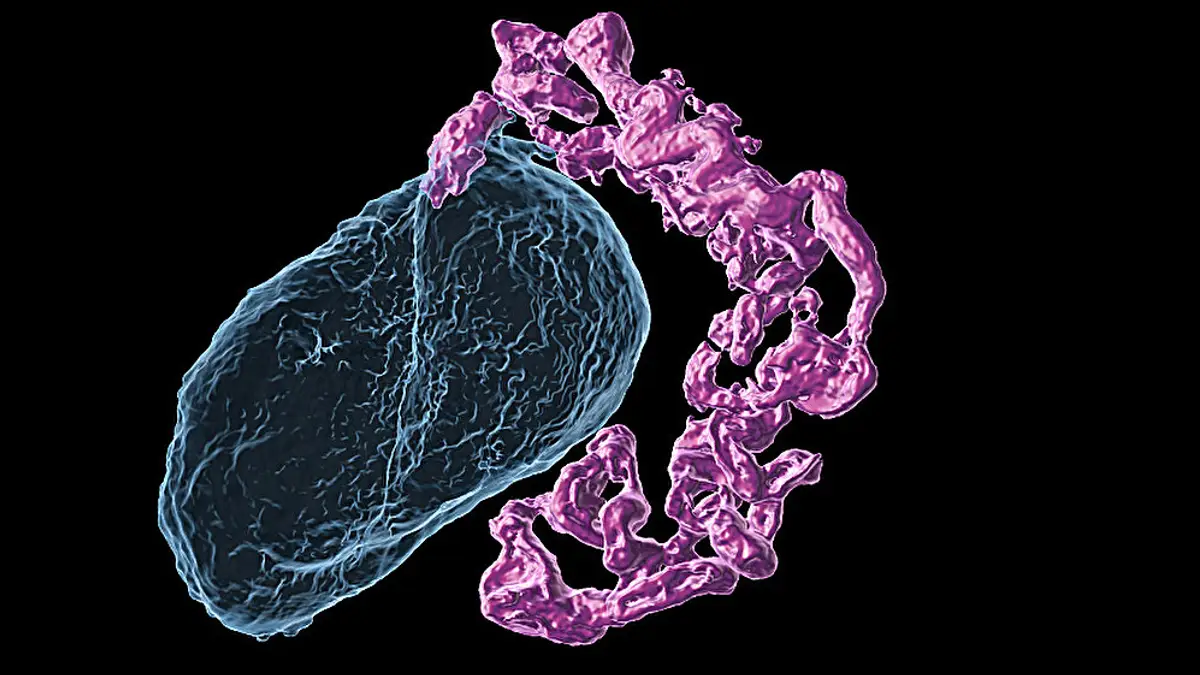
A team at the University of Geneva in Switzerland found that ovarian granulosa cells have two origins. The study analyzed nearly 200,000 human and mouse cells, and its findings were published November 26 in the Proceedings of the National Academy of Sciences (PNAS).
Medical Xpress has the details.
The researchers found that cells that develop into the rete ovarii also contribute to the formation of follicular cells. They used cell tracing, microscopy and bioinformatics to reach the finding.
The ovarian surface was previously known as a source of granulosa cells. Its cells form several regions and already show signs of specialization: some give rise to granulosa cells, while others form the stroma, the ovary’s supporting tissue. Granulosa cells surround oocytes in follicles and support their development.
The researchers found a similar early organization of cells in humans. They say this suggests that the mechanisms behind the formation of different ovarian cell types are similar in mice and humans.
The rete ovarii was described in 1870, but later came to be regarded mainly as a remnant of embryonic development. Its male counterpart, the rete testis, has a known role in transporting sperm.
Study leader Serge Nef said some ovarian cancer cells express the PAX8 gene, which is also expressed in cells of the rete ovarii. The team plans to study the structure in adult women and investigate its possible link to ovarian cancer in a project with Professor Intidhar Labidi-Galy.
The authors say the discovery could open new avenues for research into fertility, ovarian developmental disorders and some gynecological cancers.