From 2015 through 2024, a team led by Boston Children’s Hospital researchers analyzed blood tests from 600 children evaluated at eight emergency departments in U.S. regions where Ixodes ticks are common. The findings were published in Clinical Infectious Diseases.
Medical Xpress has the details.
Antibodies indicating a recent Powassan virus infection were found in 26 of 305 children with early Lyme disease, or 8.5%. In the comparison group, 2 of 295 children with similar symptoms and negative Lyme tests had the antibodies, or 0.7%.
After adjustment for factors that could have affected the results, the odds of a positive antibody test were five times higher among children with Lyme disease than among children with similar symptoms who tested negative for Lyme.
The groups were matched by age, sex, location and symptoms. The participants’ median age was 9.
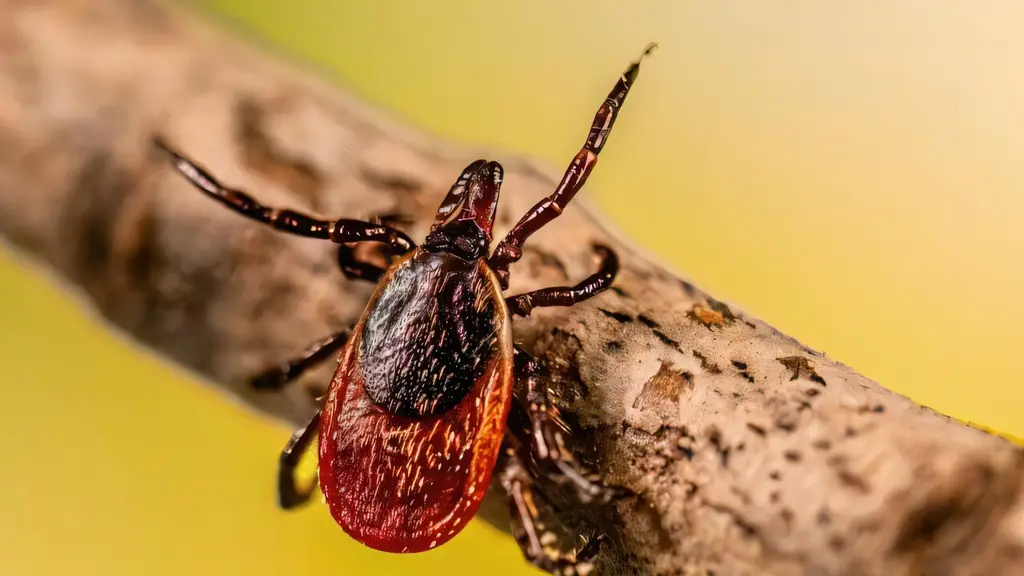
Powassan virus is carried by the same blacklegged Ixodes ticks that transmit Lyme disease. It can be transmitted within 15 minutes of a tick attaching, while Lyme disease transmission requires the tick to remain attached for at least 24 hours.
Other rashes may have been mistaken for the characteristic Lyme disease rash. Lyme blood tests may miss early infections or detect antibodies from a past infection.
Some Powassan virus tests can produce false-positive results. Researchers collected samples only at the start of the study, so they could not track changes in antibody levels over time.
The authors suggest considering Powassan testing in children with suspected Lyme disease, particularly if they have unusual symptoms or respond slowly to treatment. They also call for faster, more accurate tests that can detect the virus during the early, acute phase of infection.