Technology

  1. Technology

    Paradromics to use Nvidia technology to process brain data

    The partnership aims to reduce the external equipment needed for speech decoding and make the systems more portable.

    Paradromics to use Nvidia technology to process brain data
    Photo: Wired

    Austin-based Paradromics announced a partnership with Nvidia to use the company’s hardware and software to process neural data.

    The story was published by the news site Wired.

    Paradromics plans to use Nvidia’s Jetson computing module to decode speech in a compact device near the user. It will also use Holoscan, Nvidia’s software for low-latency sensor data processing.

    The Paradromics implant records neural signals through more than 400 embedded electrodes. AI analyzes the signals, and a computer displays the resulting words on a screen and speaks them aloud.

    Processing the signals currently requires a cart of electronics plugged into an outlet. Within a year, it is expected to become a small unit that can sit on a wheelchair. Paradromics founder and CEO Matt Angle said the electronics could eventually fit in a phone.

    Holoscan is intended to help combine neural signals with data from other sensors, including cameras and microphones. David Niewolny, Nvidia’s director of business development for health care and medical, said AI must continually adapt as a user’s neural signals change.

    Paradromics will also be able to integrate Nvidia foundation models into its brain-computer interface. The models could make synthesized voices more expressive and natural, said Vikash Gilja, Paradromics’ chief scientific officer. Running them locally on Nvidia hardware would mean users do not need an internet connection.

    Niewolny also said Nvidia will not have access to brain data through these partnerships.
  2. Technology

    GrapheneOS demos encrypted RCS messaging app prototype

    The prototype must support SMS and MMS before it can join the built-in app; its first version will depend on Google Play services.

    GrapheneOS demos encrypted RCS messaging app prototype
    Photo: Notebookcheck

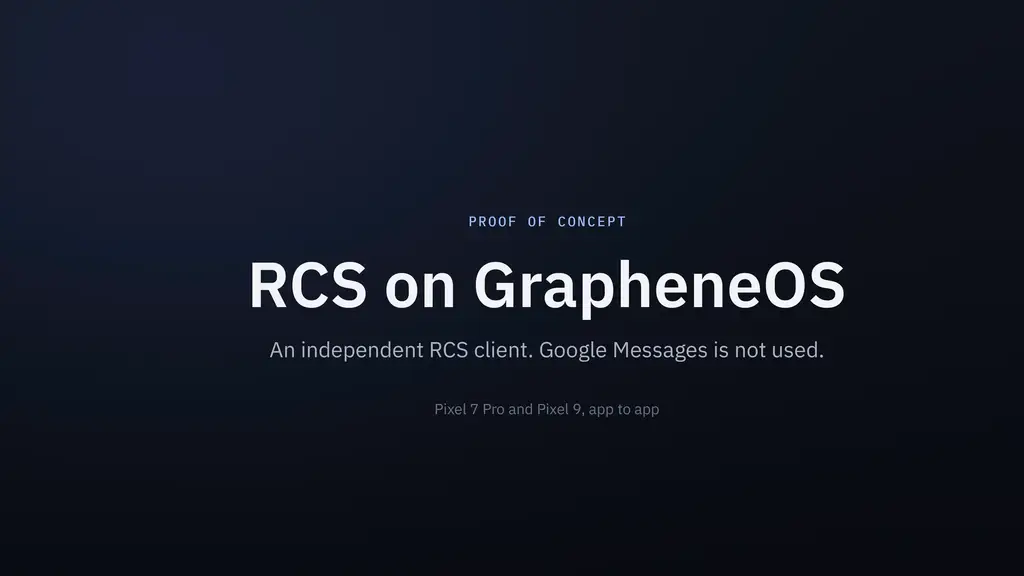
    GrapheneOS demonstrated the prototype on a Pixel 7 Pro and a Pixel 9 running its operating system. It sends end-to-end encrypted texts and images without Google Messages.

    Details were published by Notebookcheck.

    During the demo, the phones exchanged texts and an image, and users could react to messages. The video also shows typing indicators and delivery or read receipts.

    The prototype uses Messaging Layer Security (MLS), a protocol for end-to-end encryption in the GSMA’s RCS specification. In the demo chat, it did not switch to unencrypted RCS.

    GrapheneOS plans to integrate the work into its built-in Messaging app. The team expects it to support RCS on the same carriers where the technology already works with Google Messages on GrapheneOS.

    GrapheneOS says most carriers rely on Google to provide RCS, and many require a Google Play services token to verify a phone number. The app’s first version will therefore need sandboxed Google Play services. After activation, the app must check in with them regularly; without them, RCS will stop working.

    Before integrating the prototype into its built-in app, GrapheneOS needs to make it work alongside SMS and MMS. It currently supports only RCS, so the finished app will need to fall back to SMS or MMS if a contact cannot receive RCS messages. Those messages will not be end-to-end encrypted.

    Over time, GrapheneOS plans to connect the app directly to carriers that provide RCS independently of Google. Users on those networks would be able to use RCS without Google Play services, though few carriers currently have their own RCS service.

    GrapheneOS says MLS encryption also works in conversations with users of compatible versions of Google Messages or Apple’s Messages app. The team recommends using a separate secure messenger for sensitive conversations and has not announced a release date for the app.

  3. Technology updated 17:39

    FBI: Hackers gained access in some attacks in under 3 hours

    The campaigns targeted financial and healthcare institutions, government agencies and technology companies, the bureau said.

    FBI: Hackers gained access in some attacks in under 3 hours
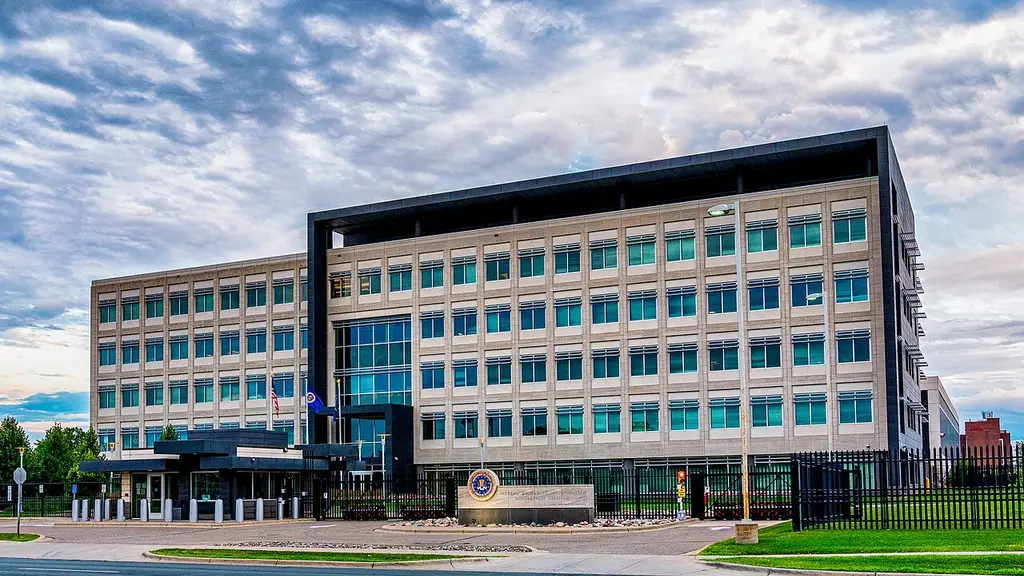
    Photo: Tony Webster from Minneapolis, Minnesota, United States / Wikimedia Commons, CC BY-SA 2.0

    In a November 13 warning, the FBI said criminals have used ARTEX in cyberattacks against organizations around the world since at least August. The bureau identified financial institutions, healthcare organizations, government agencies and technology companies among the targets.

    The report comes from Fox News.

    In some intrusions, less than 3 hours passed from initial targeting to privileged access, the FBI said.

    ARTEX began as a legitimate tool for testing system security. The FBI warned that criminals use its artificial intelligence features to find vulnerabilities, try to exploit them and automate parts of their attacks.

    Microsoft linked one campaign to the Storm-0940 group, which the company said attempted to access more than 2,250 Microsoft 365 customer environments. Huntress reported unauthorized sign-ins in at least 162 environments during its initial investigation.

    Microsoft cautioned that successful authentication alone does not mean data was accessed or stolen. The company also said the attack did not result from a vulnerability in its systems or services: criminals used permissions belonging to a compromised third-party application.

    The FBI also said ARTEX attacks in South Korea led to the exposure of personal information belonging to about 67,000 people.

    The developer removed the original ARTEX repository from GitHub on October 8, but archived copies and modified versions remained available.

  4. Technology updated 00:02

    Honor launches 700 and 700 Pro with 9,000mAh batteries

    Both phones have a secondary rear display and a 200MP main camera. The Pro model also supports wireless charging.

    Honor launches 700 and 700 Pro with 9,000mAh batteries
    Photo: Notebookcheck

    Honor launched the Honor 700 and Honor 700 Pro in China, with 9,000mAh batteries and 200MP cameras.

    Original report: Notebookcheck.

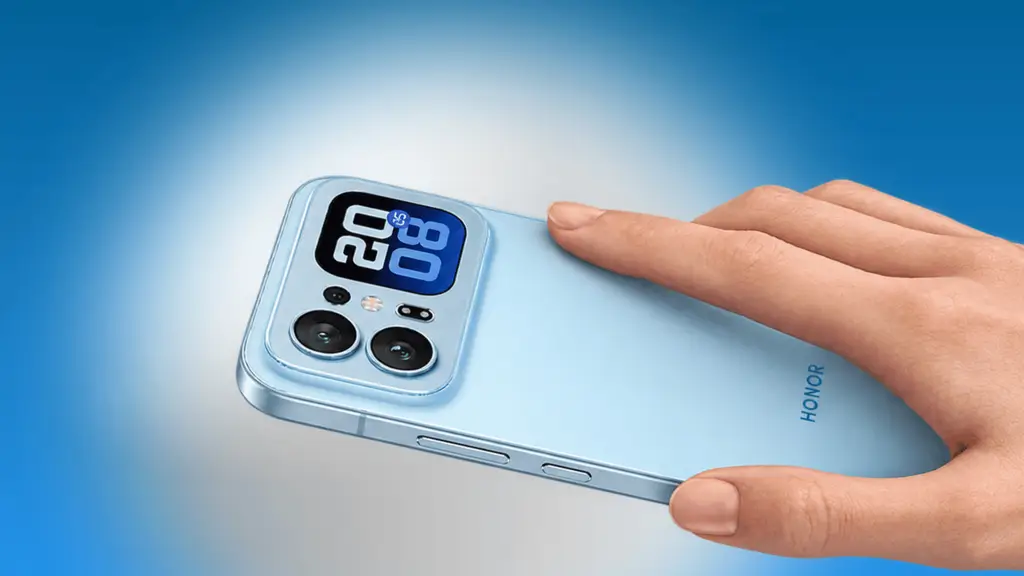
    Both phones have a 6.57-inch AMOLED display with a resolution of 2,728 × 1,264 pixels, plus a 1.59-inch secondary screen beside the rear cameras. It can show notifications and help frame selfies taken with the main camera.

    The secondary screen can also display heart rate and blood oxygen readings measured by a dedicated PPG sensor. Both phones support 80W wired charging, while the Honor 700 Pro also supports 50W wireless charging.

    The phones have a 50MP periscope telephoto camera with 3.5x optical zoom, a 12MP ultrawide camera and a 50MP front camera. They are compatible with the separately sold Honor G200 telephoto extender, which has a 15x stage photography mode.

    The Honor 700 uses the Snapdragon 8s Gen 4 chipset, while the Honor 700 Pro uses the Snapdragon 8 Gen 5. Both phones have 12GB of RAM and 256GB of storage in their base configurations.

    The series also includes the Honor 700S. The 700 and 700 Pro have IP68, IP69 and IP69K dust and water resistance ratings, as well as stereo speakers and NFC. They run Android 17 with MagicOS 11.

    Before discounts and subsidies, the Honor 700 starts at CNY 3,999 (about $599), while the Honor 700 Pro starts at CNY 4,599 (about $689). The company has not announced global availability.

  5. Technology updated 11:51

    Oregon and Virginia sue SpaceX and X Corp. over Grok

    The states accuse the companies of misleading users about generative AI safety and efforts to prevent illegal images from spreading.

    Oregon and Virginia sue SpaceX and X Corp. over Grok
    Photo: Steve Jurvetson / Wikimedia Commons, CC BY 2.0

    The attorneys general of Oregon and Virginia filed separate lawsuits against SpaceX and X Corp. Virginia filed its case in Richmond city circuit court, while Oregon filed in Multnomah County circuit court.

    Source: Wired. Also reporting: Engadget, The Verge, Ars Technica.

    The states allege the companies violated consumer protection laws by misleading users about the safety of their generative AI tools.

    The lawsuits also address steps to prevent the spread of child sexual abuse material and nonconsensual intimate imagery.

    X Corp., which operates the social media platform X, is a SpaceX subsidiary. SpaceX acquired xAI, X Corp.’s parent company, in February and took ownership of the Grok chatbot.

    The states allege Grok generated sexualized images of women and minors. The lawsuits also say its creators intentionally weakened safeguards to attract more users.

    According to the states, tens of thousands of reports from xAI to the National Center for Missing and Exploited Children’s CyberTipline lacked key information. As a result, the center could not act on them 90% of the time.

    Virginia’s lawsuit says investigators found that Grok explained which words triggered its filters and helped draft prompts to evade moderation. The chatbot then carried out those prompts.

    Virginia also alleges that Grok did not check whether a person in an uploaded photo was real or had consented to the image being used or altered.

    The attorneys general are seeking civil penalties and attorneys’ fees. SpaceX did not immediately respond to a request for comment.

    xAI has previously told a court that it takes violations of its terms of service seriously. Its lawsuit against a user from South Carolina and the criminal case against him are ongoing.