Technology

  1. Technology

    Prime minister announces platform for reporting outages of electricity, heat and water

    Reports are to be sent to the responsible services so they can monitor conditions in the regions and respond around the clock.

    Prime minister announces platform for reporting outages of electricity, heat and water
    Photo: Інтерфакс-Україна

    Ukraine’s Ministry of Digital Transformation and Ministry for Communities and Territories Development plan to launch a joint platform where people can report outages of electricity, heat or water, Prime Minister Serhiy Koretskyi said.

    Original source — Інтерфакс-Україна.

    The platform is to be available to every resident of Ukraine. People will be able to use it to report the loss of three basic utilities: electricity, heat and water.

    Reports are to be directed to the responsible services. The idea is to help them monitor conditions in different regions and respond to outages around the clock.

    Koretskyi linked the creation of the platform to an order from the president. He said the service was needed because electricity had been cut off for several days in some places without an adequate response.

    The project was discussed at a meeting attended by the relevant ministers, representatives of the Presidential Office, heads of regional and city administrations, and energy workers. The Ministry of Digital Transformation and the Ministry for Communities and Territories Development are to implement it jointly.

  2. Technology

    A household vacuum can damage computer components

    The nozzle can catch connectors, while airflow can spin fans too fast. Compressed air or an electric air duster designed for electronics are safer options for cleaning.

    A household vacuum can damage computer components
    Photo: Engadget

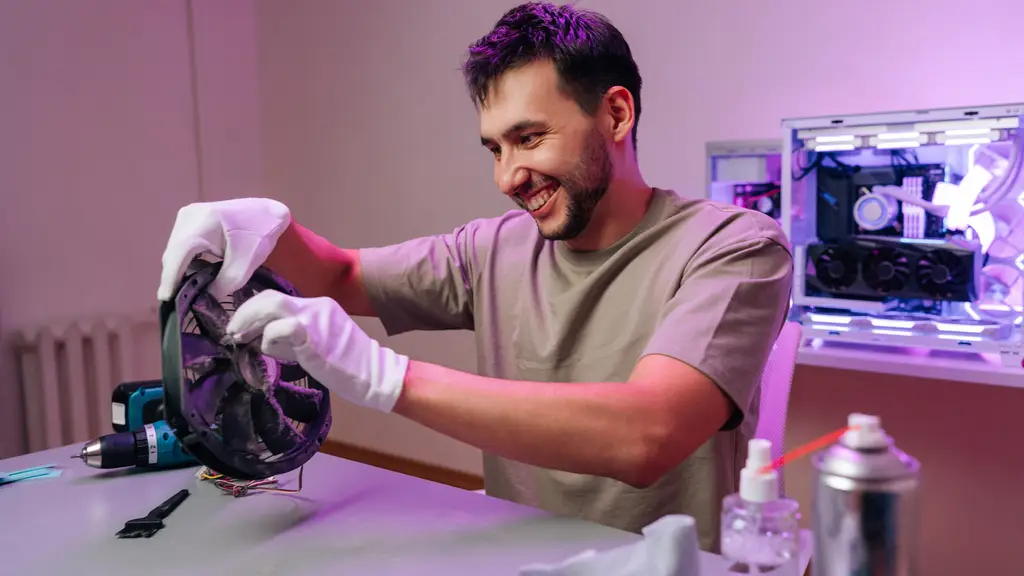
    Using a household vacuum inside a computer can damage components through static discharge or contact with the nozzle, while its airflow can put stress on the fans.

    Original report: Engadget.

    Static charge can build up as dust and other particles travel through a household vacuum hose, especially around plastic parts. The charge can transfer to components and damage them, even if you do not feel a shock. Specialist vacuums for electronics are designed to dissipate static rather than let it accumulate near the nozzle.

    The nozzle can catch a cable or connector. A brush attachment may snag small parts, while a hard nozzle can strike a circuit board or bend heatsink fins. Airflow can spin fans and put stress on their bearings.

    Before cleaning, turn off the computer and unplug it. Dust can be blown out with short bursts of compressed air or an electric air duster designed for electronics. Where possible, hold fan blades still, and avoid pushing attachments into gaps you cannot see.

    Removable dust filters can be cleaned separately and dried completely before being put back. Do not open the internal components of a power supply: they can retain a dangerous electrical charge.

  3. Technology

    Christian Hintze warns about data collection by Freebuff

    Free usage limits and available models vary by selected model and country. The service also collects data users share with its agent.

    Christian Hintze warns about data collection by Freebuff
    Photo: Notebookcheck

    Reviewer Christian Hintze described testing Freebuff on November 22, a coding agent offering free access supported by advertising. He warned about its data collection.

    Source: Notebookcheck.

    Freebuff also offers paid subscriptions with additional features. Its command-line interface (CLI), agents and software development kit (SDK) are available for free on GitHub.

    Hintze observed that free usage limits have been reduced and larger models are increasingly available only on paid plans. Availability and terms depend on the country and may change. He gives the examples of DeepSeek V4.1 Flash Fast, which has a three-hour usage limit, and GPT-6-Luna, which is available only on a paid plan.

    According to Hintze, Freebuff collects data users provide to the agent and information about their devices, and logs mouse and keyboard input. He writes that the service’s privacy policy provides for creating interest profiles based on user input. The data is used for personalized advertising and AI training, and is also shared with model developers, he says.

    Hintze advises users to be careful about the information they share with the agent.

  4. Technology updated 00:02

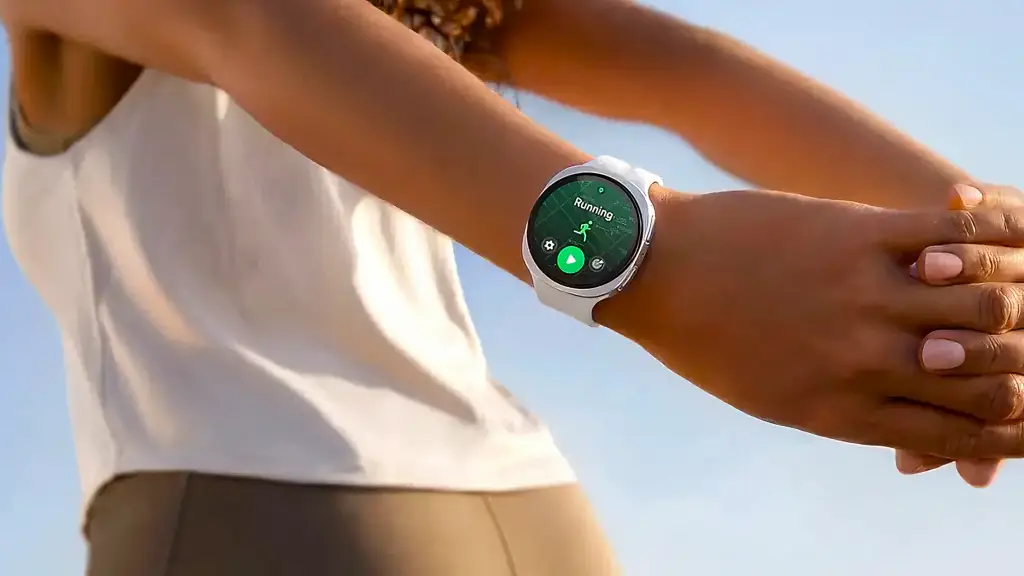
    ETNews: Samsung may skip a Galaxy Watch release in 2027

    That could extend the gap between generations to two years, though Samsung has not confirmed the plan.

    ETNews: Samsung may skip a Galaxy Watch release in 2027
    Photo: Notebookcheck

    Samsung may not release a new Galaxy Watch in 2027. The Galaxy Watch 9 and likely the Galaxy Watch Ultra 2 would have no successors that year, ETNews reports.

    Notebookcheck published the report.

    If the report is accurate, Samsung will move from annual watch updates to a two-year release cycle. Galaxy Watches have been refreshed every year since 2018. Under that schedule, the Galaxy Watch 10 would arrive no earlier than 2028, and the Galaxy Watch Ultra 3 could launch that year as well.

    The change is reportedly tied to a need to reduce costs in Samsung’s Mobile Experience (MX) division.

    The plan also reportedly includes software updates for current Galaxy Watch models, with a focus on new health features.

  5. Technology

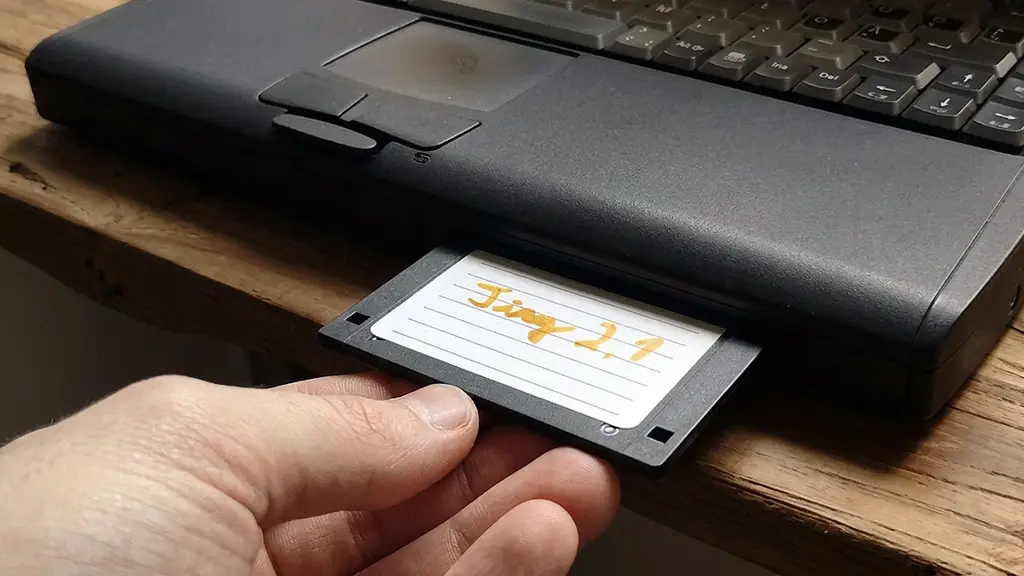
    WollyMonjac releases Tiny 2.1 chatbot for MS-DOS computers

    The model fits on a 1.44 MB floppy disk and runs on computers with a 486DX or Pentium processor.

    WollyMonjac releases Tiny 2.1 chatbot for MS-DOS computers
    Photo: Notebookcheck

    Developer WollyMonjac has released Tiny 2.1, a compact AI chatbot for MS-DOS computers. It runs on systems with 486DX and Pentium processors and fits on a 1.44 MB floppy disk.

    The story was published by the news site Notebookcheck.

    Tiny 2.1 is a question-and-answer chatbot, not a large language model. Its training data includes more than 3,500 facts, along with examples for small talk and math questions.

    The model has 367,000 parameters in a four-layer neural network. Its weights take up about 380 KB, and the program needs roughly 540 KB of free conventional memory.

    Tiny 2.1 answers questions about words and facts from its training data, but may make up responses to complex or overly long queries. Its interface includes a conversation history, a neural network monitor and an Ask Tiny input box; answers can also be played through the computer speaker.

    The program is available on GitHub and can be run in an MS-DOS emulator. GitHub also hosts scripts for training it on custom data, released under the MIT license.