Technology

  1. Technology

    Samsung tests AI Vision mode for Galaxy camera

    The feature could describe objects in view, extract text and send a scene to Gemini or Samsung’s AI Vision app.

    Samsung tests AI Vision mode for Galaxy camera
    Photo: Engadget

    References to a Vision mode for Samsung’s camera app have appeared in the code for the first One UI 9.5 beta. It would let users point the camera at an object and ask AI questions about it.

    Original report: Engadget.

    According to Android Authority, the mode would show an AI-generated description of what the camera sees and tappable keywords. It would also include tools to extract text, ask questions about a scene and translate.

    The Ask button would send an image to Gemini, while Translate would open Samsung’s AI Vision app. Engadget notes that the app is built on Bixby Vision, the camera features of Samsung’s Bixby assistant.

    Samsung has not announced Vision mode. Features that appear in software betas may not make it into the final release.

    If Samsung launches the mode, it will likely arrive with the Galaxy S27 lineup early next year.

  2. Technology

    Ireland tests satellite AI system to monitor maritime activity

    The system is intended to help verify vessels’ locations, including those that stop transmitting tracking signals.

    Ireland tests satellite AI system to monitor maritime activity
    Photo: Українська правда

    According to Rapporteur, the Irish Defence Forces and Dublin-based company Ubotica are testing the Live Maritime Intelligence system to monitor maritime activity in Ireland. Defense Minister Helen McEntee presented the project at a conference in Dublin on November 27.

    Source: Українська правда.

    The system uses artificial intelligence to analyze satellite images, vessel-tracking data and other maritime information. It is intended to help predict vessel movements and verify their locations and activity, including when ships stop transmitting tracking signals.

    Ubotica’s technology processes satellite observations directly aboard spacecraft. This reduces the time needed to transmit images to Earth for analysis, while new observations can update the operational picture and help determine where to direct satellites next.

    The company said the system could help authorities detect potential threats to undersea communications cables, energy lines and maritime routes. Operational decisions remain with the Defence Forces.

    McEntee called the project an example of Irish companies working with the state and European partners to address practical challenges.

  3. Technology

    Bloomberg traces Shanghai GB300 rack serial number to Gigabyte

    The rack was listed as collateral for a roughly $14 million loan; U.S. export rules require a license to ship Blackwell systems to China.

    Bloomberg traces Shanghai GB300 rack serial number to Gigabyte
    Photo: Engadget

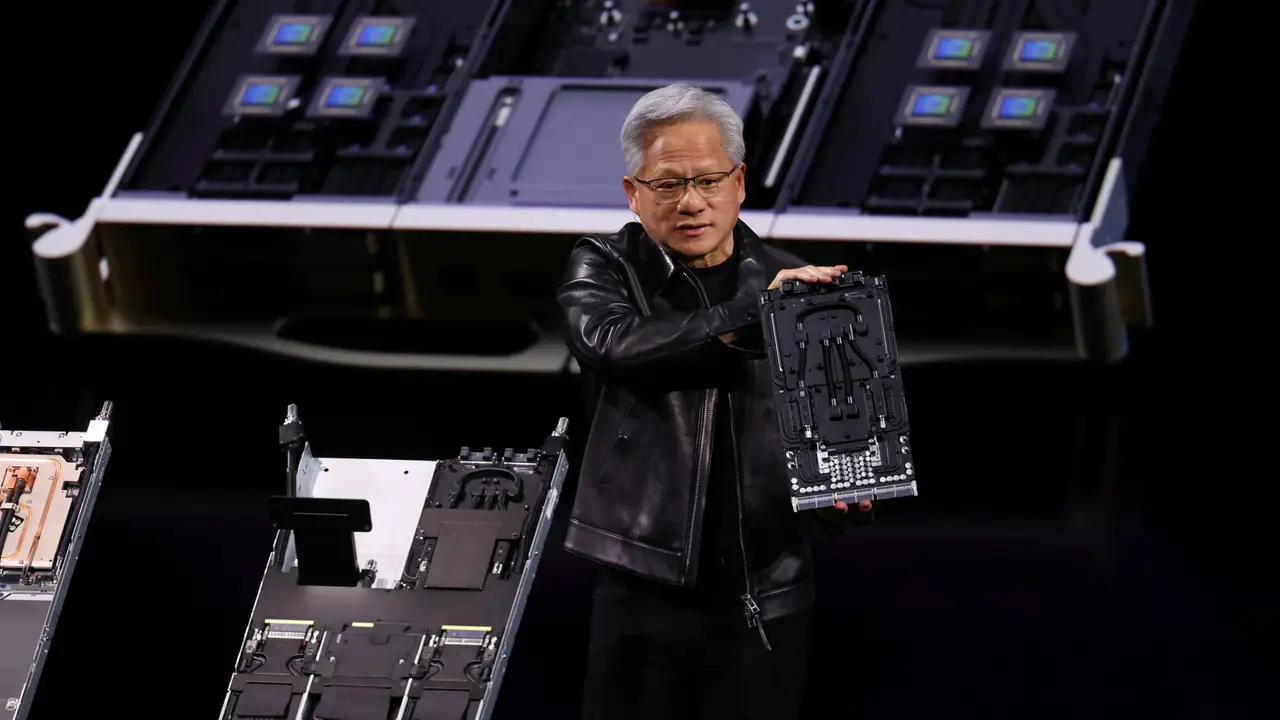
    Bloomberg found references to GB300 NVL72 and GB200 racks at a Shanghai data center project in documents two companies filed with Chinese regulators. Shanghai Shuoyao listed a GB300 NVL72 rack as collateral for a roughly $14 million loan from Shanghai Innovation Bank.

    Engadget published the report.

    A search of the rack’s serial number in a public warranty database led to Taiwan’s Gigabyte Technology. The company buys NVIDIA graphics chips to make graphics cards and servers.

    The GB300 NVL72 rack contains 72 Blackwell Ultra GPUs and 36 NVIDIA Grace processors. U.S. export rules require a license to ship Blackwell systems to China.

    Shanghai Shuoyao is linked to Megaspeed, a Singaporean cloud computing company. Alice Huang took a controlling stake in Megaspeed in 2023 and left the company in August 2025.

    Shanghai Shuoyao said it is one of Megaspeed’s service providers and that their relationship is limited to ordinary commercial cooperation. The U.S. Justice Department is investigating whether Megaspeed violated export rules; the company denies wrongdoing.

    Gigabyte declined to answer questions about who bought the rack. A company spokesperson said its business complies with applicable laws and internal requirements.

    The project also showed evidence of servers containing previous-generation Hopper GPUs. Shipping them to China also requires permission from the U.S. government.

    Jensen Huang is scheduled to testify publicly before Congress on December 3 at 10 a.m. ET.

  4. Technology updated 02:44

    Hackers reportedly breached U.S. Air Force’s Cloud One

    The incident prompted a pause in some projects and restrictions on updates to applications already running on the platform.

    Hackers reportedly breached U.S. Air Force’s Cloud One
    Photo: Engadget

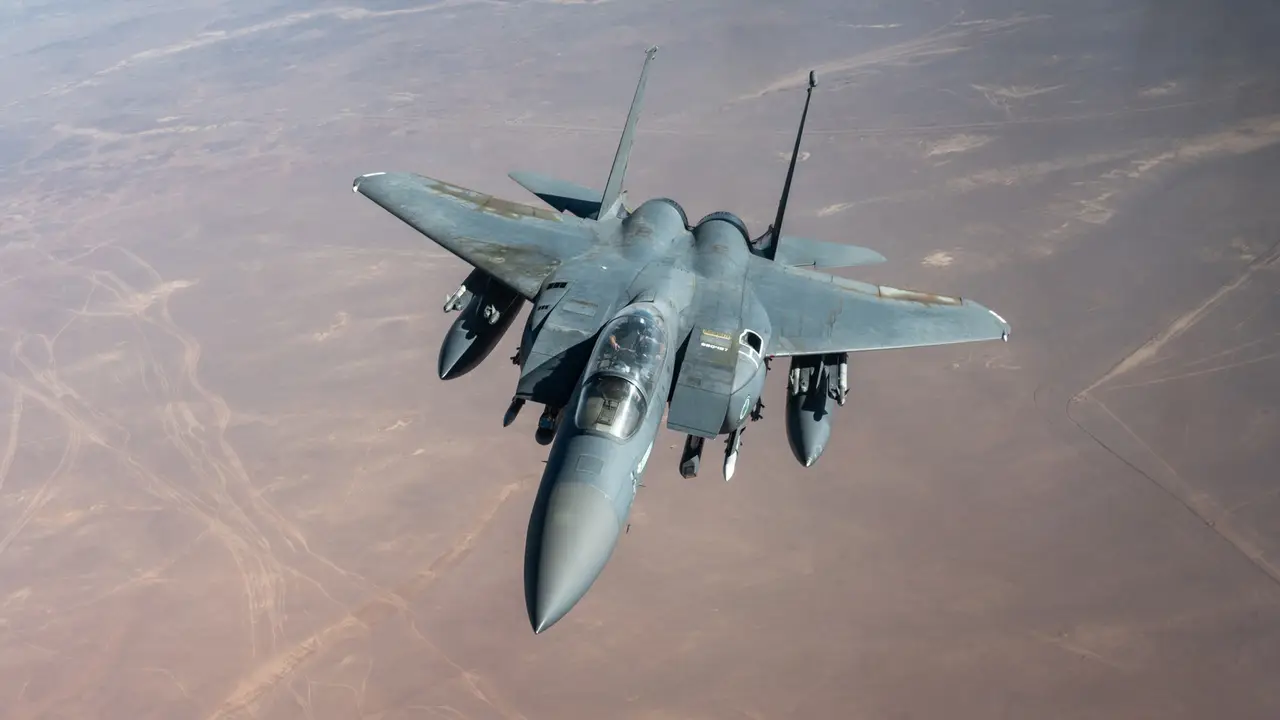
    Hackers gained access to Cloud One, the U.S. Air Force’s cloud infrastructure, Reuters reported, citing people familiar with the matter. The intrusion was discovered during system upgrade work.

    The report comes from Engadget. Also reporting: Українська правда.

    One person familiar with the situation said the attackers exploited a vulnerability to reach the system’s control plane. The person said that access could potentially allow someone to check military aircraft’s operational status and track spare parts. It is not known whether the hackers used those capabilities.

    After the issue was found, some projects were put on hold, including efforts to move additional mission applications to Cloud One. Some users lost administrator privileges, and updates to applications on the platform were prohibited, preventing staff from installing fixes.

    Cloud One was established in 2017. Its cloud services are provided by Amazon Web Services, Google Cloud, Oracle Cloud Infrastructure and Microsoft Azure.

    The platform was designed as a central hub for the Air Force’s information technology needs. It covers payroll and personnel data, as well as the Theater Integrated Combat Munitions System, which tracks bombs and missiles at more than 200 Air Force locations worldwide.

    The Air Force said it does not comment on the security posture, vulnerabilities or operational status of specific networks and systems. The department added that it takes appropriate measures to protect information, systems and mission capabilities. Cyber Command was also brought in to review the situation.

  5. Technology

    Fake accounts sought footage of Russian attacks from Ukrainian photographers

    One profile had more than 2,000 followers and reposted photos from Olesia Bida’s real account.

    Fake accounts sought footage of Russian attacks from Ukrainian photographers
    Photo: geralt / Pixabay

    On Nov. 23, a fake Instagram profile impersonating journalist Olesia Bida asked photojournalist Vlada Liberova for footage from sites struck by Geran drones.

    The information comes from The Kyiv Independent.

    Unknown individuals also emailed photographers and media outlets in Bida’s name, requesting photos and videos of damaged buildings, infrastructure and other visible effects of Russian attacks.

    On Nov. 9, investigative firm Molfar Intelligence was the first to report an attempt by unknown individuals to impersonate Bida. InformNapalm said it received two emails from the same address.

    One email, in Ukrainian, was signed with Bida’s name; another, in English, purportedly came from Christina Harward, a representative of the Institute for the Study of War (ISW). The messages were translations of each other.

    The account blocked Liberova later that day. After the incident, Bida and the Liberovs posted explanations on social media and warned others.

    Other Ukrainian photographers reported similar requests from people claiming to be journalists from Polish media outlets.

    The authors of the report found no evidence linking the attempts to the Nov. 4 cyberattack, but did not rule out the possibility.