Technology

  1. Technology

    Galaxy Tab S12 Ultra drops to 18.7% stability in stress test

    Samsung’s tablet has a 14.6-inch AMOLED display and includes an S Pen, but a reviewer found the new chip’s graphics performance weak.

    Samsung’s 14.6-inch Galaxy Tab S12 Ultra posted 18.7% stability in the 3DMark Steel Nomad Light Stress Test under sustained load. Reviewer Daniel Schmidt also recorded chassis temperatures of nearly 59 °C.

    Source: Notebookcheck.

    According to Schmidt’s measurements, the display reached 1,747 cd/m² when showing HDR content. It supports an adaptive refresh rate of up to 120 Hz.

    The tablet’s features include Wi-Fi 7, Bluetooth 6.0, a microSD card slot, DeX mode and an S Pen. Schmidt praised the loud speakers and their sound quality, but noted that they lack deep bass.

    Schmidt said the large AMOLED display and stylus support make the Galaxy Tab S12 Ultra appealing for work and video viewing. However, better options are available for demanding games. He also considers the previous Galaxy Tab S11 Ultra an interesting alternative given the limited improvements in the new model.

  2. Technology

    Gartner forecasts 130% rise in DRAM and SSD prices

    Hard drives are also getting more expensive under pressure from demand, as the same cloud companies buy them.

    Gartner forecasts 130% rise in DRAM and SSD prices
    Photo: Engadget

    Research and advisory firm Gartner forecasts that prices for dynamic random-access memory (DRAM) and solid-state drives (SSDs) will rise by a combined 130% by the end of the year. The company links the increase to institutional buyers purchasing memory and flash storage faster than factories can produce them.

    Engadget published the report.

    Hard drives are also seeing price increases, as the same cloud companies buy them. After years of getting cheaper, data storage is becoming more expensive.

    Consumer hard drives now hold around 24TB to 30TB, while commercial drives reach up to 44TB. Seagate’s 44TB drives are sold only to two hyperscale cloud providers.

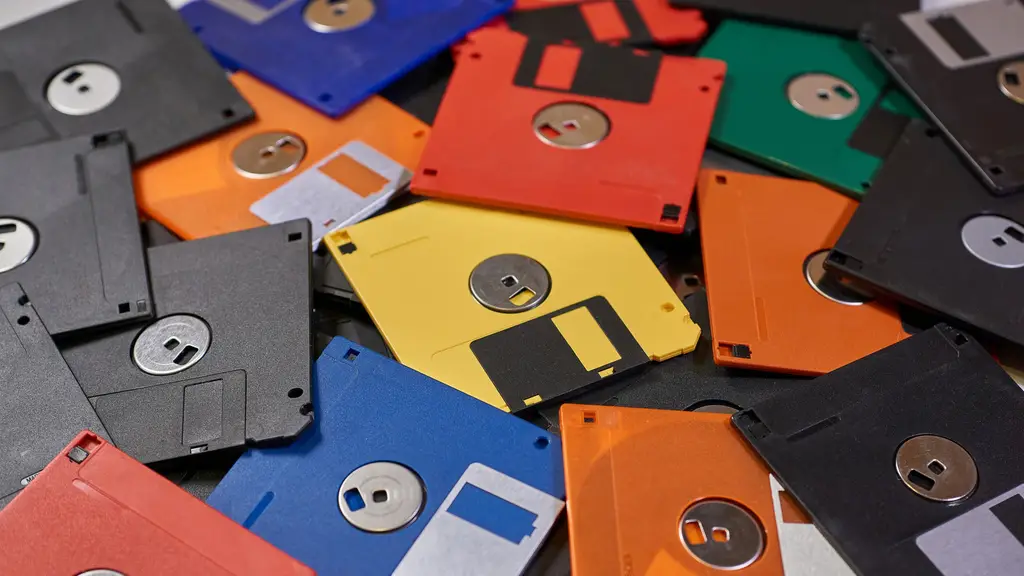
    In the early 2000s, a 10GB hard drive cost less than $60. A floppy disk held 1.44MB, while the first USB flash drives held 8MB.

    Data later moved increasingly to the cloud. Amazon launched its S3 service in 2006, renting server space for 15 cents per gigabyte per month. In 2008, Dropbox launched with 2GB of free storage on the same infrastructure.

  3. Technology

    Chess.com launches Classic Games beta with 10 titles

    The platform is available on the web and in a new app for iOS and Android. Each game includes lessons and a rating system.

    Chess.com launches Classic Games beta with 10 titles
    Photo: The Verge

    Chess.com has launched the public beta of Classic Games, adding 10 games to its website and new apps for iOS and Android.

    The story was published by the news site The Verge.

    The platform includes backgammon, checkers, go, hearts, mahjong, shogi, sudoku, solitaire, xiangqi and word, a Scrabble alternative.

    Checkers and mahjong can be played against other users or bots. Word and mahjong have puzzles, sudoku offers daily grids, and solitaire has daily deals.

    Chess.com Chief Growth Officer Albert Cheng said the team selected games based on community feedback and market research, as well as its confidence in its ability to develop each game well.

    Cheng said the team used artificial intelligence (AI) mainly to speed up coding. He said AI was not used to create the artwork or design.

    Another Chess.com project is Gambit, a gambling-free poker site. Cheng said the company will likely add many more games to its library.

  4. Technology

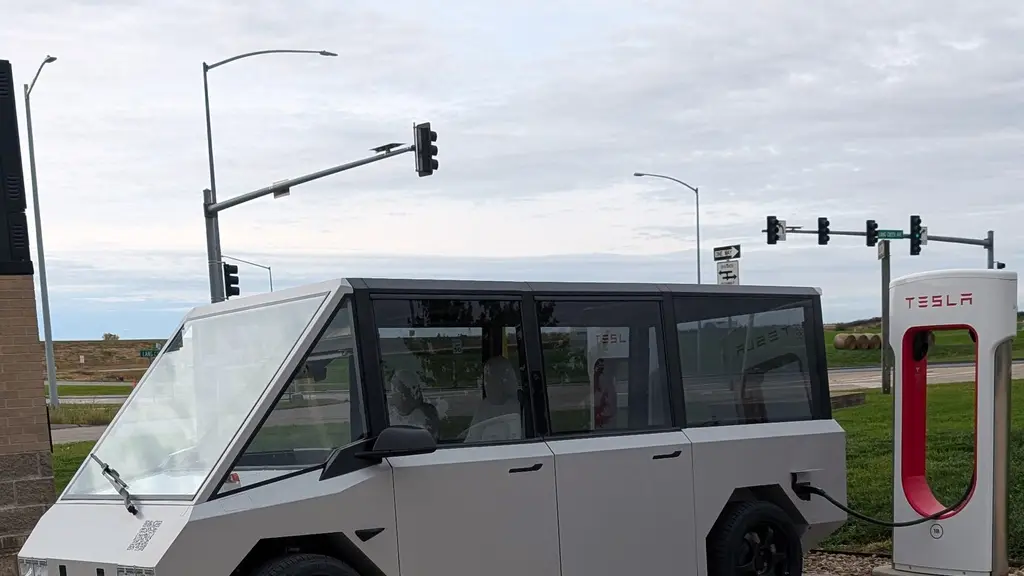
    Hoffman EV turns Tesla Model 3 into Badger minivan

    The prototype showed about 150 miles of highway range during a drive to an expo.

    Hoffman EV turns Tesla Model 3 into Badger minivan
    Photo: Notebookcheck

    Hoffman EV has transformed a Tesla Model 3 into the electric Badger minivan, which seats up to 11 people. A production prototype is planned for early 2027.

    This was reported by the news site Notebookcheck.

    The Badger retains the Model 3’s battery, motors, computers, cameras, wiring, touchscreen and seats. They are fitted into a new body and chassis made of powder-coated recycled aluminum, with interior panels made from recycled high-density polyethylene.

    The minivan can accelerate from 0 to about 60 mph in under four seconds. During a drive to an expo, the Badger showed about 150 miles of highway range. Further efficiency and aerodynamic improvements are intended to raise highway range to about 200 miles.

    With Tesla equipment, the Badger can use the Supercharger network, the Tesla app, Dog Mode and over-the-air updates. It has hardware for Full Self-Driving (FSD), but Hoffman EV will not enable the software to avoid legal repercussions.

    After building the prototype, the company plans to open reservations and produce about 100 vehicles a year. The estimated total price is about $70,000 before taxes, including about $20,000 for a donor Model 3.

    The warranty will cover only the body kit and chassis functionality, not individual Tesla components. Tesla could discontinue updates or other services for the vehicle at any time.

  5. Technology updated 15:50

    Reviewer praises Xiaomi 18 Pro cameras but criticizes rear screen

    The rear display helped produce excellent selfies, but its features proved limited. The Pro Max has a larger battery and a slightly better main camera.

    Reviewer praises Xiaomi 18 Pro cameras but criticizes rear screen
    Photo: The Verge

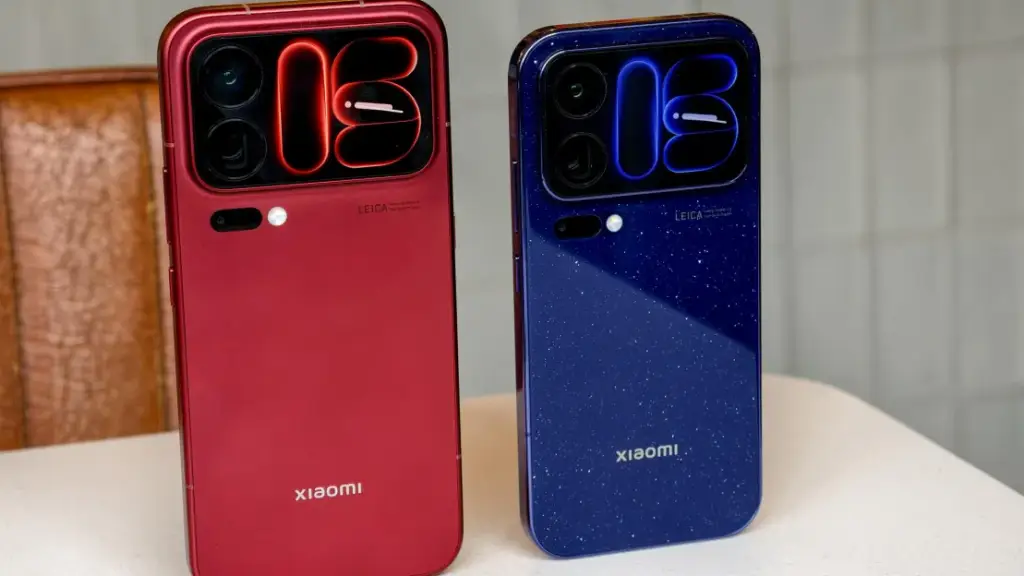
    Xiaomi introduced the 18 Pro and 18 Pro Max with extra displays on the back. Reviewer Dominic Preston tested both models for a week or two and concluded that the rear screen is most useful for taking selfies with the main camera.

    Details were published by The Verge. Also reporting: Notebookcheck.

    Preston found that both phones take high-quality photos with their main and telephoto cameras. Each has a 200-megapixel resolution, and the telephoto can focus as close as 12 centimeters. He said the ultrawide camera is noticeably weaker than the others.

    The front display measures 6.4 inches on the 18 Pro and 6.9 inches on the Pro Max. Their batteries hold 6,000 and 7,050mAh, respectively. Both phones use Snapdragon 8 Elite Gen 6 chips; only the Pro Max gets the Extreme version.

    The rear screen measures 2.7 or 2.9 inches. It can show notifications, control music playback, and run simple AI-created games or tools. But it cannot run full apps, and notifications aren’t available in a list.

    In the UK, the Xiaomi 18 Pro costs £1,199, while the Pro Max costs £1,399. Both phones also have a privacy display that limits screen visibility to people looking from the side.