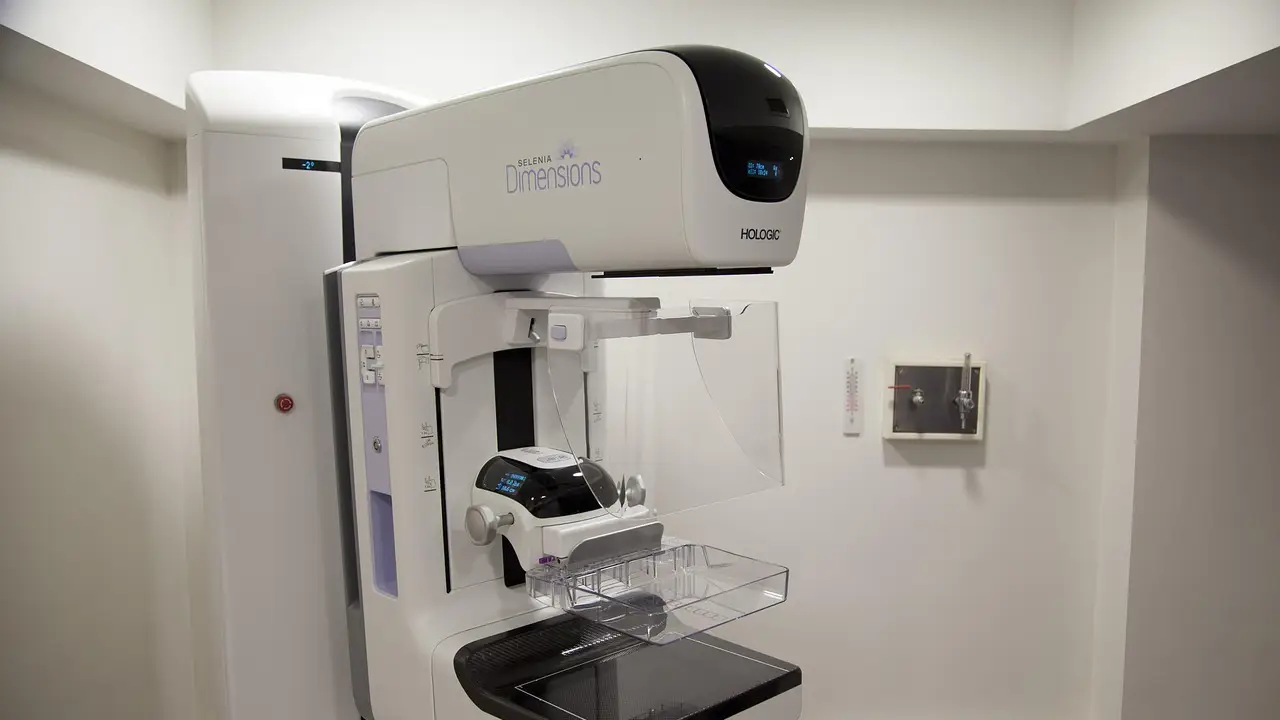
Researchers analyzed 214 screening mammograms from 107 women ages 34 to 79 who had taken weight-loss medications for at least a year. After screening, 22.4% of participants were called back for additional imaging.
More details are available from Fox News.
The medications were glucagon-like peptide-1 (GLP-1) receptor agonists. Participants lost an average of 40 pounds.
Specialized software showed that breast density rose by at least one category in 62.5% of participants. Eight women moved up two categories. Radiologists also noted smaller breasts in 58% to 79% of participants, depending on the reviewer.
Dr. Eva C. Gombos, the study’s lead author and a diagnostic radiologist at Brigham and Women’s Hospital in Boston, linked the change in density to a relative increase in the share of denser tissue after fat loss, rather than growth in its absolute volume.
Four women were referred for biopsies, and all results were benign. Other follow-up imaging also produced benign or negative results, including three simple cysts.
The study was retrospective: researchers analyzed medical records rather than following participants in a controlled trial. It did not establish whether the imaging changes affect long-term cancer risk.
The results are scheduled to be presented at the Radiological Society of North America’s annual meeting in Chicago from November 29 to December 3, 2026.
Gombos recommends telling the breast imaging team about GLP-1 medication use and significant weight loss. This can help specialists compare new scans with previous ones more accurately.
Novo Nordisk, maker of Ozempic and Wegovy, said it continuously monitors the safety profile of its medicines and reviews emerging data.