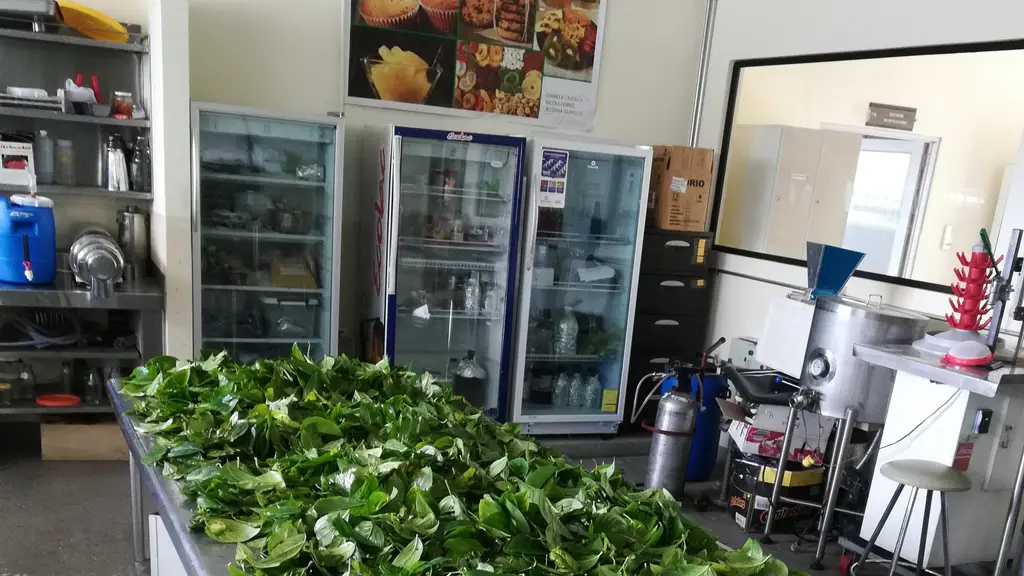
In a study published in Foods, researchers tested Piper carpunya leaf extract in a model of refrigerated risotto. By day seven, the hydroethanolic extract had reduced Clostridium perfringens in the contaminated dish by about 100-fold compared with a control without the extract.
Source: Medical Xpress.
From day 15 onward, the bacterium was not detected in samples containing the extract.
The team tested three types of leaf extracts against 20 microorganisms associated with foodborne illness and spoilage. Eight showed some susceptibility to the extracts, including C. perfringens, which can produce toxins and cause food poisoning.
The researchers stored precooked risotto at 5°C for 30 days. The extract made up 8% of the food model.
Some samples were deliberately contaminated with C. perfringens to test the extract’s effect. It also reduced other groups of bacteria used as indicators of food spoilage.
Our aim is to develop natural additives that offer functionality similar to that of artificial additives, while allowing their incorporation into clean-label products.
Felipe Reyes Bueno, researcher at Universidad Técnica Particular de Loja and an author of the study
The extract is not yet ready for use as a food preservative: researchers did not determine its chemical composition or assess its taste and other sensory properties. Despite its pro-oxidant effect in risotto, malondialdehyde levels, an indicator of lipid oxidation, remained below 0.35 mg/kg over 30 days of storage.
The researchers plan to identify the compounds responsible for the antimicrobial effect, optimize the extract concentration and assess its impact on the food’s taste.