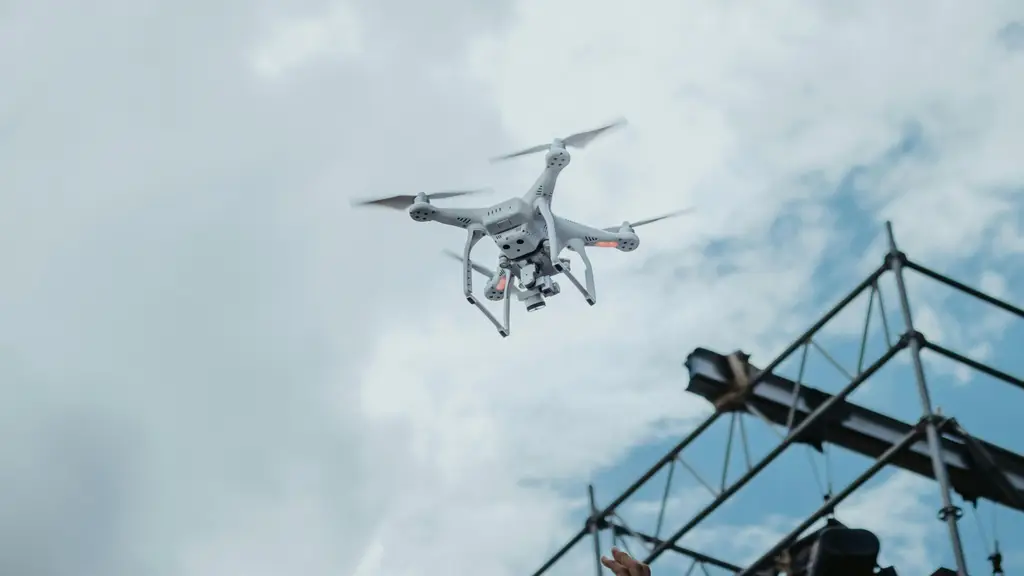
Hillsborough County, Florida, plans to launch a system that delivers whole blood by drone. Paramedics will request temperature-controlled blood through an app. The initial service will cover 181 square kilometers, with a delivery goal of 3.5 minutes.
The report comes from Medical Xpress.
The county describes the system as the first of its kind in the United States. Officials say it could help people injured in car crashes, shootings or stabbings, as well as women with severe bleeding after childbirth.
Archer First Response Systems operates the program. Founder and CEO Gordon Folkes said the company began using emergency drones in two Florida counties in May 2024. Since then, the drones have responded to 15 calls.
Ready-made kits can contain an automated external defibrillator (AED), tourniquets, Narcan for opioid overdoses, albuterol for asthma attacks and epinephrine for severe allergic reactions.
Folkes described a case in which a drone lowered an AED to a woman whose husband had collapsed. She put the pads on him about four minutes before ground crews arrived, he said. The device detected a heart rhythm that could not be corrected with a shock, and the man died.
The American Heart Association estimates that without a shock, a person’s chance of surviving cardiac arrest drops by 7% to 10% for each minute that passes.
In western Sweden, drones carrying defibrillators are already involved in many emergency responses. Local officials said they cover about 15% of the region’s population.
Robson Gilmour, a U.K. resident doctor who studies drone transport of donor organs, said Federal Aviation Administration (FAA) rules generally require drones to remain within a pilot’s line of sight. Waivers are available, but he said they do not make it easy to establish a broad network for everyday deliveries.
Gilmour expects blood, lab samples and medicines to become routine early uses because they are transported more often and are easier to incorporate into existing health systems. Drones already routinely deliver blood, vaccines and medicines in some parts of sub-Saharan Africa.