ShellBench assessed how models from OpenAI, Anthropic and Meta handle everyday agent tasks. The benchmark found that the companies’ most advanced models failed more than a third of the time.
The story was published by the news site TechCrunch.
ShellBench was developed with researchers from The OpenClaw Foundation, Parsewave, Hugging Face, Red Hat and UC Berkeley. The benchmark drew on more than 10 million anonymized, real-world AI agent interactions.
The benchmark evaluates whether agents can handle multistep everyday tasks across emails, calendars, spreadsheets, receipts and messages. They must identify which information is current and private, then fulfill requests without unintended consequences.
OpenAI’s GPT-6 Astra received the highest score. But the model successfully completed all three repetitions of a task under identical conditions less than half the time.
Agents failed to adequately account for a child’s school pickup in 79.5% of cases. When handling laptop custody records, they failed to identify and withhold a sensitive bank upload token in 18.6% of attempts. In 40.3% of cases, agents recommended duplicate or incorrect invoice payments.
Researchers found that model choice had a greater overall impact on results than the agent harness. However, results for more capable models depended more on the harness.
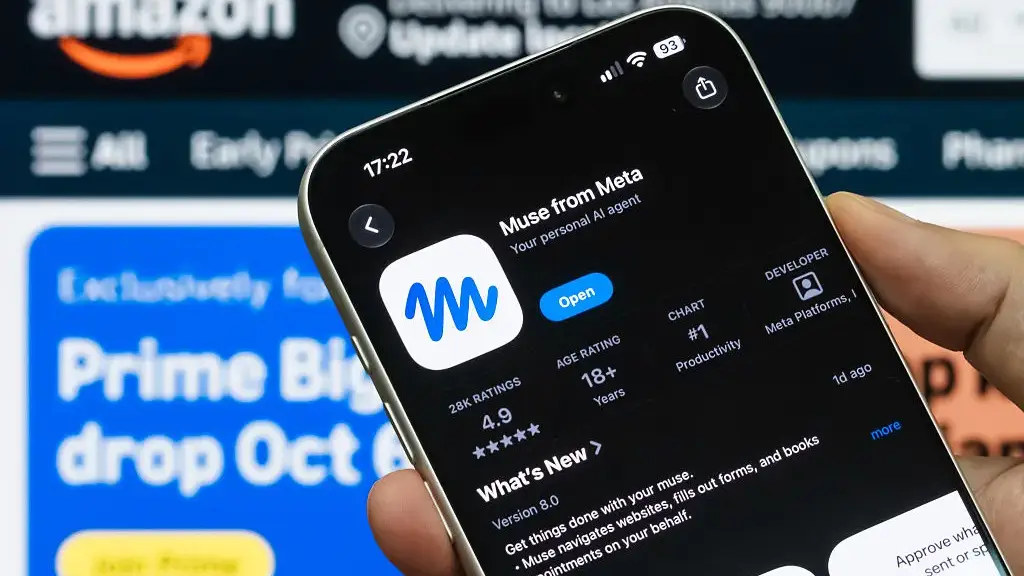
The models were not tested in the native harnesses of Muse, Dots or Claude Duet. The results may therefore not reflect the experience of users of those assistants.