Medicine & Research

  1. Medicine & Research

    UCLA study: Giredestrant cut breast cancer recurrence risk by 30%

    An international trial compared the drug with current hormone therapy. The FDA is expected to decide on giredestrant by November 30.

    UCLA study: Giredestrant cut breast cancer recurrence risk by 30%
    Photo: Medical Xpress

    The international phase 3 trial enrolled 4,170 patients. Giredestrant reduced the relative risk of invasive breast cancer recurrence or death by 30% compared with standard hormone therapy. Researchers at the UCLA Health Jonsson Comprehensive Cancer Center co-led the study, whose results were published November 25 in the New England Journal of Medicine.

    Details were published by Medical Xpress.

    The lidERA trial included people with stage 1-3 hormone receptor-positive, HER2-negative breast cancer who had an intermediate or high risk of recurrence. All had undergone surgery, and some had also received chemotherapy.

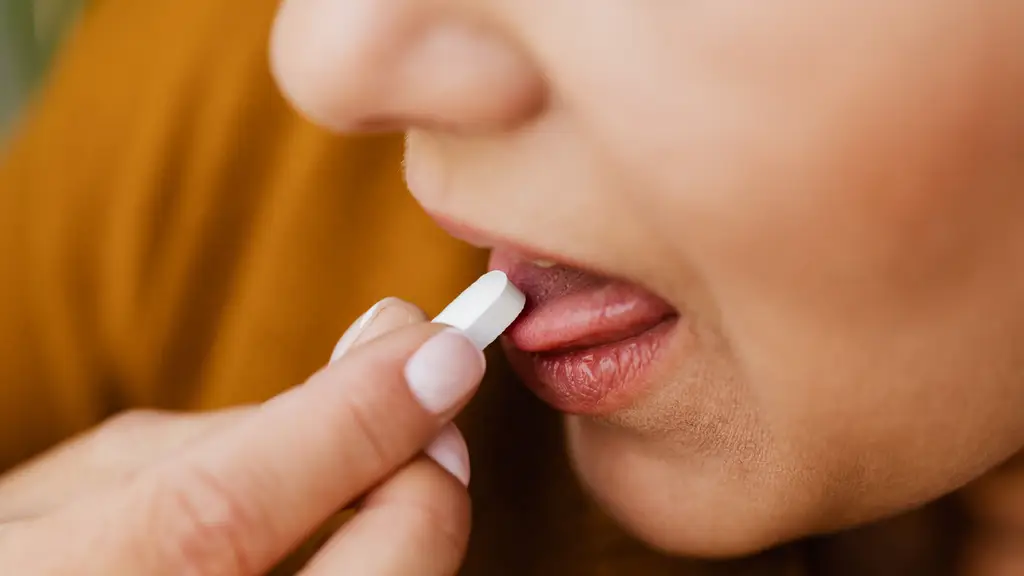
    Participants were randomly assigned to two groups. A total of 2,084 people received giredestrant as a once-daily pill, while 2,086 received standard hormone therapy, including tamoxifen or aromatase inhibitors. Treatment in both groups was planned for five years, and the median follow-up was about 32 months.

    The relative risk of cancer spreading to distant organs was also 31% lower in the giredestrant group. Joint pain was the most commonly reported side effect; side effects were generally similar in both groups, but patients taking giredestrant were less likely to stop treatment because of them.

    Giredestrant belongs to an investigational class of drugs that block estrogen receptors and promote their breakdown. Researchers will continue to follow participants to assess how long the effect lasts and whether treatment affects overall survival. The FDA is reviewing the drug for early-stage breast cancer, with a decision expected by November 30, 2026.

  2. Medicine & Research

    CDC study: Less than 1% sought care after RSV vaccination

    About one-third of participants received another vaccine within a week of their RSV shot, and a similar share reported mild or moderate symptoms.

    CDC study: Less than 1% sought care after RSV vaccination
    Photo: Medical Xpress

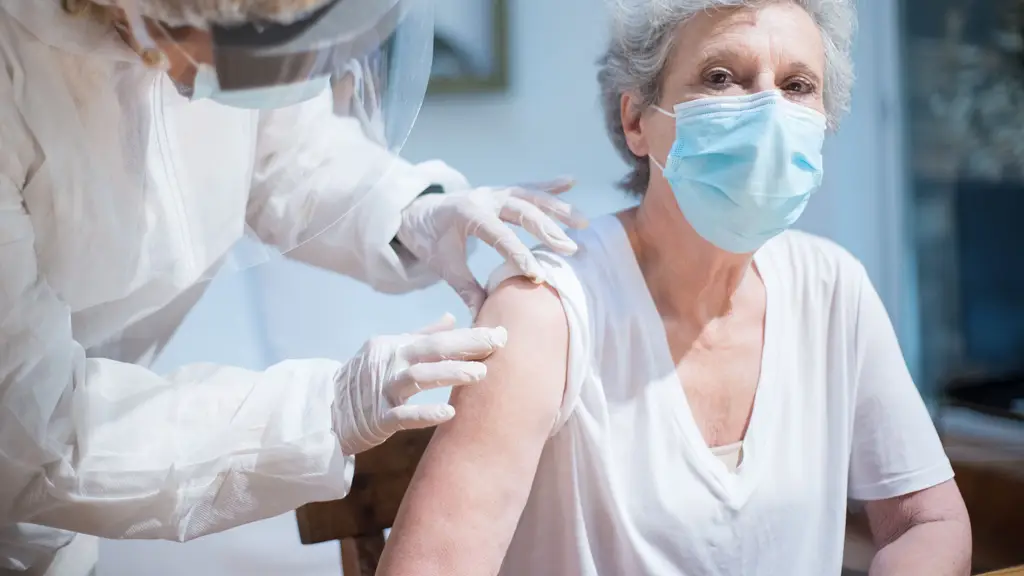
    Researchers with the U.S. Centers for Disease Control and Prevention (CDC) analyzed data from 18,252 U.S. adults age 60 and older who received an RSV vaccine. About one-third also received another vaccine within a week.

    The information comes from Medical Xpress.

    Less than 1% of participants said they sought medical care within a week after vaccination. About one-third reported mild or moderate health issues, including a sore arm, fatigue, muscle aches and headache.

    The study drew on participants’ reports to V-safe, a voluntary registry run by the CDC. Vaccinated people can use it to report side effects and other problems after vaccination; the findings were published in the journal Vaccine.

    People who received Pfizer’s vaccine (Abrysvo) along with another vaccine were more likely to report injection-site reactions than those who received Abrysvo alone.

    Participants who received GSK’s vaccine (Arexvy), either alone or with another vaccine, were more likely to report symptoms than those who received Pfizer’s vaccine. The risk of side effects with Moderna’s vaccine (mResvia) was similar to that with Pfizer’s vaccine.

    The CDC recommends that people age 75 and older receive one dose of an RSV vaccine. People older than 60 may also get one if they are at high risk of severe disease.

  3. Medicine & Research

    UBC researcher finds gaps in descriptions of 117 AI apps

    The apps do not always clearly communicate their privacy, safety and effectiveness. The researcher urges parents to talk with young people about chatbot use.

    UBC researcher finds gaps in descriptions of 117 AI apps
    Photo: Medical Xpress

    An article published November 25 covered an analysis by Julie Robillard, an associate professor of neurology at the University of British Columbia, of 117 artificial intelligence (AI) apps designed to support mental health.

    Medical Xpress reported the news.

    The analysis was published in the journal Child and Adolescent Mental Health. Robillard found significant gaps in how the apps communicate information about privacy, safety and effectiveness.

    Some services, she said, claimed mental health benefits without evidence. Feeling supported by or trusting a chatbot does not mean it is providing safe or effective help, she cautioned.

    Robillard said young people and caregivers report both benefits and risks from chatbots. Young people cite round-the-clock access, ease of use and support when it is otherwise unavailable or barriers such as language make it difficult to get.

    Robillard warned that the interests of private companies developing chatbots may not align with users’ interests. One risk, she said, is people prioritizing interactions with a chatbot over real-world relationships.

    Robillard said companies should be transparent and provide credible evidence for claims about their services’ mental health benefits. She also called for young people to be involved in designing safeguards, stressing that responsibility should not rest solely with children and their families.

    Robillard advises parents and caregivers to approach conversations about young people’s use of technology with curiosity, rather than focusing only on restricting access. Everyday moments—such as an unusually well-targeted ad or a questionable chatbot response—can prompt discussion about how technology works and whose interests it serves.

  4. Medicine & Research updated 23:53

    Study links obesity with dementia in Britain and China

    Under a newer classification, more than 80% of participants previously considered overweight were classified as having obesity. The study found an association but does not establish cause and effect.

    Study links obesity with dementia in Britain and China
    Photo: Medical Xpress

    Researchers analyzed data from studies in Britain and China to assess the links between obesity, dementia and death. The studies included 6,542 people in Britain and 12,402 in China. Results were published November 25 in Neurology.

    Original source — Medical Xpress.

    The European Association for the Study of Obesity (EASO) framework considers body mass index (BMI) and waist-to-height ratio. It also takes into account obesity-related conditions, including high blood pressure and diabetes. Under this approach, more than 80% of people previously classified as overweight were categorized as having obesity.

    After accounting for age, sex and physical activity, people with obesity across the combined study groups were 93% more likely to develop dementia than people with normal weight and no other health conditions.

    In the Chinese group, people with obesity were 30% more likely to die during the study than participants with normal weight and no other health conditions. Those classified as overweight were 39% less likely to develop dementia and 68% less likely to die than people with normal weight.

    Participants in the British group had an average age of 65 and were followed for an average of 12 years. In the Chinese group, the corresponding figures were 58 years and eight years.

    Study author Rui Zhou of Guangdong Pharmaceutical University said the findings support considering body fat distribution and other health conditions when classifying obesity.

    The study found an association, but does not show that obesity causes dementia or death, or that being overweight protects against them. Obesity was measured only at the start of the study, so changes over time were not captured.

  5. Medicine & Research updated 23:53

    Researchers identify GHB marker detectable in blood for up to 48 hours

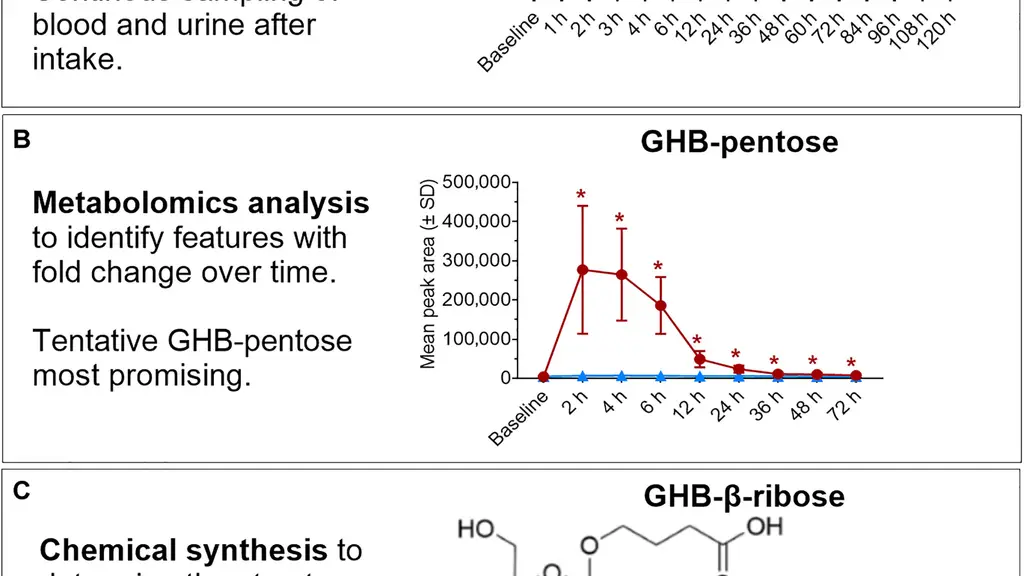
    The substance, named GHB Beta Ribose, remains in the body longer than the drug itself. Researchers identified it in a clinical trial involving 30 people.

    Researchers identify GHB marker detectable in blood for up to 48 hours
    Photo: Medical Xpress

    On November 25, researchers at Aarhus University in Denmark published findings on the molecular marker in Science Advances. A blood test for the marker could indicate gamma-hydroxybutyrate (GHB) use up to 48 hours after ingestion. The clinical trial involved 30 people who received GHB or a placebo.

    Source: Medical Xpress.

    The marker was detectable in blood for up to 48 hours and in urine for up to 36 hours after GHB use. Previously, the drug could be detected in urine for no more than 12 hours.

    The molecule was named GHB Beta Ribose. Chemists synthesized a molecule with the proposed structure and showed that it was identical to the previously unknown substance found in the clinical trial. They also found it in samples police collected from drivers under the influence of GHB.

    GHB is eliminated from the body quickly, complicating investigations into its use, including in drug-facilitated crimes. The study authors say the new marker could extend the period in which GHB use can be confirmed.

    The method needs further validation before it can be used in criminal proceedings. Researchers are investigating whether certain diseases or alcohol consumption affect biomarker levels in biological samples.