Medicine & Research

  1. Medicine & Research updated 23:55

    Vanderbilt Health cuts alerts to about 100 a week

    Redesigned electronic health record alerts helped increase use of cephalosporins as first-line antibiotics. Researchers recorded no cases of anaphylaxis over 21 months among patients with untested penicillin allergy labels.

    Vanderbilt Health cuts alerts to about 100 a week
    Photo: Medical Xpress

    Vanderbilt Health researchers redesigned electronic health record alerts that appear when antibiotics are prescribed to patients labeled as allergic to penicillin. The system was deployed for about 26,000 such patients across the health system and assessed over 21 months.

    Medical Xpress published the report.

    After the changes, clinicians saw about 100 alerts a week, down from more than 700. Cephalosporin use rose to nearly 18% among inpatients and 16% in outpatient settings. In surgical settings, use reached 35%.

    Use of clindamycin and fluoroquinolones, often prescribed as alternatives, declined. During the assessment, researchers recorded no cases of anaphylaxis linked to cephalosporin use among patients with untested penicillin allergy labels.

    The research letter reporting the results was published in JAMA Network Open. The alert system was configured to appear according to an assessment of a patient’s potential risk of an allergic reaction.

    Cosby Stone, an assistant professor of medicine in Vanderbilt Health’s Division of Allergy, Pulmonary and Critical Care Medicine and the study’s corresponding author, said other health systems may be able to adapt the approach immediately in some cases.
  2. Medicine & Research updated 23:55

    Researchers identify bacterial markers linked to multiple sclerosis

    Counting bacterial cells and accounting for gut transit helped distinguish robust microbiome differences from conflicting results in earlier studies. The associations do not prove causation.

    Researchers identify bacterial markers linked to multiple sclerosis
    Photo: Medical Xpress

    Researchers from Vrije Universiteit Brussel (VUB), the Flemish Institute for Biotechnology, KU Leuven and the Belgian National MS Centre in Melsbroek studied the gut microbiota of people with multiple sclerosis. Their results were published in the journal Gut Microbes.

    This was reported by the news site Medical Xpress.

    Previous studies have produced conflicting results. Researchers attribute this in part to studies not accounting for factors that affect microbiome composition, including how quickly food moves through the gut.

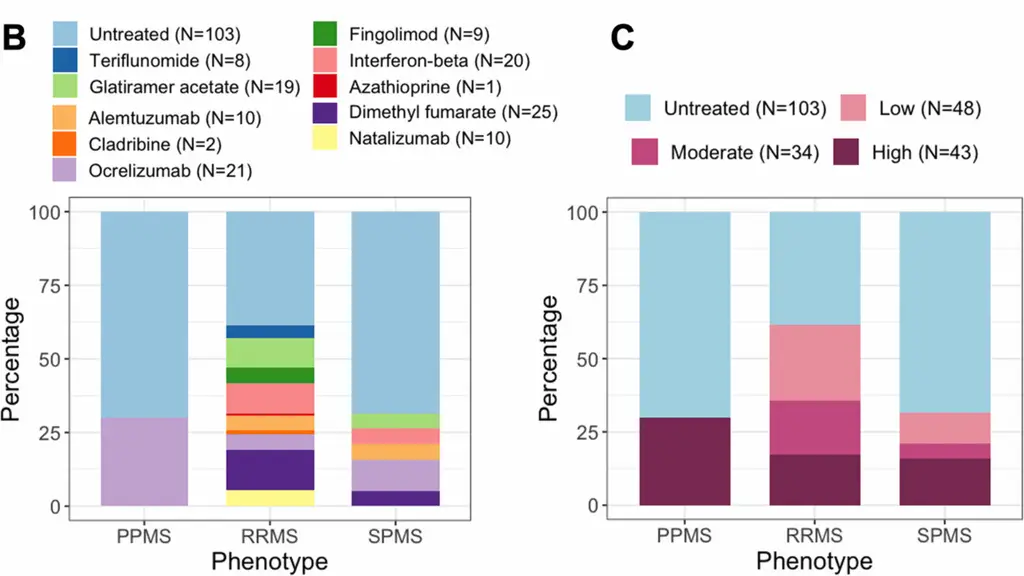
    The team counted bacterial cells rather than comparing only the ratios between them. On average, stool samples from people with multiple sclerosis had lower moisture content, indicating slower gut transit.

    After accounting for these factors, some bacterial species were more common and others less common in people with multiple sclerosis than in the general population. Comparisons with international studies confirmed that some bacterial groups are reliable markers of the disease.

    People with multiple sclerosis also had fewer of some bacteria that may have anti-inflammatory effects. A specific bacterial profile was linked to a milder course of the disease.

    The results show associations but do not establish cause and effect. Further research is needed to clarify the role of the microbiome in multiple sclerosis.

    The researchers caution patients against rushing to buy probiotics.

  3. Medicine & Research updated 23:55

    Researchers develop reusable textile electrodes for TENS therapy

    The honeycomb design better retained conductivity after stretching and washing. In a preliminary test with one volunteer, the electrodes conducted current better with gel or creams than on dry skin.

    Researchers develop reusable textile electrodes for TENS therapy
    Photo: Medical Xpress

    Researchers developed reusable textile electrodes for transcutaneous electrical nerve stimulation (TENS) that can be sewn into clothing. In a preliminary test involving one healthy volunteer, the electrodes transmitted current through skin-care products.

    Details were published by Medical Xpress.

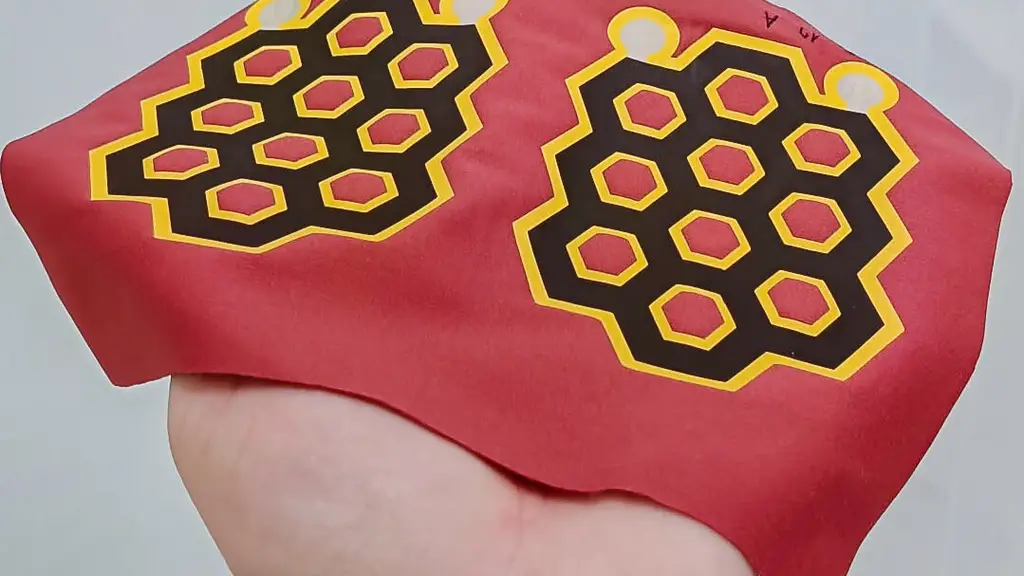
    The study was published in ACS Applied Materials & Interfaces. The electrodes have a silver layer that carries signals from a TENS device and a carbon layer that contacts the skin.

    The researchers compared rectangular and honeycomb patterns. After repeated stretching and laundering, the honeycomb design was less prone to cracking and better maintained its electrical conductivity. Much of the decline in performance was reversed by pressing the electrodes with a heated iron.

    In the test, the researchers compared the electrodes on dry skin and skin moisturized with mimics of ordinary lotions, a water-based gel or glycerin-based moisturizing creams. The electrodes conducted current better on skin treated with gel or cream than on dry skin. This suggests everyday skin-care products might be used instead of specialized electrode coatings, though the test was preliminary.

    TENS therapy sends low-voltage electrical pulses to muscles and nerves through electrodes placed on the skin. Conventional devices require precise electrode placement, and their adhesive coatings can irritate the skin.

    The next step is to combine the textile electrodes with an electrical stimulation device and test the system in real-world conditions. The researchers also plan to continue working with medical and physiotherapy specialists and assess the system with a larger, more diverse group of people.

  4. Medicine & Research

    Jonathan Frakes reveals bladder cancer diagnosis

    The actor saw a doctor after noticing pink urine. A biopsy confirmed high-grade cancer that had not spread into the muscle layer.

    Jonathan Frakes reveals bladder cancer diagnosis
    Photo: Fox News

    Actor Jonathan Frakes said on the podcast Dropping Names with Brent and Jonny that he noticed pink urine while traveling to Phoenix. Tests later found bladder cancer.

    The report comes from Fox News.

    Urologist Ram Narayanan called the symptom painless gross hematuria — visible blood in the urine without pain. He said it requires a urological evaluation.

    Cleveland Clinic and the National Institutes of Health (NIH) identify painless visible blood in the urine as the most common symptom of bladder cancer. Blood in the urine can also result from a urinary tract infection or kidney stones.

    Frakes had an in-office cystoscopy. Narayanan saw small growths on the lining of the bladder.

    Three days later, Frakes underwent a blue light cystoscopy and removal of abnormal tissue. The dye helps make hidden tumors visible.

    A biopsy confirmed high-grade cancer that had not spread into the muscle layer. To prevent the cancer from returning, Frakes underwent six weekly rounds of intravesical therapy.

    Narayanan said that because of a nationwide immunotherapy shortage, he used a combination of gemcitabine and docetaxel, two chemotherapy drugs.

    During the examination, Narayanan also found an enlarged prostate. After an MRI ruled out prostate cancer, the urologist removed about 135 grams of tissue through one small incision.

    After surgery, Frakes stopped taking daily medication for his prostate, and his urinary symptoms disappeared.

    Frakes shared his diagnosis during Men’s Health Awareness Month to encourage other men to see a urologist. Narayanan urged listeners to get unusual symptoms checked immediately and not be shy about seeing a doctor.

  5. Medicine & Research updated 00:02

    UC Davis Health team develops tumor models to test drugs

    Researchers test drugs and combinations outside the patient's body. Artificial intelligence helps identify treatment options for laboratory testing.

    UC Davis Health team develops tumor models to test drugs
    Photo: Medical Xpress

    Christopher A. Lucchesi says his team’s platform at UC Davis Health has evaluated tumors in more than 50 prostate cancer cases and nearly 60 bladder cancer cases.

    The information comes from Medical Xpress.

    Lucchesi is an assistant professor of urologic surgery in the Department of Urology at UC Davis Health. He also works as a research health scientist at the U.S. Department of Veterans Affairs in Mather, California. His lab conducts this work in collaboration with the agency.

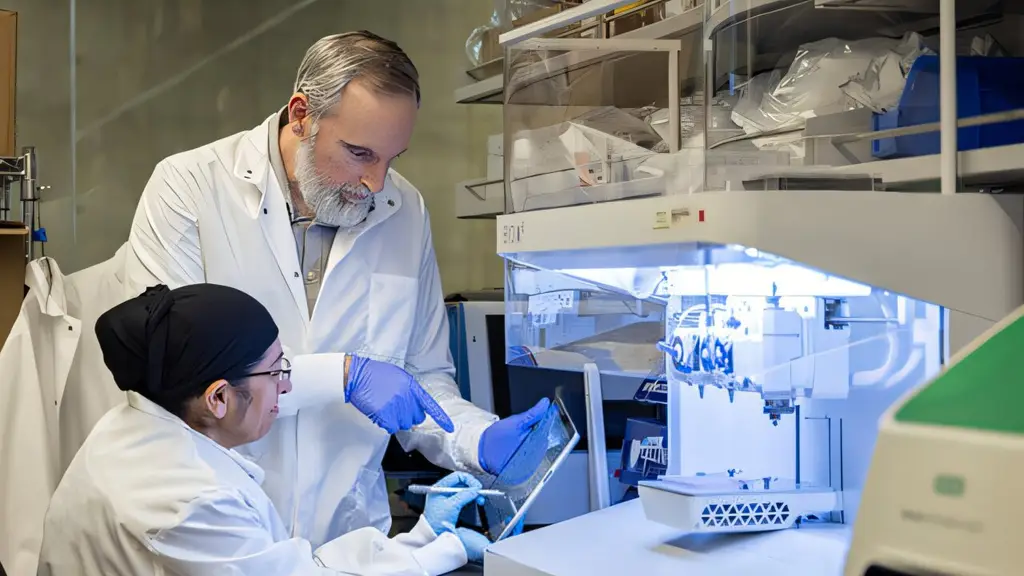
    Tissue for the research is collected during surgery or biopsy and processed to isolate individual cells. A specialized 3D printer places droplets containing tumor cells into bioink, a hydrogel. The resulting microscopic models are called tumoroids.

    Tumoroids allow researchers to test drugs and combinations of treatments outside the patient’s body. An artificial intelligence-powered platform analyzes different forms of patient data and identifies promising options for laboratory testing.

    Lucchesi says samples from different patients responded to drugs in different ways. In some cases, tumoroids responded to drugs that molecular findings alone had not led researchers to expect would work.

    According to Lucchesi, the platform has also evaluated kidney, lung, liver, and head and neck tumors. The work is ongoing, and researchers hope to eventually begin clinical trials.