
Medicine & Research

  1. Medicine & Research updated 23:55

    Long sleep linked to higher death risk in people with heart disease

    A study of more than 3,000 U.S. adults found the association. Researchers say extended sleep may signal other health problems rather than directly raise the risk of death.

    Long sleep linked to higher death risk in people with heart disease
    Photo: Medical Xpress

    Researchers linked sleeping at least nine hours a day with a higher risk of death among 3,287 adults with heart disease. They used data from the 2004 National Health Interview Survey and compared it with national death records through the end of 2019.

    This was reported by Medical Xpress.

    After accounting for age, smoking, alcohol use and other medical conditions, sleeping nine hours or more was associated with a higher risk of death from any cause. The risk was 51% higher than for people who slept seven to eight hours. The risk of death from heart-related causes was 53% higher.

    Participants reported how long they typically slept in a 24-hour period. Researchers divided them into three groups: six hours or less, seven to eight hours, and nine hours or more. The findings were published in the journal PLOS One.

    Nearly half of the participants died during the 15-year follow-up: about 17% from heart-related causes and 33% from other causes.

    Sleeping six hours or less was not significantly associated with a higher risk of death. The lowest predicted risk was among people who slept about six to seven hours a day.

    Participants reported their sleep duration only once, so the authors could not determine whether their sleep patterns changed over time. They consider extended sleep more likely a marker of underlying vulnerability than a direct cause of death.

    Future studies with repeated, objective measurements should determine whether extended sleep reflects underlying health vulnerability, sleep disorders or disease progression.

  2. Medicine & Research updated 23:55

    Researchers study how to detect rheumatoid arthritis risk before symptoms

    A University of Colorado Anschutz review describes how combining biological data and artificial intelligence could help clarify early changes linked to the disease.

    Researchers study how to detect rheumatoid arthritis risk before symptoms
    Photo: Medical Xpress

    Researchers at the University of Colorado Anschutz and their collaborators published a review Nov. 24 in Nature Reviews Rheumatology examining ways to detect rheumatoid arthritis risk before symptoms appear.

    Source: Medical Xpress.

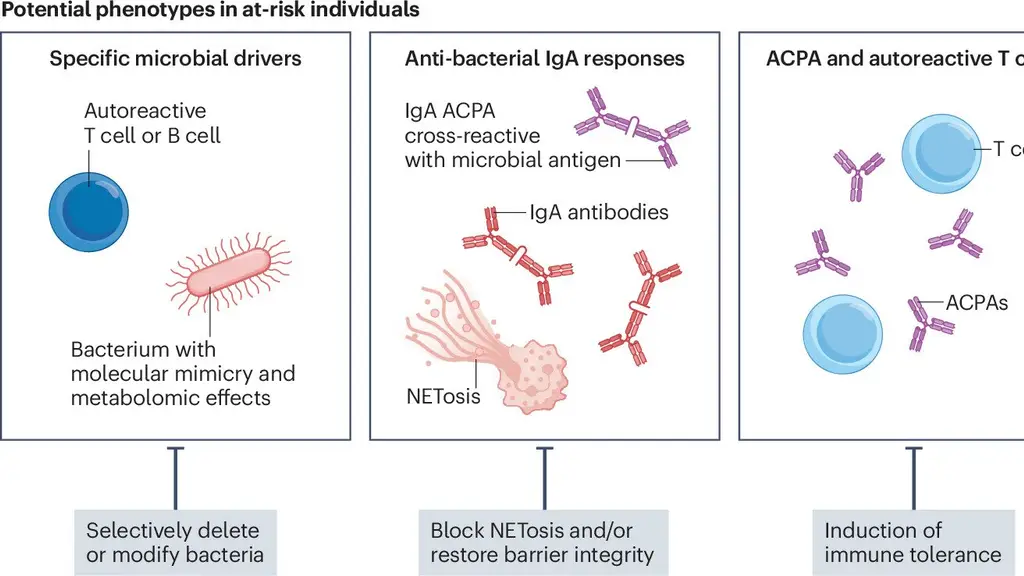
    The review describes how genetic data, the microbiome at mucosal sites, immune cells, proteins and environmental exposures could be combined to assess risk.

    Rheumatoid arthritis can develop for years before joint pain, swelling and stiffness appear. But having biological risk markers does not mean a person will necessarily develop the disease.

    In a 2025 study published in Science Translational Medicine, researchers followed people with antibodies associated with increased rheumatoid arthritis risk. Before they developed swollen joints, the researchers found widespread inflammation and changes in immune cells.

    The review authors write that artificial intelligence and machine learning could help identify patterns in biological data. They note that more research is needed before these approaches can be used to guide clinical decisions.

    Researchers say rheumatoid arthritis cannot yet be reliably prevented. They are studying whether early risk detection and intervention could delay or prevent the disease.

  3. Medicine & Research

    England’s ombudsman investigates repeated NHS trust failures

    The inquiry concerns trusts’ duty to tell patients and families about mistakes that cause death or harm.

    England’s ombudsman investigates repeated NHS trust failures
    Photo: The Guardian

    Paula Sussex, England’s public service ombudsman, has launched an investigation into repeated failures by NHS trusts to meet their duty to tell patients and families about treatment errors that cause death or harm.

    The Guardian published the report.

    Sussex began the inquiry after reviewing several cases in which patients were harmed or died because of mistakes. In those cases, trusts either did not disclose the information or failed to report the incidents to the Care Quality Commission (CQC), as required.

    Sussex said a lack of openness adds to the distress of those affected and undermines trust in the state. She stressed that patients and their families deserve honesty when things go wrong.

    In June, Sussex reviewed the case of a 70-year-old woman who, the ombudsman found, died avoidably. The case involved a series of failures in care at Kettering General Hospital NHS Trust.

    Staff were concerned about her condition, but neither the patient nor her family was told. The concerns were also not recorded in her medical notes.

    The woman’s daughter told the ombudsman that the family had not been told how serious her mother’s condition was. As a result, they had little time to prepare for her death.

    The duty of candour was introduced in 2014 for England’s 205 NHS care provider trusts after the Mid Staffordshire care scandal. It requires trusts to report incidents that cause a patient’s death or severe, moderate or prolonged psychological harm.

    Sussex plans to examine why compliance with the requirement is inconsistent and make recommendations. She said staff’s fear of blame and pressure at work could be among the reasons.

    NHS England said it is working to ensure trusts meet the duty and welcomed the investigation. It also said it is strengthening the requirement through its Patient Safety Incident Response Framework, which provides for involving patients and families after harm or safety incidents.

  4. Medicine & Research updated 23:55

    Summer vitamin D levels linked to fracture and death risk

    A Swedish study found the link in summer blood tests, but not winter tests. The authors say the season may affect how well a test reflects long-term deficiency.

    Summer vitamin D levels linked to fracture and death risk
    Photo: Medical Xpress

    In a cohort study of more than 12,000 older Swedish adults, researchers linked low vitamin D levels measured in summer with a higher risk of fractures and death. They found no such link for people with low levels in January through March. The results were published Nov. 24 in PLOS Medicine.

    This was reported by the news site Medical Xpress.

    Researchers analyzed participants’ blood vitamin D levels and followed them for about a decade to see who died or had a fracture. Their analysis accounted for age, sex and body size.

    The authors suggest that low summer levels may be a better indicator of long-term deficiency. Winter test results are more affected by seasonal changes, and some people may draw on vitamin D stores built up in fatty tissue during sunnier months.

    The researchers say the findings may help explain why randomized trials of vitamin D supplements have generally not found clear benefits for preventing fractures or death. They suggest conducting trials among people with low summer vitamin D levels.

  5. Medicine & Research

    Cuba’s life expectancy fell to 74.4 years, WHO chief says

    WHO Director-General Tedros Adhanom Ghebreyesus reported that infant mortality rose from about 4 to 9.9 deaths per 1,000 live births. He announced $2 million in aid for childhood vaccinations and medical equipment.

    Cuba’s life expectancy fell to 74.4 years, WHO chief says
    Photo: The Guardian

    During a visit to Havana, WHO Director-General Tedros Adhanom Ghebreyesus said life expectancy in Cuba was 74.4 years in 2025, down from 78.8 years in 2020. He said it was the first decline since records began in 1950.

    Details were published by The Guardian.

    The 2025 figures predate the U.S. fuel blockade imposed in January. The blockade adds to a U.S. trade embargo that has lasted six decades and sharply worsened Cuba’s most severe crisis in decades.

    Tedros said infant mortality rose from about 4 deaths per 1,000 live births in 2020 to 9.9 in 2025. Maternal mortality increased from 37.4 per 1,000 live births in 2019 to 44.1 in 2025.

    Tedros also said the survival rate for children with cancer fell from 85% to 65%. The decline came since January, when the U.S. threatened sanctions against countries supplying fuel to Cuba.

    At a news conference, Tedros described Cuba’s health system as being in critical condition. He linked the situation to sanctions, but also cited internal problems and welcomed Cuba’s efforts to address them.

    Tedros announced $2 million in aid for childhood vaccination programs and the purchase of essential medical equipment. He also backed wide-ranging market reforms proposed by the Cuban government, covering multiple sectors.