Medicine & Research

  1. Medicine & Research

    Women with PLO waited nearly 6 months for diagnosis on average, study finds

    Participants reported pain and fatigue, as well as lower emotional well-being scores than control mothers. Half said fear of further fractures deterred them from having more children.

    Women with PLO waited nearly 6 months for diagnosis on average, study finds
    Photo: Medical Xpress

    Researchers from Imperial College London, Imperial College Healthcare NHS Trust and the Royal National Orthopaedic Hospital NHS Trust conducted the study. It included 20 women with pregnancy and lactation-associated osteoporosis (PLO) and 20 healthy mothers in a control group. The results were published November 24 in Osteoporosis International.

    The information comes from Medical Xpress.

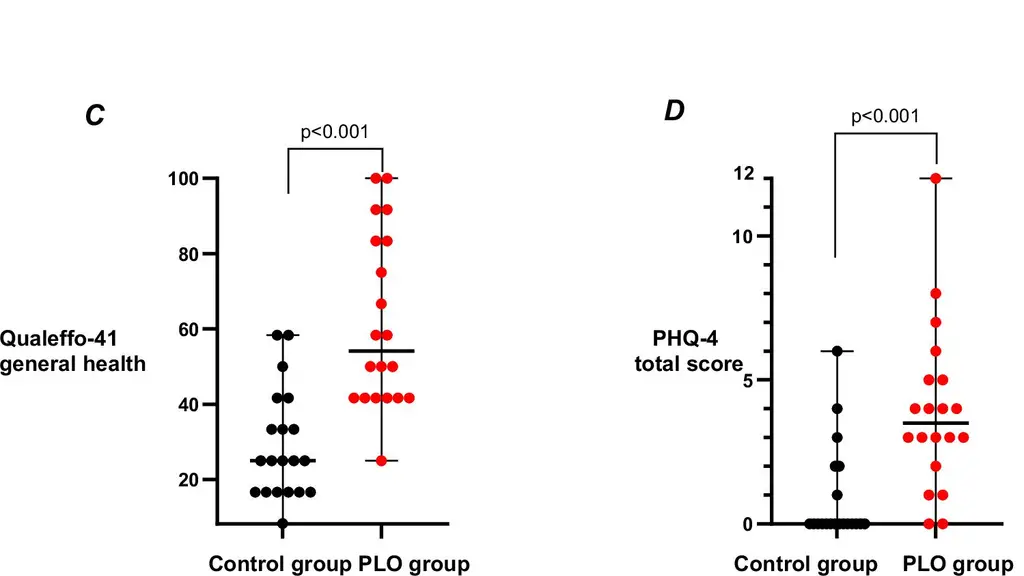
    The women with PLO had an average of nearly seven fractures each, and 90% had spinal fractures. The average time from the onset of pain to diagnosis was nearly six months, with some women waiting up to two years.

    All 20 participants said the health care professionals they consulted had not initially recognized or understood their condition. Compared with control mothers, women with PLO reported more pain and fatigue and lower emotional well-being scores — 64 out of 100 versus 88 out of 100.

    More than half of the women with PLO described increased anxiety, including panic attacks; one in four experienced depression or persistent low mood. Three participants were diagnosed with post-traumatic stress disorder, and half sought professional psychological help.

    Every participant described feeling guilty about being unable to care for her baby as she had hoped. Two-thirds spoke of losing out on the early experience of motherhood, and half said fear of further fractures deterred them from having more children.

    PLO is a rare condition in which young women develop fragility fractures, most often in the spine. It typically occurs in late pregnancy or in the months of breastfeeding after giving birth. The authors note that breastfeeding itself does not cause PLO; the condition is associated with an underlying vulnerability in the bones.

    The researchers urge clinicians to consider PLO when severe back pain or height loss occurs in late pregnancy or during breastfeeding. After diagnosis, they recommend regularly assessing quality of life and mental health. The authors also point to the need for larger prospective studies across multiple medical centers.
  2. Medicine & Research updated 22:13

    Unvaccinated Centre County resident dies of measles

    Measles cases have reached 1,638 across 46 counties, and the state has administered more than 7,400 vaccine doses at nearly 300 temporary clinics.

    Unvaccinated Centre County resident dies of measles
    Photo: Fox News

    The Pennsylvania Department of Health said an unvaccinated Centre County resident died of measles. It was the state’s ninth measles-related death this year.

    Fox News has the details. Also reporting: Ars Technica.

    The state dashboard shows 1,638 confirmed measles cases across 46 counties, including 49 new infections.

    Hospitalizations rose from 315 to 330. Just five confirmed cases involved vaccinated people.

    The state’s eighth measles death was confirmed before this one: the person who died was an unvaccinated Clinton County resident. Pennsylvania’s outbreak has continued since April.

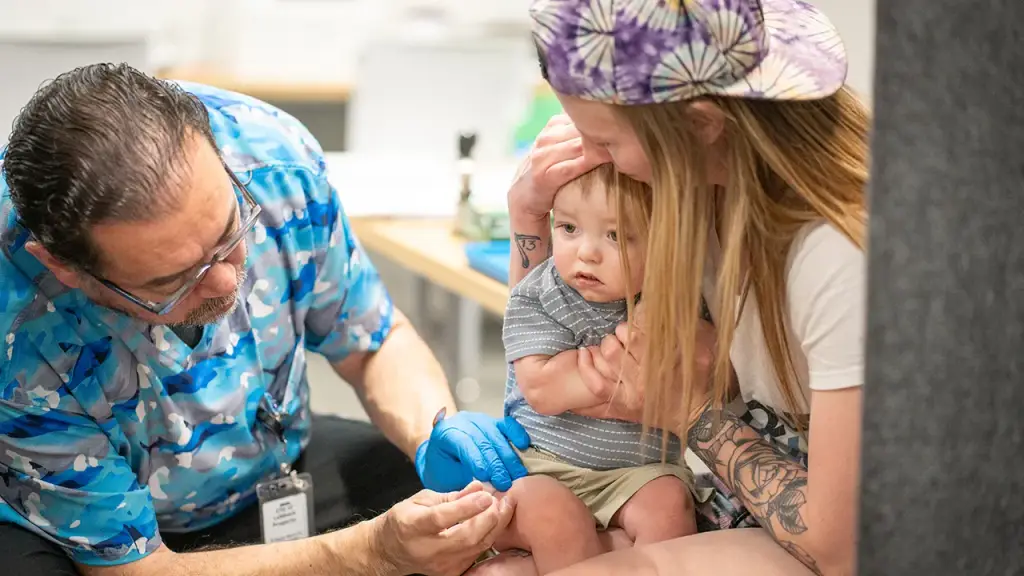
    The state health department has administered more than 7,400 doses of measles, mumps and rubella vaccine at nearly 300 pop-up clinics. Officials plan to establish dozens more temporary sites in the coming weeks and months. Pennsylvania and federal health authorities are urging residents to get vaccinated against measles, mumps and rubella.

  3. Medicine & Research

    Paxlovid linked to 12% lower risk of long COVID

    The association was found among adults at high risk for severe illness; results were inconclusive for people at low risk.

    Paxlovid linked to 12% lower risk of long COVID
    Photo: Medical Xpress

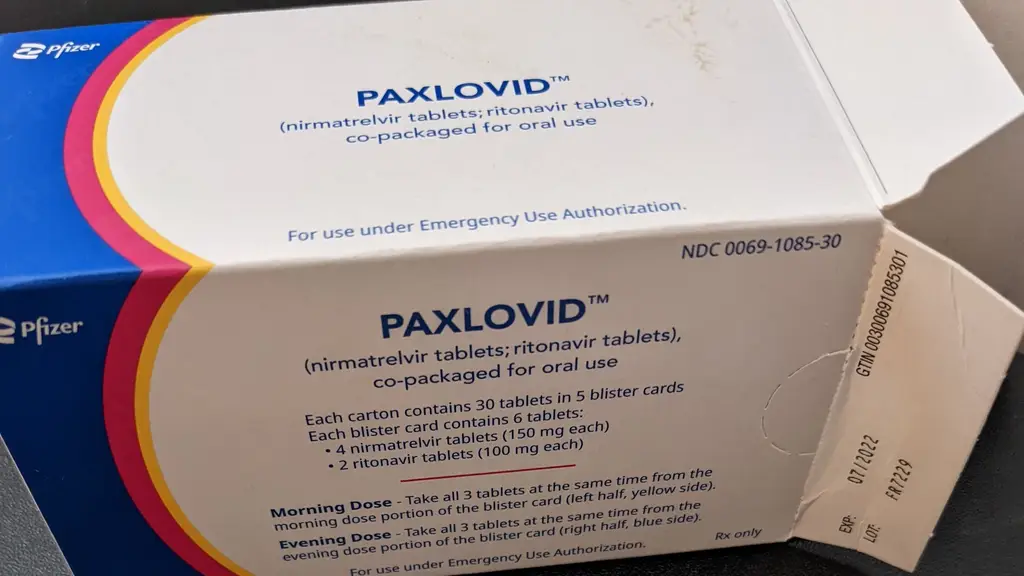
    Researchers analyzed data from 497,499 people who tested positive for COVID-19 between March 1, 2022, and February 28, 2023. Among adults at high risk for severe illness, taking Paxlovid was associated with a 12% lower risk of long COVID. The study evaluated the drug when prescribed within five days of infection.

    Medical Xpress reported the news.

    Researchers estimated that this amounted to 30 fewer cases of long COVID per 1,000 people. In this group, Paxlovid was also associated with a 30% lower rate of hospitalization and a 47% lower rate of death from any cause in the 180 days after infection.

    The data were analyzed by researchers led by a team from Weill Cornell Medicine. Among people with at least one risk factor for severe COVID-19, 159,659 received at least one dose of Paxlovid during the acute infection. Another 272,048 did not receive the drug.

    Those who took the drug were also less likely to be diagnosed with cognitive issues, sleep problems, joint pain, fatigue, shortness of breath, and changes in smell and taste. For people younger than 50 at low risk for severe illness, the association between taking Paxlovid and long COVID was inconclusive.

    The findings were published in PLOS Global Public Health. The study was observational, not randomized, so other factors may have affected the results.

    The authors counted only new diagnoses and did not assess worsening of existing conditions after COVID-19. The researchers also could not verify whether participants took Paxlovid as prescribed.

  4. Medicine & Research updated 23:55

    CAR T-cell therapy targeting B cells better removed the source of autoantibodies in mice

    Some B cells and their descendants persisted for more than 200 days, while the plasma cells producing autoantibodies were relatively short-lived.

    CAR T-cell therapy targeting B cells better removed the source of autoantibodies in mice
    Photo: Medical Xpress

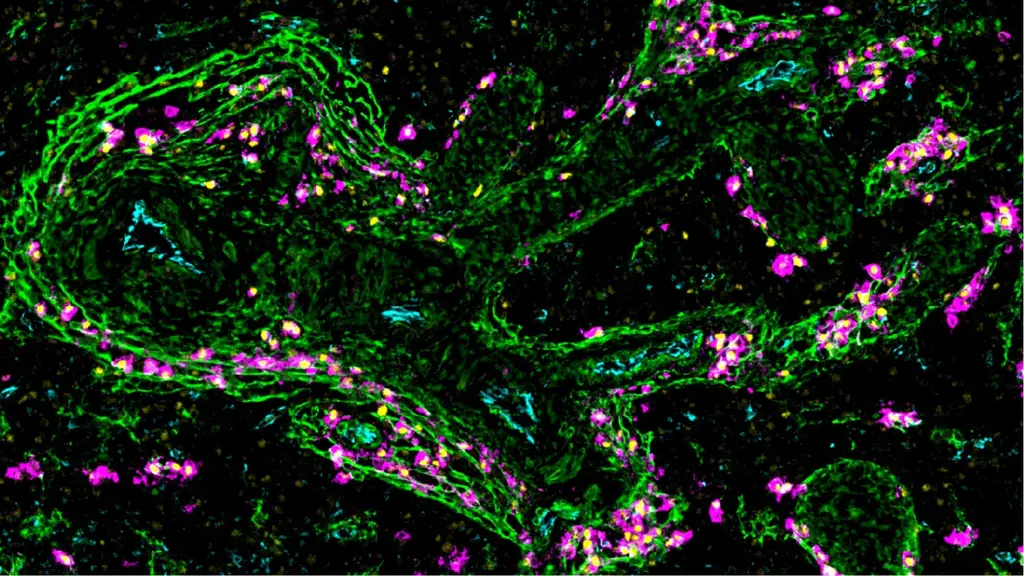
    In mice with a mutation that is a genetic driver of lupus, CAR T-cell therapy targeting B cells removed the source of autoantibodies more effectively than therapy targeting plasma cells, researchers found. The results were published in Cell.

    Source: Medical Xpress.

    CAR T-cell therapy genetically modifies a person’s own T cells so they can recognize and attack specific cell types.

    Researchers genetically traced the origins of autoantibodies in mice with a mutation that is a genetic driver of lupus. They found that autoantibody-producing plasma cells accumulated in the spleen but were relatively short-lived. New B cells continually replenished them; some of those B cells or their descendants persisted for more than 200 days.

    Researchers tested CAR T-cell therapy targeting B cells and plasma cells. Both approaches reduced autoantibodies and increased the mice’s survival, but the autoantibodies returned after a few weeks.

    After B cells were targeted, newly formed cells produced the returning autoantibodies. After plasma cell-targeting therapy, some of the original cells survived and continued to produce autoantibodies.

    Researcher Carola Vinuesa emphasized the limitations of mouse models. Comparing different types of CAR T-cell therapy in people is more complicated, she said, and requires long-term monitoring.

    Vinuesa noted that some plasma cells may live longer in certain inflamed human tissues, including the kidneys. Researchers do not yet know how this affects the risk of relapse.

    The team hopes to investigate whether combining CAR T-cell therapy with additional treatment could help people with recurring lupus. Such treatment could block the genetic driver or prevent new rogue B cells from developing.

  5. Medicine & Research

    Pharmacist warns about risks of seven-drug antimicrobial kits

    These kits are intended to treat infections buyers diagnose themselves. Kufel warns that without clinical evaluation, they can lead to incorrect treatment and contribute to antimicrobial resistance.

    Pharmacist warns about risks of seven-drug antimicrobial kits
    Photo: Medical Xpress

    Wesley Kufel, a clinical professor of pharmacy practice, published a review of the risks of kits containing prescription antimicrobials in Clinical Infectious Diseases. One kit he saw advertised contained seven drugs.

    The story was published by the news site Medical Xpress.

    The kits are sold online with minimal screening. Kufel said one was sent to a customer’s home after a phone call and completion of a brief medical history form.

    Kufel said that without a clinical examination, testing and guidance from a health care professional, people may use the drugs incorrectly or unnecessarily. This can cause side effects and drug interactions, as well as contribute to antimicrobial resistance.

    Kufel cites a kit containing 25 ivermectin tablets, each with a 12 mg dose. He warns that limited or unclear instructions can make use of the drug unsafe or ineffective. According to Kufel, incorrect or unsupervised use of ivermectin can cause neurological side effects, including confusion, gait imbalance and seizures.

    Kufel also notes that the kits are not covered by insurance and can be purchased only with cash. He urges pharmacists to explain the risks of taking antimicrobials without medical supervision to patients.