Medicine & Research

  1. Medicine & Research

    Gaza reports 272 meningitis cases in October

    OCHA reported 413 suspected cases, while the World Health Organization said microbial contamination in water had increased.

    Gaza reports 272 meningitis cases in October
    Photo: The Guardian

    Gaza’s health ministry issued an epidemic alert after meningitis cases rose. Senior ministry official Nidal Ghoneim said 272 cases were recorded in the territory in October.

    The story was published by the news site The Guardian.

    The usual monthly total is 30 to 50 cases. Ghoneim also said 15 Palestinians had died of meningitis.

    The UN’s humanitarian agency (OCHA) reported 413 suspected meningitis cases in Gaza from September 27 to October 31: 294 viral and 119 bacterial. About 68% were recorded in Gaza City.

    The agency said the increase could be linked to overcrowded tents and schools, worsening shelter and sanitation conditions, and exposure to unsafe water.

    Before the war, an aquifer supplied 80% of the territory’s water. It is now contaminated by seawater and wastewater, making the water unfit for human consumption.

    In September, the World Health Organization reported a rise in microbial contamination in water. The share of samples with microbial contamination increased from less than 6% in January to nearly 20% in August.

  2. Medicine & Research updated 23:56

    JAMA analysis finds menopause hormone therapy dispensing rose 141%

    In June, 4.9 million medications were dispensed to cisgender women ages 40 to 74 in the U.S. Dispensing increased both before and after the black box warning changed.

    JAMA analysis finds menopause hormone therapy dispensing rose 141%
    Photo: STAT News

    In June, 4.9 million menopause hormone therapy medications were dispensed to cisgender women ages 40 to 74 in the U.S. That was about 141% more than the roughly 2.1 million medications dispensed each month from July 2023 through February 2024. An analysis of national data reporting these figures was published in JAMA.

    This was reported by the news site STAT News.

    The study found that dispensing rose both before and after the FDA’s decision. In November 2025, the U.S. Food and Drug Administration (FDA) removed the black box warning from menopause hormone therapy medications.

    The comparison is based on the number of medications dispensed per month: 4.9 million in June, compared with roughly 2.1 million each month from July 2023 through February 2024. The figures refer to medications, not the number of women who received them.

  3. Medicine & Research updated 23:56

    Monocytes follow the same path to become macrophages in mice

    The type of challenge affected how quickly the cells matured, but not their final type.

    Monocytes follow the same path to become macrophages in mice
    Photo: Medical Xpress

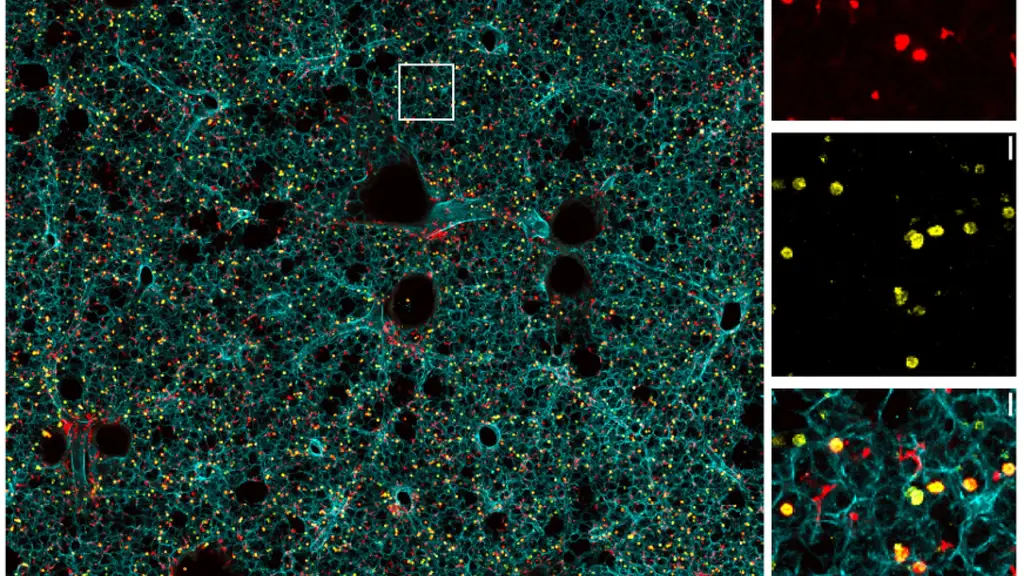
    Researchers at the Francis Crick Institute and Calum Bain’s team in Glasgow compared mice after infection with influenza or respiratory syncytial virus (RSV) with mice whose fetal-derived macrophages had been depleted with a drug. In all groups, monocytes eventually developed into the same type of alveolar macrophage. The results were published in Nature Immunology.

    Details were published by Medical Xpress.

    In one group, researchers depleted fetal-derived macrophages with a drug, without infection or tissue damage. Macrophages that developed from monocytes showed increased levels of the same pro-inflammatory molecules across all groups.

    Essentially, after any type of lung challenge, the incoming immune cells intrinsically ‘know’ where they need to end up.

    Andreas Wack, Head of the Immunoregulation Laboratory at the Francis Crick Institute

    Depleting fetal-derived macrophages without prior infection protected mice from bacterial pneumonia. Chrysante Iliakis, a postdoctoral researcher in Wack’s lab, explained that replacing the macrophage population was enough to provide this protection.

    Alveolar macrophages are immune cells that patrol the airspaces of the lungs. Wack said their stronger response to bacteria can be a problem in inflammatory lung conditions, including asthma.

    Wack’s next step is to find out how long the new cells remain more sensitive to threats. His team is also studying whether the speed at which monocytes mature can be changed and assessing the potential for using this in therapy.

  4. Medicine & Research updated 23:56

    Fertility awareness methods used by 7% to 8% of U.S. contraceptive users

    In three Mountain West states, use nearly doubled over four years. Nationwide trend data are expected in 2027.

    Fertility awareness methods used by 7% to 8% of U.S. contraceptive users
    Photo: Medical Xpress

    Fertility awareness-based methods were used by 7% to 8% of U.S. contraceptive users ages 18 to 44 in 2022–2023, according to a survey-based study.

    The report comes from Medical Xpress.

    In Utah, Nevada and Idaho, the share of users of these methods rose from 7.5% in 2022 to 14.5% in 2026. The study does not establish whether a similar change occurred nationwide.

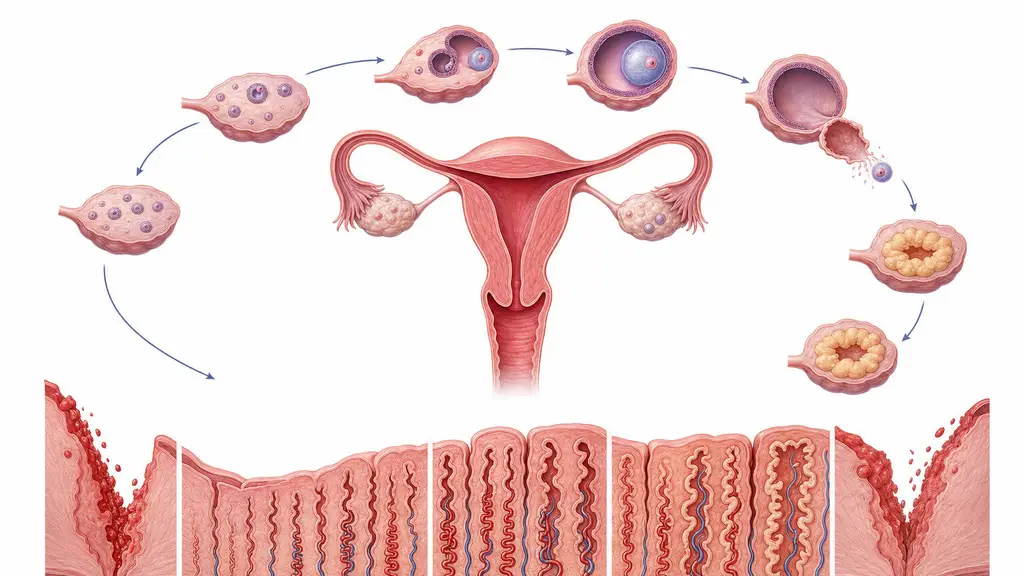
    Fertility awareness-based methods involve tracking fertile and infertile periods to prevent pregnancy. They were more widely used than contraceptive implants and vasectomies.

    Earlier surveys may have missed some users of these methods because they recorded only the most effective contraceptive method a person reported using. As a result, someone combining a fertility awareness-based method with condoms may have been counted only as a condom user.

    The researchers say it is an oversimplification to classify all fertility awareness-based methods as the least effective: effectiveness depends on the specific approach. Rebecca Simmons, the study’s senior author and a research associate professor at University of Utah Health, said the rhythm method is not very effective. Some other approaches, she said, may be comparable in effectiveness to pills or patches.

    The study found no association between use of these methods and any particular religion. The authors say more research is needed to understand which methods people choose and why.

    The researchers say health care providers need to know about these methods and be able to counsel patients who use them or want to use them.

  5. Medicine & Research updated 23:56

    86% of Los Angeles participants experiencing homelessness completed buprenorphine injection series

    None of the 39 participants experienced severe withdrawal, and 88% were still receiving monthly injections three months later.

    86% of Los Angeles participants experiencing homelessness completed buprenorphine injection series
    Photo: Medical Xpress

    A street medicine team in Los Angeles used a three-day buprenorphine injection series with 39 people with opioid use disorder.

    Medical Xpress has the details.

    The study found that 86% of participants completed the series and 88% remained on monthly injections after three months. The study was published November 24 in The Annals of Family Medicine.

    For the first two days, participants received a low dose of a weekly formulation each day. On the third day, they received a high dose of a monthly formulation. The injections were given where participants lived, including encampments and temporary housing.

    Buprenorphine is the gold-standard medication for opioid use disorder. Taking it under the tongue requires careful timing: if opioids, including fentanyl, are still in the body, it can trigger sudden, severe withdrawal.

    To avoid this risk, patients must either stop using opioids and wait until they have significant withdrawal or gradually increase their dose over several days. Both approaches can be especially difficult for people without stable housing. The authors said the early results show that the injection series is feasible for this population.