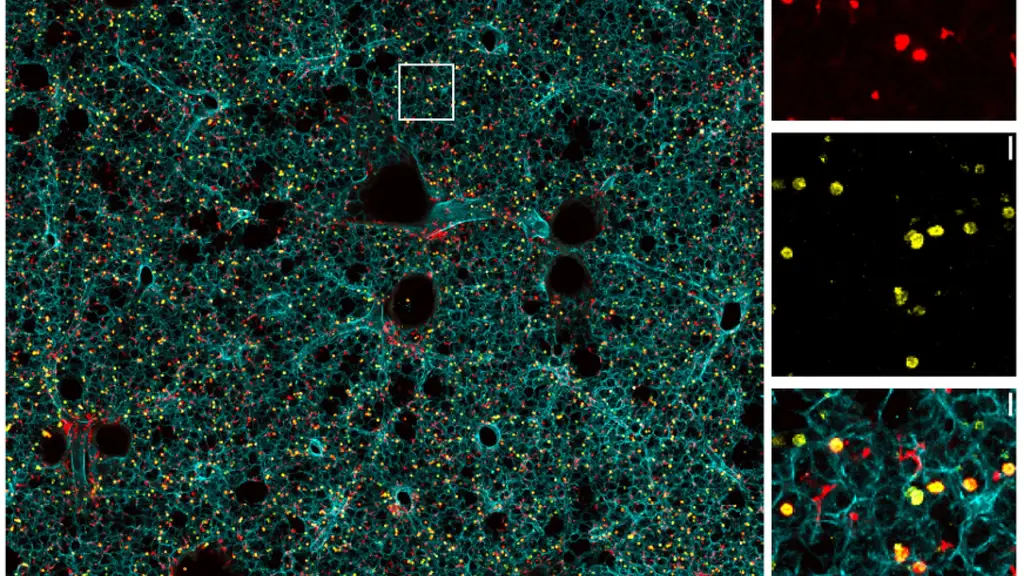
Researchers at the Francis Crick Institute and Calum Bain’s team in Glasgow compared mice after infection with influenza or respiratory syncytial virus (RSV) with mice whose fetal-derived macrophages had been depleted with a drug. In all groups, monocytes eventually developed into the same type of alveolar macrophage. The results were published in Nature Immunology.
Details were published by Medical Xpress.
In one group, researchers depleted fetal-derived macrophages with a drug, without infection or tissue damage. Macrophages that developed from monocytes showed increased levels of the same pro-inflammatory molecules across all groups.
Essentially, after any type of lung challenge, the incoming immune cells intrinsically ‘know’ where they need to end up.
Andreas Wack, Head of the Immunoregulation Laboratory at the Francis Crick Institute
Depleting fetal-derived macrophages without prior infection protected mice from bacterial pneumonia. Chrysante Iliakis, a postdoctoral researcher in Wack’s lab, explained that replacing the macrophage population was enough to provide this protection.
Alveolar macrophages are immune cells that patrol the airspaces of the lungs. Wack said their stronger response to bacteria can be a problem in inflammatory lung conditions, including asthma.
Wack’s next step is to find out how long the new cells remain more sensitive to threats. His team is also studying whether the speed at which monocytes mature can be changed and assessing the potential for using this in therapy.