Fertility awareness-based methods were used by 7% to 8% of U.S. contraceptive users ages 18 to 44 in 2022–2023, according to a survey-based study.
The report comes from Medical Xpress.
In Utah, Nevada and Idaho, the share of users of these methods rose from 7.5% in 2022 to 14.5% in 2026. The study does not establish whether a similar change occurred nationwide.
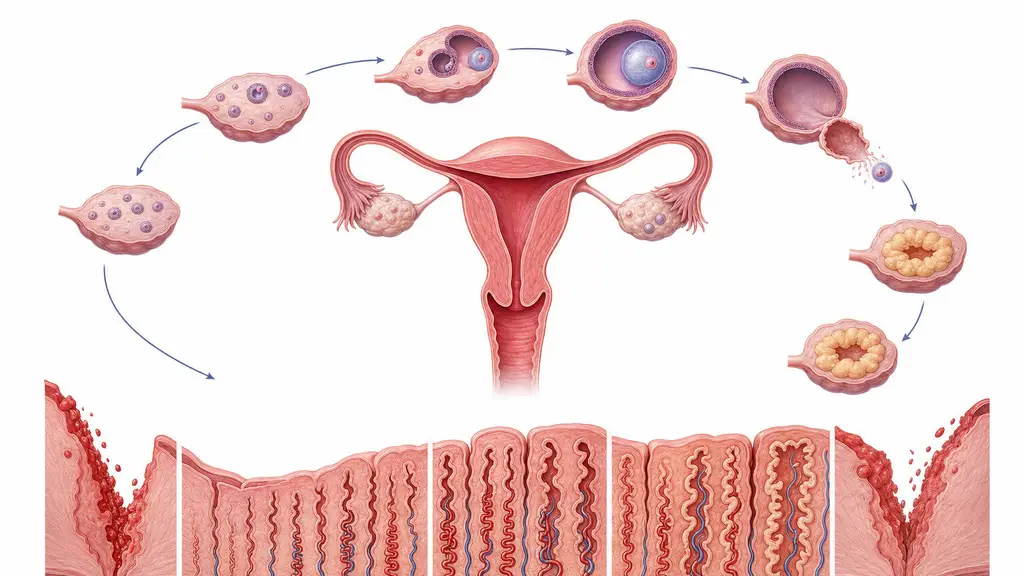
Fertility awareness-based methods involve tracking fertile and infertile periods to prevent pregnancy. They were more widely used than contraceptive implants and vasectomies.
Earlier surveys may have missed some users of these methods because they recorded only the most effective contraceptive method a person reported using. As a result, someone combining a fertility awareness-based method with condoms may have been counted only as a condom user.
The researchers say it is an oversimplification to classify all fertility awareness-based methods as the least effective: effectiveness depends on the specific approach. Rebecca Simmons, the study’s senior author and a research associate professor at University of Utah Health, said the rhythm method is not very effective. Some other approaches, she said, may be comparable in effectiveness to pills or patches.
The study found no association between use of these methods and any particular religion. The authors say more research is needed to understand which methods people choose and why.
The researchers say health care providers need to know about these methods and be able to counsel patients who use them or want to use them.