Medicine & Research

  1. Medicine & Research updated 23:57

    Researchers isolate blood particles to assess heart health

    The approach could help track molecular changes in heart muscle without taking a tissue sample.

    Researchers isolate blood particles to assess heart health
    Photo: Medical Xpress

    Researchers from the Mass General Brigham Heart and Vascular Institute co-led a study on tracking molecular changes in the heart using cardiovesicles in blood. The findings were published in Cell.

    Original source — Medical Xpress.

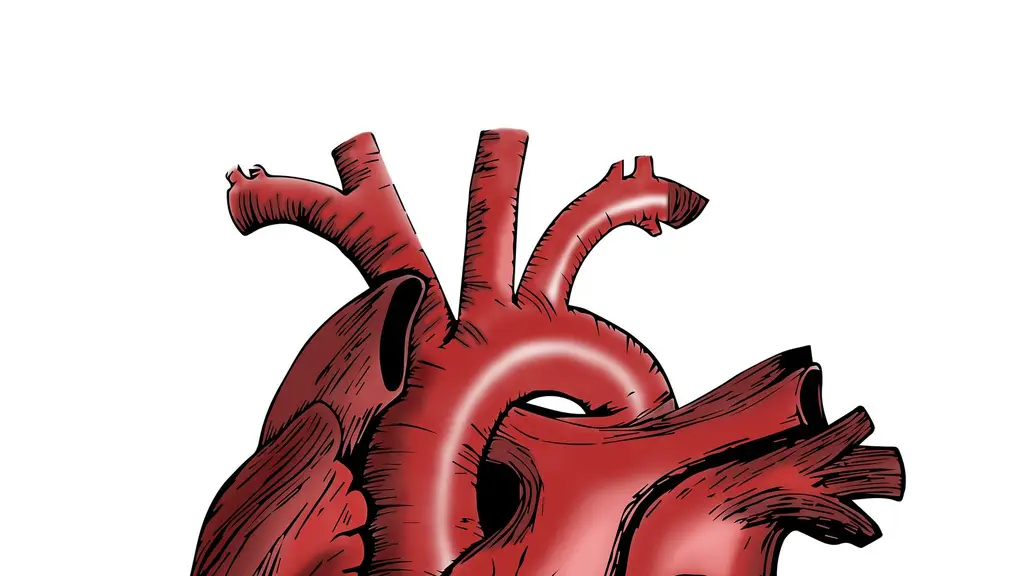
    Cardiovesicles are extracellular membrane particles released by heart muscle cells. The team identified the heart-cell markers POPDC2 and CHRNE, then used antibodies against them to isolate vesicles from blood.

    In samples from patients with heart failure or a history of heart attack, the vesicles contained RNA transcripts that reflected known molecular patterns associated with those conditions.

    During and after cardiopulmonary bypass surgery, the analysis detected real-time signs of changes in heart muscle cells’ stress responses. In some cases, vesicle RNA reflected differences between conditions identified through heart tissue biopsies.

    Saumya Das, a co-senior author and physician-investigator, said future studies could test whether vesicle RNA can track responses to treatment. It could also help identify cardiovascular disease subtypes and predict their progression. Applying the method to other organs that are difficult to sample could broaden the use of cell-type-specific liquid biopsies.
  2. Medicine & Research updated 23:57

    Repeated pressure increased melanoma lymph node metastases in mice

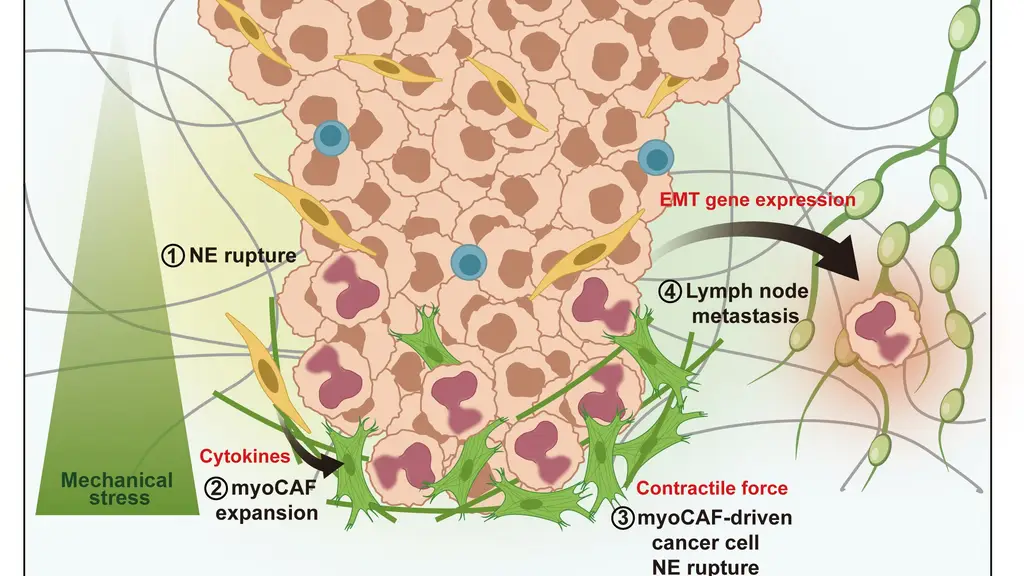
    Contractile cells around tumors worsened damage to cancer cells’ nuclear envelopes. The mouse study also found a reduced response to immunotherapy.

    Repeated pressure increased melanoma lymph node metastases in mice
    Photo: Medical Xpress

    The Korea Advanced Institute of Science and Technology (KAIST) announced the findings Nov. 22. Teams from KAIST and Gangnam Severance Hospital at Yonsei University transplanted melanoma cells into mice’s footpads and repeatedly applied mechanical stimulation. The study was published Oct. 20 in Cancer Research.

    Source: Medical Xpress.

    In mice, repeated stimulation was accompanied by increased melanoma metastasis to the lymph nodes and a reduced response to immunotherapy. In patient samples, tumors in high-pressure areas were more often associated with changes in surrounding tissues and lymph node metastases. This association alone does not show that pressure caused the metastasis.

    After stimulation, tissues contained more contractile myofibroblasts marked by LRRC15. These changes were most pronounced at the edges of tumors exposed to greater stimulation.

    The researchers found that myofibroblasts contributed to damage to the cancer cells’ nuclear envelopes. Genetically destabilizing the envelopes also changed surrounding cells. The researchers said the findings point to a possible cycle of reciprocal influence between cancer cells and surrounding tissues.

    In patient samples, these changes were not directly associated with overall survival. The study did not develop a treatment to interrupt this cycle. Further research is needed to determine whether the findings could help limit metastasis or improve patient treatment outcomes.

  3. Medicine & Research updated 23:57

    Researchers create digital brain models of nearly 7,000 people

    The models helped examine links between brain function, aging, dementia and environmental conditions. Researchers plan to test whether they can predict changes over time.

    Researchers create digital brain models of nearly 7,000 people
    Photo: Medical Xpress

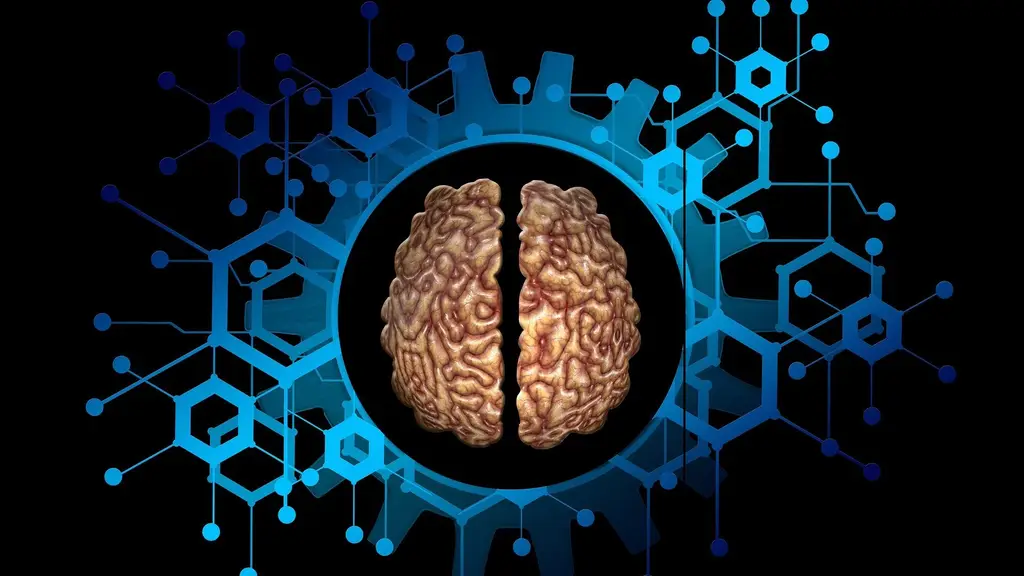
    An international team created biophysical digital brain models of 6,986 people from 16 countries to investigate how aging, neurodegenerative diseases and the environment relate to brain function. The study was published in Nature Biomedical Engineering.

    Details were published by Medical Xpress.

    Researchers used functional magnetic resonance imaging (fMRI) data to build each model. They simulated 90 connected brain regions and calibrated the models so their signals matched participants’ resting-state recordings. Participants ranged in age from 18 to 100.

    The models helped estimate processes that may shape fMRI signals, including the balance between neural excitation and inhibition. Researchers found differences associated with age, sex and diagnosis. In particular, healthy participants and people with mild cognitive impairment, Alzheimer’s disease or frontotemporal degeneration differed across several features of brain activity.

    The analysis also found associations between brain function measures and seven of the 10 environmental domains examined. The strongest associations involved democratic conditions, soil and water quality, and air pollution. These are associations, not proof that the factors cause changes in brain activity.

    The authors say the next step is to test whether the models can predict changes observed in people over time or after an intervention. The researchers also released the code and model parameters so other scientists can reproduce and extend the analysis.

  4. Medicine & Research updated 23:57

    Researchers identify mutations that make cancer resistant to PI3Kα inhibitors

    Combining investigational drugs with approved PI3Kα inhibitors suppressed resistant cancer cells in lab models and kept tumors in check longer in mice.

    Researchers identify mutations that make cancer resistant to PI3Kα inhibitors
    Photo: Medical Xpress

    A team led by researchers at the Mass General Brigham Cancer Institute analyzed tumor DNA levels in blood samples from 32 patients before and after treatment. The patients had PIK3CA-mutant, hormone receptor-positive metastatic breast cancer and received the investigational PI3Kα inhibitors zovegalisib or tersolisib. Results were published in Cancer Discovery.

    More details are available from Medical Xpress.

    After treatment, patients developed additional PIK3CA mutations. Many clustered around the part of the PI3Kα enzyme where the investigational drugs bind. Researchers tested these changes in cell models and confirmed which ones led to acquired resistance.

    Low doses of approved PI3Kα inhibitors combined with the investigational drugs suppressed resistant cancer cells in lab models. In mice, the combination suppressed tumors longer than either treatment alone.

    Dejan Juric, a study co-author and an oncologist at the Mass General Brigham Cancer Institute, said PIK3CA mutations could be monitored during treatment. This could help assess the likelihood of disease progression and inform decisions about switching to other treatments.

    Some next-generation PI3Kα inhibitors are in Phase II and III clinical trials for hormone receptor-positive, HER2-negative breast cancer and other advanced tumors.

  5. Medicine & Research

    CDC reports 426 new measles cases in the U.S.

    Nearly 6 in 10 patients are children or teens, and 96% of cases are among people who are unvaccinated or whose vaccination status is unknown.

    CDC reports 426 new measles cases in the U.S.
    Photo: Medical Xpress

    The Centers for Disease Control and Prevention (CDC) reported 426 new measles cases in one week. As of November 23, the U.S. total had reached 5,838.

    The report comes from Medical Xpress.

    It was the 15th straight week that the weekly increase in U.S. cases reached triple digits.

    Wisconsin reported 181 new cases in a week, bringing its total for the year to 832. More than a quarter of the state’s cases were reported in Grant County.

    Pennsylvania reported 1,631 cases this year, including 97 new cases in a week. Minnesota’s total reached 203, and Indiana’s reached 227.

    Eleven U.S. residents were reported to have died from measles-related complications in 2026, including eight in Pennsylvania. The CDC currently recognizes six such deaths and is working with the Council of State and Territorial Epidemiologists to develop a standardized definition of a measles-related death.

    Two doses of the measles vaccine are 97% effective at preventing infection. Wisconsin recommends an early vaccine dose for babies as young as 6 months from families or communities likely to be exposed to the virus. Pennsylvania advises an early dose for babies who live in areas where measles has been detected or will visit those areas.