Medicine & Research

  1. Medicine & Research

    Researchers model cinnamon’s lead impact on children ages 3 to 5

    Models suggest that even frequent consumption of cinnamon with low lead levels is unlikely to raise children’s blood lead above typical levels in the U.S. But the spice may add to exposure from other sources.

    Researchers model cinnamon’s lead impact on children ages 3 to 5
    Photo: Medical Xpress

    Researchers at the University at Buffalo School of Public Health and Health Professions analyzed ground cinnamon samples bought from stores in Western New York. The team then modeled the spice’s potential impact on blood lead levels in children ages 3 to 5. The findings were published Nov. 3 in the Journal of Xenobiotics.

    This was reported by Medical Xpress.

    Most samples tested contained less lead than New York state’s current action level for spices. Principal investigator Katarzyna Kordas said that even frequent consumption of cinnamon with low lead levels is unlikely to raise children’s blood lead levels above typical levels for children in the U.S.

    Lead levels vary across products, and the metal can also come from water, air, soil and other foods. Contaminated cinnamon may therefore add to overall lead exposure, especially when consumed daily and in large amounts.

    The researchers also used biokinetic models to assess different cinnamon consumption scenarios. They estimated how many servings of cinnamon-containing dishes could exceed the FDA’s daily lead limit for children.

    Kordas said lead can get into cinnamon from the soil where the trees grow or during processing. She also noted that the deliberate addition of lead compounds to increase spices’ weight or change their color is rare, but has occurred in other countries.

    New York state will lower its action level for lead in spices in 2028. Kordas said health authorities and regulators should set limits that account for lead exposure from multiple sources.

    The researchers advise parents to consider other sources of lead, too. Ways to reduce exposure include installing water filters, monitoring walls and windows for chipping paint, and using doormats at entryways.

  2. Medicine & Research

    Study: KneeCAPS reduced impairment from knee osteoarthritis

    Study lead Ben Darlow also reported that participants used fewer medications to manage pain and had fewer hospital admissions, including to emergency departments.

    Study: KneeCAPS reduced impairment from knee osteoarthritis
    Photo: Medical Xpress

    The University of Otago, Wellington, conducted a 12-month randomized controlled trial in New Zealand of the Knee Care for Arthritis through Pharmacy Service (KneeCAPS). The trial included more than 240 people with knee osteoarthritis and 26 community pharmacies. More than 70 dietitians and physiotherapists took part in the program. The study was published in The Lancet Regional Health—Western Pacific.

    Original source — Medical Xpress.

    Researchers assessed whether KneeCAPS reduced pain, functional impairment and costs. The trial found that the program reduced functional impairment and was cost-effective.

    Participants received information about osteoarthritis and ways to improve their well-being. A pharmacist consulted with them to set goals and develop an action plan.

    Depending on participants’ needs, dietitians developed nutrition programs, while physiotherapists created programs for strengthening and physical activity. Pharmacists also reviewed participants’ medications.

    Osteoarthritis is experienced unequally by Māori, so we set out to make a culturally responsive program and ensure high Māori participation, to improve outcomes for all participants.

    Ben Darlow, Professor and study lead

    Darlow said the study’s primary data did not provide enough certainty about the program’s effectiveness for Māori participants. However, written survey responses reflected positive outcomes.

    Darlow said knee osteoarthritis is a long-term condition that causes pain and limits activity. It affects 1 in 4 adults in New Zealand, and most people living with the condition lack access to care and advice.

    Darlow said the program is ready to be implemented and can be adapted to the needs of different communities and the resources available to them.

  3. Medicine & Research updated 23:57

    Blood test predicted leukemia treatment response a year later

    Researchers analyzed blood samples collected before the first dose and one or three hours afterward. The method still needs testing in larger, independent patient groups.

    Blood test predicted leukemia treatment response a year later
    Photo: Medical Xpress

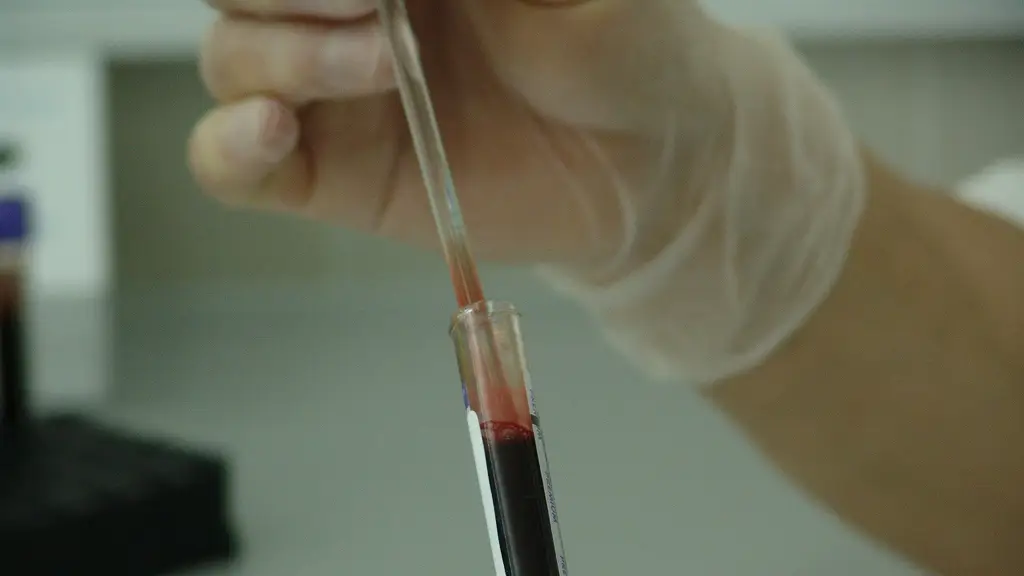
    In a study published in Signal Transduction and Targeted Therapy, researchers analyzed blood samples from 81 patients newly diagnosed with chronic myeloid leukemia (CML). The study covered two clinical trials.

    Original report: Medical Xpress.

    Samples were collected before the first dose, then one hour after dasatinib or three hours after nilotinib. The measurements helped a model predict the number of leukemia cells in the blood 12 months later.

    Using mass cytometry, the team measured more than 40 proteins in each cell and identified 37 types of blood and immune cells. In total, the researchers analyzed 44 million cells from patients and healthy volunteers.

    A machine-learning model combined the measurements into individual profiles. They predicted how much leukemia would remain in the blood after 12 months. Their predictive accuracy was at least as good as, and in some cases better than, the risk score doctors use at diagnosis.

    Today, patients and doctors have to wait months to learn whether a treatment is working. Our results show that important clues are already in the blood within hours of the first tablet.

    Stein-Erik Gullaksen, researcher who led the work

    For dasatinib, the amount of leukemia at the start and the activity of T cells and natural killer cells were linked to the predictions. For nilotinib, survival and cell-death signals in rare stem-cell-like leukemia cells were important.

    The findings provide the scientific basis for the upcoming SWITCH clinical trial in Bergen. It will test whether early single-cell analysis can be used to guide drug choice in real time. The researchers say the method first needs to be confirmed in larger, independent patient groups.

  4. Medicine & Research

    Task force votes privately on three preventive health recommendations

    The discussion was livestreamed to the public for the first time. The recommendations cover cervical cancer screening, perinatal depression and alcohol use.

    Task force votes privately on three preventive health recommendations
    Photo: STAT News

    The U.S. Preventive Services Task Force held its first meeting since March 2025. Its 16 members voted on recommendations for cervical cancer screening, perinatal depression and unhealthy alcohol use by teens and adults.

    Source: STAT News.

    The discussion was livestreamed to the public for the first time, but the votes were private. The recommendations had been awaiting completion for more than a year as Health Secretary Robert F. Kennedy Jr. repeatedly canceled meetings and largely remade the panel’s membership.

    During discussion of cervical cancer screening, members debated the Trump administration’s requirement to remove language on diversity, equity and inclusion. Roger Klein, director of the Agency for Healthcare Research and Quality, removed all sub-population data from the recommendation language.

    I worry that having edits from political leadership on the topline may lead to the perception that the task force recommendations are no longer scientifically independent

    Alicia Fernandez, member of the panel since 2025

    Some participants also voiced concern about possible bias in subject matter experts’ presentations. They asked how to explain transparently when and how artificial intelligence is used in their data and recommendations.

    Should our documentation say ‘supported by AI?’

    Ronald Karlsberg, new member
  5. Medicine & Research updated 23:57

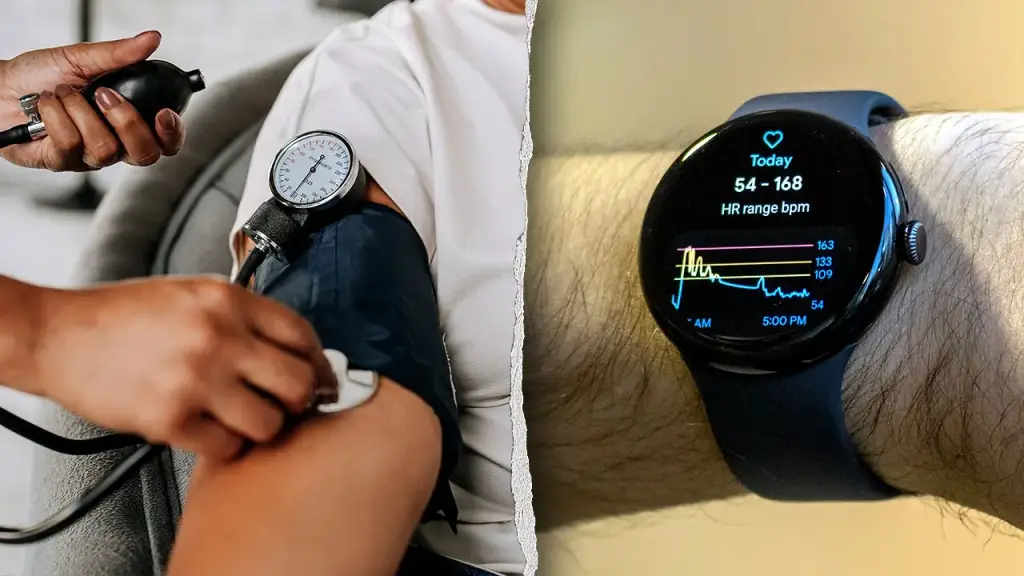
    Google researchers test smartwatch system for detecting hypertension

    In its first evaluation, the system missed about one-third of participants with hypertension. It estimates risk from sensor data but does not measure blood pressure.

    Google researchers test smartwatch system for detecting hypertension
    Photo: Fox News

    Researchers from Google, Beth Israel Deaconess Medical Center and Harvard Medical School tested an experimental artificial intelligence system. The U.S. study included 196 people at five locations who wore smartwatches for seven days.

    This was reported by the news site Fox News.

    Participants had no known cardiovascular disease and were not taking blood pressure medication. The study was published in Nature, and researchers compared the system’s results with 24-hour ambulatory blood pressure monitoring using a cuff.

    During initial screening, the system identified 65.8% of participants with hypertension. It correctly classified 90% of those who did not have the condition. Among people the system flagged as possible hypertension cases, 80.6% actually had it.

    Initial blood pressure checks in medical offices identified 55.3% of participants with hypertension. According to a Nature Portfolio summary, the difference between that result and the system’s figure was not statistically significant.

    Among 48 people whose blood pressure was elevated at their first doctor visit, the system identified 78.4% of cases of sustained hypertension. It correctly ruled out the condition in 90.9% of participants who did not have it.

    The system was trained using nearly 500,000 hours of sensor data from 2,109 participants. Its algorithm analyzed pulse and movement sensor readings, including tiny vibrations caused by the heart’s activity. It combined those data with a person’s height to estimate the likelihood of sustained high blood pressure, but did not provide specific readings.

    The experimental system is not a feature available on Pixel Watch. A blood pressure trends feature is available on eligible Pixel Watch 3, Pixel Watch 4 and Pixel Watch 5 devices, depending on the region. Google says it provides a monthly assessment and is intended for general wellness, not to diagnose hypertension.

    If the feature returns a “High” result, Google recommends checking blood pressure twice a day for seven days and sharing the results with a doctor.