Medicine & Research

  1. Medicine & Research updated 23:57

    Mouse study finds gut regions respond differently to zinc deficiency

    Microbial diversity fell in the small intestine, while the bacterial makeup of the colon shifted.

    Mouse study finds gut regions respond differently to zinc deficiency
    Photo: Medical Xpress

    Cornell University researchers fed mice either a moderately zinc-deficient diet or a zinc-adequate diet for three weeks. They examined changes in the small intestine and colon.

    More details are available from Medical Xpress.

    The zinc deficiency was moderate, and the mice remained clinically healthy. This allowed researchers to study early changes rather than the effects of advanced disease.

    In the small intestine, zinc deficiency reduced activity in genes linked to the absorptive surface and increased antimicrobial defenses. Microbial diversity in this region also fell.

    In the colon, microbial diversity remained stable, but the bacterial makeup shifted. Bacteria that feed on glycans — complex sugars in the gut’s structural framework — became more abundant. These included Clostridioides difficile, a pathogen that can use byproducts from such bacteria.

    Interferon-related immune activity increased in both regions. Activity also fell in genes that help build the colon’s structural framework. The study was published in Cellular and Molecular Gastroenterology and Hepatology.

    Tolunay Beker Aydemir, associate professor in the Division of Nutritional Sciences in Cornell University’s College of Human Ecology, said the findings show an association but do not establish a cause-and-effect relationship. Zinc may help with inflammation, she said, but could potentially be harmful for patients with some conditions, including a Clostridium infection.

    The findings may help explain why trials of zinc supplements for obesity, type 2 diabetes and inflammatory bowel disease have produced mixed results.


  2. Medicine & Research updated 23:57

    Invivyd reports 70% to 90% protection against symptomatic COVID-19

    The company plans to seek accelerated approval for the drug to prevent symptomatic infection.

    Invivyd reports 70% to 90% protection against symptomatic COVID-19
    Photo: STAT News

    Invivyd said Nov. 23 that its experimental monoclonal antibody VYD2311 showed 70% to 90% protection against symptomatic COVID-19 in the DECLARATION clinical trial, which enrolled 2,359 volunteers.

    The information comes from STAT News.

    The trial had three groups: participants received a single 250-mg dose of the antibody, monthly doses of VYD2311 or a saline placebo. The company released the results in a press release.

    During the pandemic, monoclonal antibodies were used to treat and prevent COVID-19. Their use later declined as the market contracted and people gained protection against infection.

    Invivyd executives say there is still a need for a monoclonal antibody. They say it may be more effective than existing COVID-19 vaccines for some patients.

    Michael Mina, a former infectious disease expert at Harvard University and Invivyd’s chief medical officer, believes most Americans seeking drug-based protection from COVID-19 might choose a monoclonal antibody.

    Mina said Invivyd aims to have enough supply to meet demand over the next few years.

    Invivyd plans to seek accelerated approval for VYD2311 to prevent symptomatic COVID-19.

  3. Medicine & Research

    Lack of cancer surgeons in 45% of U.S. counties linked to higher mortality

    Some 26.6 million people live in these counties. Adjusted colorectal cancer mortality was 5.8% higher than in counties with surgeons.

    Lack of cancer surgeons in 45% of U.S. counties linked to higher mortality
    Photo: Medical Xpress

    Researchers compared data from all 3,144 U.S. counties, home to 331 million people, in a cross-sectional ecological study. The results were published November 23 in the Journal of the American College of Surgeons. In 1,430 counties (45%), there was no general surgeon, surgical oncologist or colorectal surgeon.

    Medical Xpress has the details.

    A hospital was present in 55% of counties without these specialists, compared with 95% of counties where surgeons were available.

    Researchers estimated adjusted colorectal cancer mortality at 13.6 cases per 100,000 people in counties without relevant surgeons and 12.9 in other counties. The 5.8% difference was calculated after accounting for socioeconomic deprivation, rural population, region and incidence.

    Adjusted mortality was also higher for pancreatic, liver, gallbladder and bile duct cancers. Case fatality after diagnosis was higher for colorectal cancer (by 1.3%), pancreatic cancer (by 3.4%) and hepatobiliary cancer (by 3.8%).

    The share of late-stage diagnoses was higher for pancreatic cancer (by 1.9%), hepatobiliary cancer (by 4.6%), gastric cancer (by 5.8%) and esophageal cancer (by 3.3%). For colorectal cancer, stage distribution did not depend on whether a county had a surgeon, and screening rates in line with guidelines were not lower.

    The authors noted that the study design cannot establish whether the people who died were the ones without access to a local surgeon. The registry may have miscounted specialists working across multiple counties or near county borders; distance to the nearest surgeon was not calculated.

    The authors propose expanding surgeon recruitment and retention, improving patient referral pathways and cooperation between smaller hospitals and major cancer centers, and developing satellite hospitals, mobile screening centers and telemedicine. They cautioned that telemedicine may be inaccessible to older people, those with limited digital skills or those without reliable internet access. The authors also stressed that the number of surgeons alone is not enough to close gaps in access to care.

  4. Medicine & Research updated 23:58

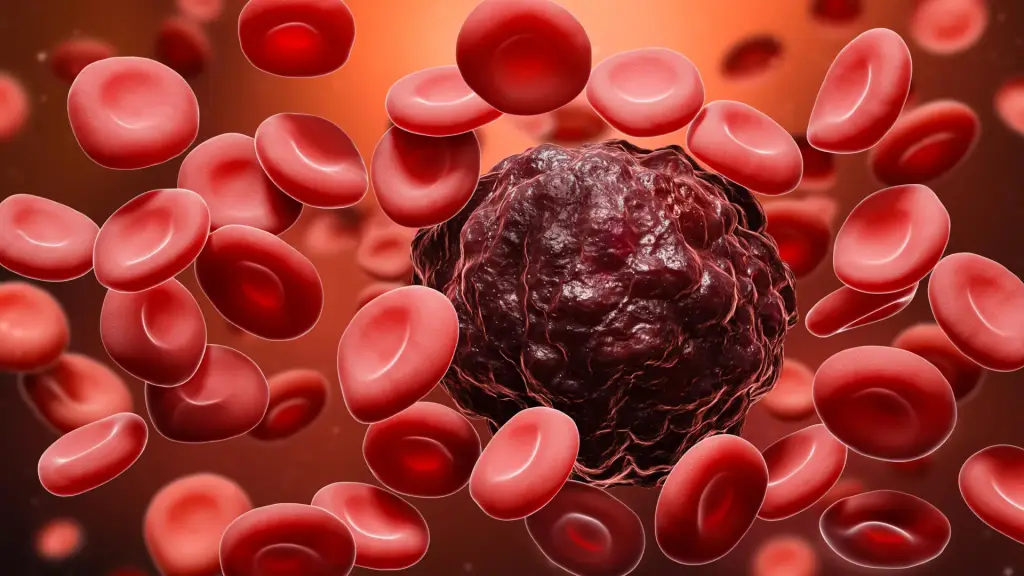
    Researchers: AML mutations may begin before age 20 in two-thirds of cases

    Researchers estimate that the first mutations may have appeared more than 50 years before diagnosis in some cases, although the oldest blood samples were collected 15 years before diagnosis.

    Researchers: AML mutations may begin before age 20 in two-thirds of cases
    Photo: ScienceDaily

    Researchers at the University of Cambridge and University College London analyzed blood samples from 47 women who were later diagnosed with acute myeloid leukemia (AML).

    ScienceDaily reported the news.

    The samples came from the UK Collaborative Trial of Ovarian Cancer Screening (UKCTOCS). Researchers compared them with samples from 46 women who did not develop blood cancer. They estimate that in two-thirds of cases, the first mutation that contributed to AML arose before the person’s 20th birthday.

    The project followed about 50,000 women who provided blood samples annually for up to 11 years. DNA sequencing and mathematical models helped researchers estimate when mutations appeared and how quickly the altered cells multiplied.

    At first, the altered cells may have taken several years to double. As they accumulated more mutations, their growth accelerated: cells with four mutations capable of driving cancer could double in a matter of weeks.

    In at least one-third of cases, one clone of mutated cells grew large enough to dominate the blood well before diagnosis. Researchers did not see this pattern in the comparison group. An analysis of UK Biobank data also found that people with evidence of these somatic sweeps had a substantially higher risk of AML.

    In about one in five cases, mutated cells became detectable only one to two years before diagnosis. Researchers did not have blood samples collected at diagnosis, so they could not directly study the final stage of the disease’s development.

    The findings were published in Nature. The authors say monitoring changes in blood cells could help identify people at increased risk earlier. Clinical studies will need to establish whether preventive intervention is safe and effective.

  5. Medicine & Research updated 23:58

    Japanese researchers test targeted periodontitis therapy

    The approach combines egg-yolk antibodies with near-infrared light. So far, it has been tested only in human cell cultures and mice.

    Japanese researchers test targeted periodontitis therapy
    Photo: ScienceDaily

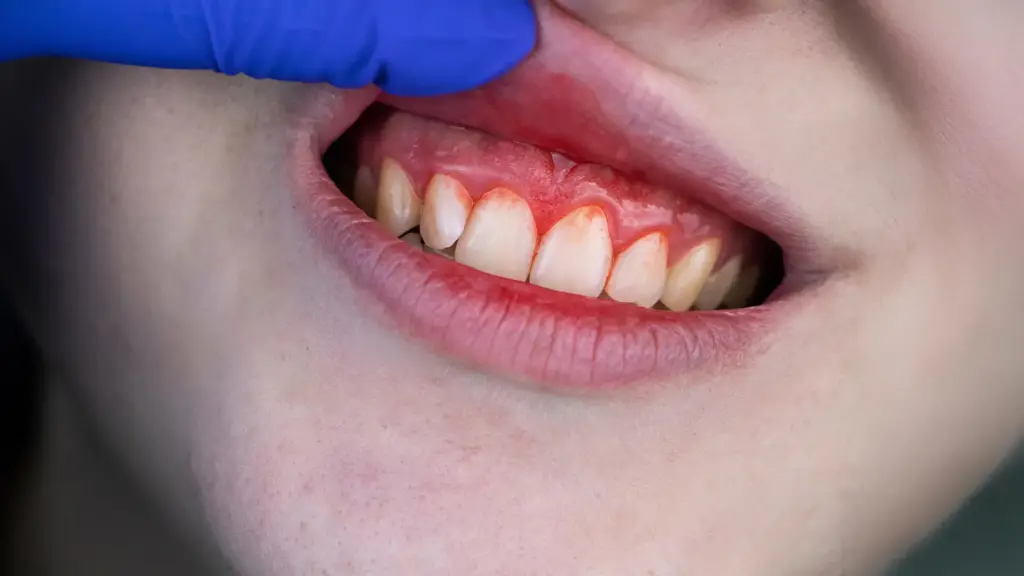
    Researchers at Nagoya University in Japan developed a periodontitis treatment and tested it in human cell cultures and mice. In experiments, the method selectively killed Porphyromonas gingivalis without harming healthy gum cells or other bacteria. The results were published in the Journal of Translational Medicine.

    This was reported by ScienceDaily.

    The method combines IgY antibodies from the egg yolks of hens immunized against P. gingivalis with a dye that responds to near-infrared light. When illuminated, the dye damages the bacteria’s outer membranes and kills them.

    In laboratory experiments, treated bacteria retained their overall shape, although their membranes had small openings. By contrast, antimicrobial photodynamic therapy broke the bacteria apart. The researchers suggest that preserving the bacteria’s structure after killing them could limit the release of substances that intensify inflammation.

    In mice with periodontitis, the experimental therapy significantly reduced the loss of alveolar bone, the part of the jaw that surrounds and supports the teeth. Saliva analysis showed that the method reduced P. gingivalis while preserving beneficial Streptococcus bacteria.

    Nagoya University lecturer Kazuhide Sato said that antibiotics and antimicrobial photodynamic therapy kill both harmful and beneficial bacteria in the mouth.

    Periodontitis is a severe form of gum disease that can lead to tooth loss. The researchers plan to use artificial intelligence (AI) to study other oral bacteria and their interactions and identify additional treatment targets. The method has not yet been tested in human clinical trials.