Medicine & Research

  1. Medicine & Research

    Study links adult tobacco and vaping at home to teen substance use

    When a parent or caregiver and another adult used tobacco or e-cigarettes, 23.5% of adolescents used tobacco or nicotine products.

    Researchers at Children’s Hospital of Philadelphia (CHOP) analyzed data from 60,069 adolescents collected during routine visits across the CHOP Care Network from January 2025 through May. The findings were published in Pediatrics.

    The information comes from Medical Xpress.

    The data combined parents’ and caregivers’ answers to tobacco screening questions with adolescents’ answers on a confidential questionnaire.

    Tobacco or nicotine product use was reported by 13.5% of adolescents when only a parent or caregiver used tobacco or e-cigarettes, and by 11.8% when only another adult in the home used them. The rate was 2.0% in homes where no one used these products.

    Similar patterns were found for alcohol, marijuana and other substances. Researchers accounted for age, sex, insurance and neighborhood opportunity when comparing screening results.

    Adolescents in these homes had nearly 15 times the odds of screening positive for high-risk substance use compared with those in homes where no one used these products.

    Researchers compared homes where only the parent or caregiver used nicotine: some adults exclusively vaped, while others only smoked. Adolescents had 5.6 times and 2.6 times the odds of using tobacco or nicotine products, respectively, compared with those in homes with no use.

    Because the data captured a single point in time, the study cannot establish cause and effect. Shared family, social and environmental factors may also have influenced the results.

    The electronic health record screening system operates across all 31 CHOP Care Network practices. A parent’s positive screen can trigger tobacco cessation support and prompt clinicians to offer targeted prevention to the adolescent.


  2. Medicine & Research

    Survey: Canadians under 50 use cannabis daily more often than alcohol

    More than 1.8 million people in Canada use cannabis daily. Among adults under 35, daily cannabis smoking is as common as daily cigarette smoking.

    Survey: Canadians under 50 use cannabis daily more often than alcohol
    Photo: Medical Xpress

    A study published November 23 in the Canadian Medical Association Journal (CMAJ) found that Canadians under 50 use cannabis daily more often than they drink alcohol daily. Researchers analyzed data from nearly 100,000 respondents to the 2023-2024 Canadian Community Health Survey.

    Medical Xpress reported the news.

    Among adults who use cannabis daily, 41% said they began after legalization. The share was 85.4% among daily users ages 18 to 24.

    Smoking was the main way of using cannabis for 68% of daily users. Just 11.2% also drank alcohol daily, while 38.4% smoked cigarettes every day.

    Canada legalized nonmedical cannabis in 2018. A wide range of products with high tetrahydrocannabinol content, including edibles, vapes and concentrates, entered the legal market in 2020.

    Lead author André McDonald said frequent cannabis use should be treated as a public health priority alongside alcohol and tobacco use. The authors recommend stronger risk communications, restrictions on marketing and retail sales, a higher minimum legal age, and targeted prevention and harm-reduction efforts.

  3. Medicine & Research updated 23:58

    Study links brain vessel thickening to poorer test performance

    The association between thickened small vessels and poorer scores remained even after accounting for Alzheimer’s-related changes.

    Study links brain vessel thickening to poorer test performance
    Photo: Medical Xpress

    Researchers at the University of Kentucky, led by researcher Cellas Hayes, analyzed the relationship between brain vessel damage and memory and thinking. They used data from 1,269 people at 34 Alzheimer’s research centers. Participants took tests during their lives, and their brains were examined after death; the findings were published in Brain.

    This was reported by the news site Medical Xpress.

    The tests assessed memory, language skills, planning and problem-solving. Participants’ average age at death was 84.

    About 41% of participants had moderate or severe thickening and hardening of the brain’s small vessels, known as arteriolosclerosis. More severe changes were associated with poorer test performance in all three areas. Alzheimer’s-related changes explained part of the association, but it remained significant after researchers accounted for them in statistical models.

    Deposits of amyloid protein in vessel walls, a sign of cerebral amyloid angiopathy, were found in about 56% of participants. More severe changes were also associated with poorer performance in all three areas.

    Alzheimer’s-related changes explained about 60% to 90% of this association, depending on the area assessed. These estimates describe associations in statistical models, not an individual’s risk of dementia.

    The study does not establish that blood vessel damage causes Alzheimer’s disease or that treating it would prevent memory loss. Because brain changes were assessed after death, researchers could not determine which developed first.

    About 95% of participants were white, had an average of 16 years of education, and about 60% had dementia at their last assessment. The authors say an important next step is to follow people over time while assessing vessel changes, Alzheimer’s markers and thinking abilities.

  4. Medicine & Research updated 00:02

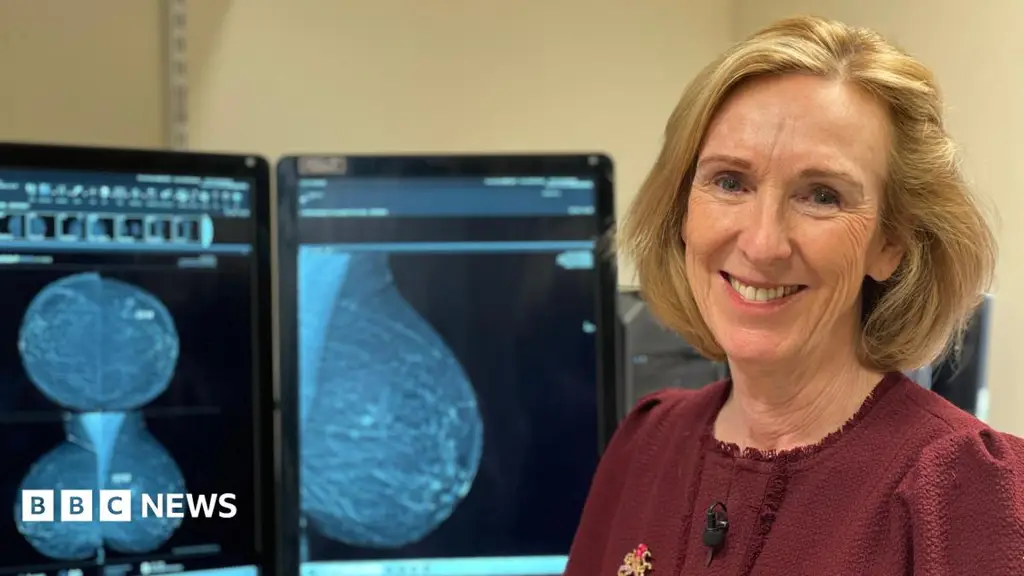
    UK to invite nearly 700,000 women to AI breast cancer trial

    The trial will test whether AI can help detect cancer earlier without causing unnecessary follow-up tests.

    UK to invite nearly 700,000 women to AI breast cancer trial
    Photo: BBC News

    Nearly 700,000 women in the UK will be invited to join the world’s largest trial of AI in breast cancer screening. Recruitment to the EDITH trial has begun at Cambridge University Hospitals, the first of its 30 sites.

    The report comes from BBC News. Also reporting: Medical Xpress.

    Women aged 50 to 71 in the UK are invited for routine screening every three years. More than two million attend each year.

    Currently, two National Health Service experts review each mammogram. In the trial, AI will replace one of them.

    Researchers will test whether the system can help detect cancer earlier and reduce the workload for clinical staff. They will also assess whether it leads to unnecessary follow-up tests or overdiagnosis of milder disease that would never have caused symptoms.

    AI-assisted technology could help improve early cancer detection but we want to avoid the overdiagnosis of milder disease that would never have caused symptoms.

    Sian Taylor-Phillips, professor of population health at the University of Warwick and co-chief investigator

    Breast cancer is the most common cancer among women in the UK, with around 59,000 cases diagnosed each year. Routine mammograms detect about a third of them, usually at an early stage when the cancer is easier to treat. The screening program is estimated to help prevent around 1,300 deaths a year.

  5. Medicine & Research

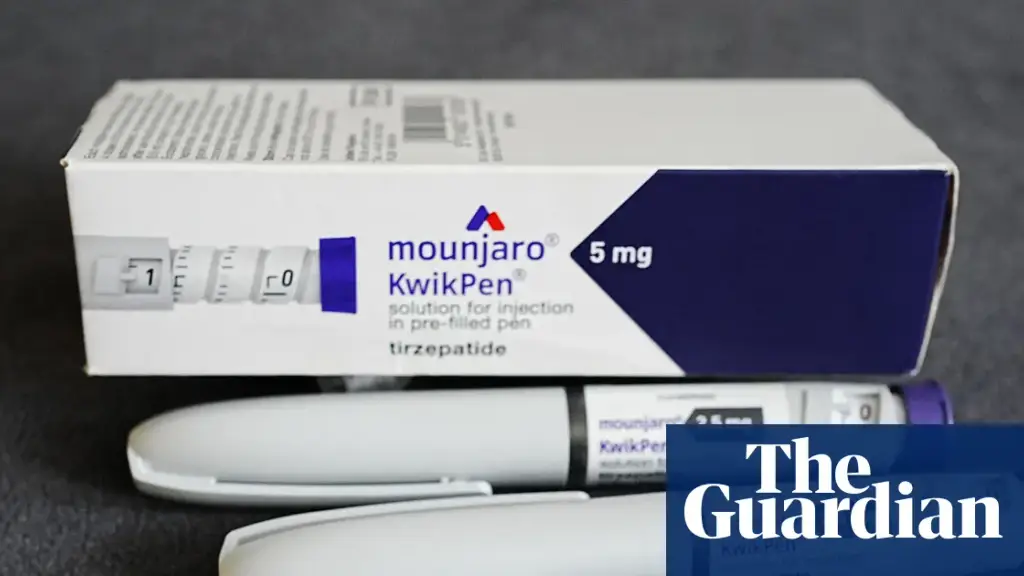
    21 of 36 English health boards scrap Mounjaro payments

    Eligibility does not guarantee access to the drug. The voluntary scheme’s payments do not cover the extra work, GPs told Pulse.

    21 of 36 English health boards scrap Mounjaro payments
    Photo: The Guardian

    A Pulse investigation found that 21 of England’s 36 integrated care boards (ICBs) have scrapped payments to GP practices for prescribing and monitoring Mounjaro (tirzepatide).

    The Guardian has the details.

    Another nine ICBs never had a local enhanced payment scheme for the services, while four have kept one. Since April, incentives for GPs managing obesity have been included in the Quality and Outcomes Framework (QOF). The scheme is voluntary, and GPs told Pulse the payments do not cover the cost of providing the service.

    Chris McCann, acting chief executive of Healthwatch England, said patients had reported significant differences in access to NHS-funded weight-loss drugs. In some areas, he said, the process for getting them remains unclear.

    Cheshire and Merseyside ICB says GP participation is optional and that meeting the eligibility criteria does not guarantee access to tirzepatide.

    The British Medical Association said the new payments were unlikely to cover the additional work of prescribing and monitoring the drug. It said the arrangements could become increasingly unsustainable if the NHS expands eligibility to more people.

    NHS England said it had moved funding for tirzepatide patient support into the GP contract, replacing varied local schemes with a single national approach. The change is intended to give practices a common framework for supporting patients and help make access more equitable.