Medicine & Research

  1. Medicine & Research updated 23:58

    CBD trial finds no benefit for severe behavioral problems

    CBD-related adverse effects were mild and infrequent. The most commonly reported were drowsiness, insomnia, diarrhea and decreased appetite.

    CBD trial finds no benefit for severe behavioral problems
    Photo: Medical Xpress

    A double-blind, randomized controlled trial of CBD was conducted in Australia from 2021 to 2025. It included 131 children and adolescents aged 6 to 18 with intellectual disability and found no benefit for severe behavioral problems. The trial took place at three children’s hospitals in Melbourne and Sydney.

    Original report: Medical Xpress.

    The findings were published in JAMA Pediatrics. Researchers from Murdoch Children’s Research Institute, the University of Sydney and Monash University took part in the trial.

    Participants were randomly assigned to one of two groups: one received oral CBD isolate in oil, and the other received a placebo. The dose was 10 mg per kilogram of body weight per day. Treatment lasted eight weeks, followed by a four-week observation period.

    Parents assessed the children’s behavior using the irritability subscale of the standardized Aberrant Behavior Checklist. Researchers found no effect of CBD on anxiety, sleep disturbance, irritability, aggression, self-injury or elopement.

    Autism had been diagnosed in 84% of participants. The study did not focus on a single genetic or neurodevelopmental condition; it examined children with intellectual disability, a range of diagnoses and behavioral difficulties.

  2. Medicine & Research updated 23:58

    Curtin University links type 2 diabetes to 53% higher Alzheimer’s risk

    Review authors estimated that about 4.7 in every 1,000 people with type 2 diabetes develop Alzheimer’s disease each year.

    Curtin University links type 2 diabetes to 53% higher Alzheimer’s risk
    Photo: ScienceDaily

    In a systematic review and meta-analysis led by Curtin University, researchers analyzed data from 40 studies on type 2 diabetes and Alzheimer’s disease. They estimated that people with diabetes had a 53% higher adjusted relative risk of Alzheimer’s disease than people without diabetes.

    The story was published by the news site ScienceDaily.

    Study author Emmanuel Adewuyi, a researcher at the Curtin School of Population Health, said the findings offer a more precise picture of Alzheimer’s risk among people with type 2 diabetes.

    Unlike previous reviews, which often combined different types of diabetes or dementia, this analysis focused on type 2 diabetes and Alzheimer’s disease. It also estimated the rate of new cases.

    Relative risk tells us how two groups compare, while incidence tells us how often new cases occur: putting those numbers together gives us a clearer picture of the burden of Alzheimer’s disease among people living with type 2 diabetes.

    Dr. Emmanuel Adewuyi, Study author, NHMRC Investigator Fellow at the Curtin School of Population Health

    The study was published in Alzheimer’s Research & Therapy. Its title is “Incidence and risk of Alzheimer’s disease in individuals with type 2 diabetes: a systematic review and meta-analysis.”

  3. Medicine & Research updated 23:58

    Study links common medications to gut bacteria changes lasting years

    The drugs included antidepressants and beta-blockers; the study did not establish whether the changes harm health.

    Study links common medications to gut bacteria changes lasting years
    Photo: ScienceDaily

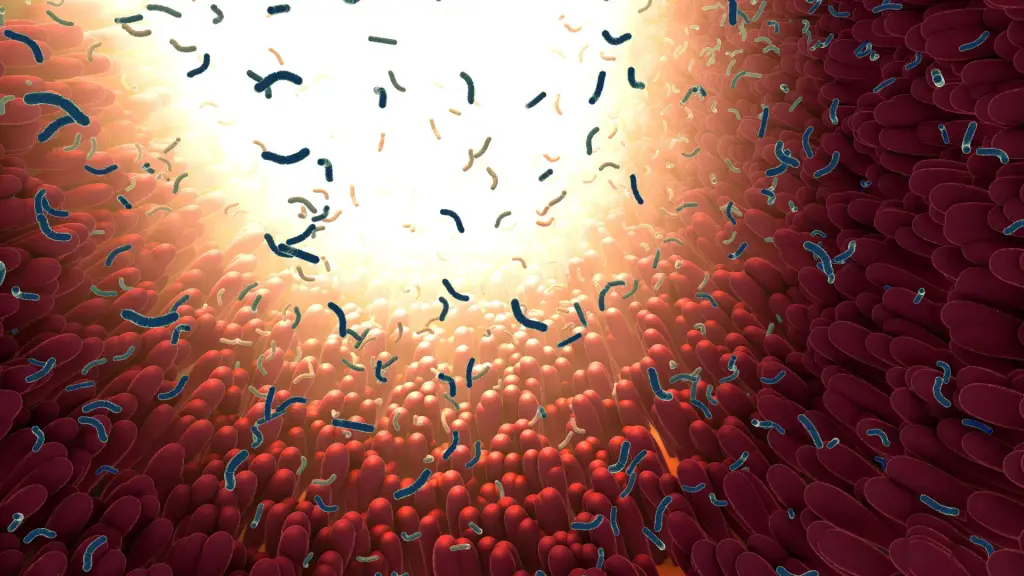
    Researchers at the University of Tartu Institute of Genomics analyzed stool samples and prescription histories from more than 2,500 participants in the Estonian Biobank’s Estonian Microbiome cohort. Most of the medications studied were associated with changes in gut bacteria, some of which remained detectable years after people stopped taking the drugs.

    This was reported by the news site ScienceDaily.

    Beta-blockers, proton pump inhibitors, benzodiazepines and antidepressants were also linked to microbiome changes. The researchers said changes associated with benzodiazepines were comparable to those seen after taking broad-spectrum antibiotics.

    Drugs in the same class could be associated with different changes. For example, researchers found that diazepam and alprazolam, both benzodiazepines, could differ in how strongly they affected gut bacteria.

    In a smaller group of participants, researchers collected additional stool samples when people started or stopped taking certain medications. The analysis found predictable changes in bacteria and provided further evidence that the drugs could contribute to those changes.

    Drug categories linked to persistent changes included proton pump inhibitors, selective serotonin reuptake inhibitors and some antibiotics, including combinations of penicillins and macrolides.

    Dr. Oliver Aasmets, the study’s lead author, said most microbiome studies consider only medications people are currently taking. Past drug use, he said, may be just as important and may substantially explain differences between people’s microbiomes.

    The persistent changes identified do not prove that they harm health or lead to specific diseases.

  4. Medicine & Research updated 23:58

    Researchers identify pathway linking caveolae to lipid droplets

    The findings could help clarify caveolin-1’s role in the development of lipodystrophy.

    Researchers identify pathway linking caveolae to lipid droplets
    Photo: Medical Xpress

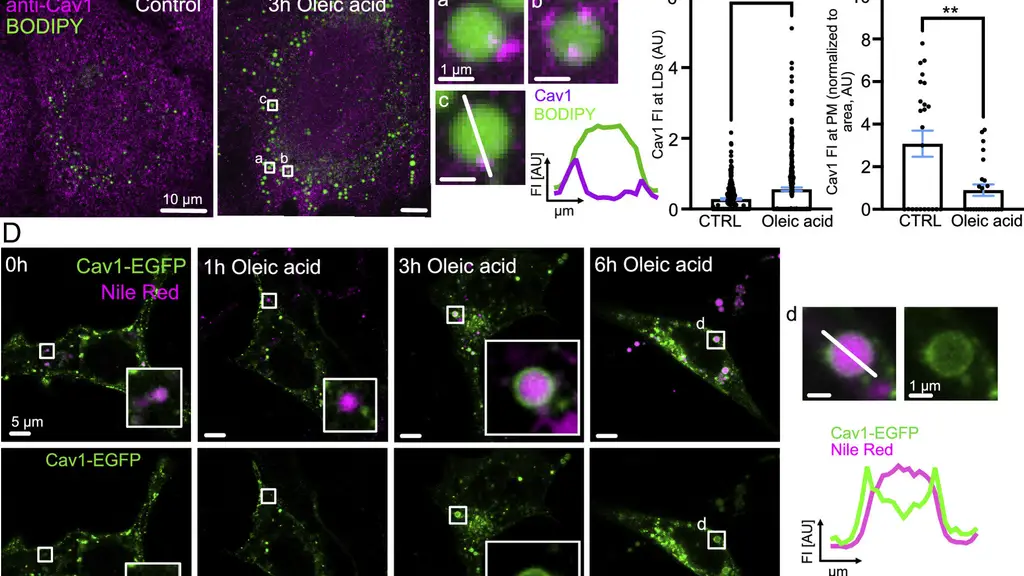
    A team from the University of Potsdam and the Leibniz-Forschungsinstitut für Molekulare Pharmakologie found that caveolin-1 plays a key role in lipid droplet growth and lipid storage in cells. The study was published in Proceedings of the National Academy of Sciences.

    The report comes from Medical Xpress.

    Caveolae are small invaginations in the plasma membrane. The newly identified pathway connects them to lipid droplets via an intracellular sorting station.

    We were able to identify a previously unknown transport pathway within the cells that connects caveolae on the plasma membrane to lipid droplets via an intracellular sorting station. Our findings thus provide new insights into the molecular mechanisms of lipid storage and cellular lipid metabolism.

    Claudia Matthäus, corresponding author of the study at the Institute of Nutritional Science of the University of Potsdam

    Lipodystrophy is a metabolic disease in which fat is stored abnormally in the body. In people with the condition, fat accumulates in the liver, muscles or heart muscle instead of in adipose tissue. This can lead to metabolic consequences, including fatty liver disease or type 2 diabetes.

    Caveolae had previously been considered a possible factor in the development of lipodystrophy. Mutations in the Caveolin1 and Cavin1 genes have been found in patients with the disease, although the mechanisms inside cells have remained largely unknown. Researchers say the findings could help clarify caveolin-1’s role in the development of lipodystrophy.

  5. Medicine & Research updated 23:58

    Study links 9 or more hours of sleep to 51% higher death risk

    The findings apply only to people with existing heart disease. The observational study does not establish cause and effect.

    Study links 9 or more hours of sleep to 51% higher death risk
    Photo: Fox News

    A cohort study in PLOS One analyzed data from 3,287 U.S. adults with heart disease who were surveyed in 2004. Researchers tracked deaths through December 31, 2019.

    Fox News has the details. Also reporting: Medical Xpress.

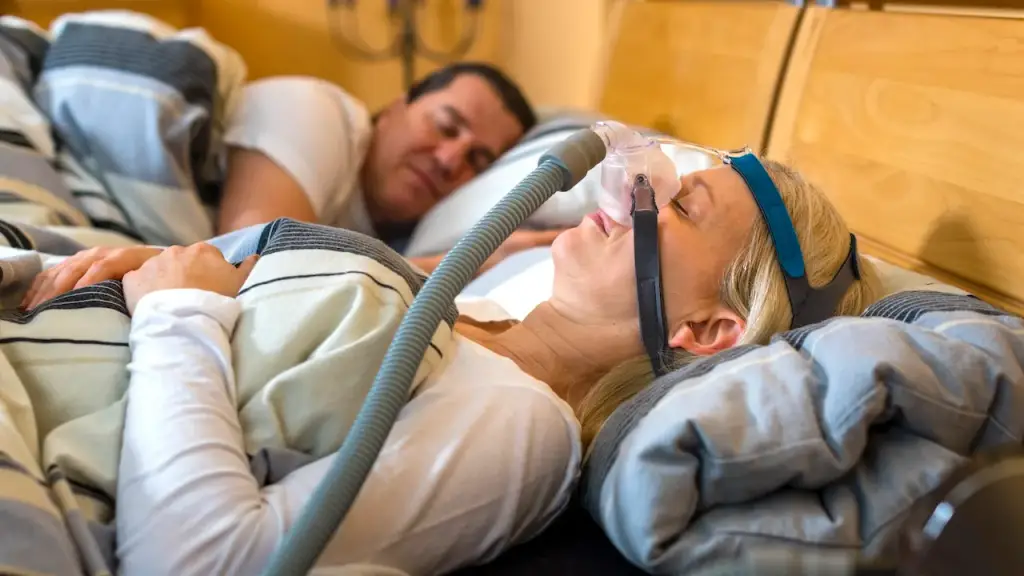
    Compared with sleeping 7 to 8 hours, sleeping 9 or more hours was linked to a 51% higher risk of death from all causes. The risk was 53% higher for heart-related deaths and 50% higher for non-heart-related deaths.

    Researchers divided sleep duration per 24 hours into three categories: 6 hours or less, 7 to 8 hours and 9 or more hours. During about 15 years of follow-up, 49.4% of participants died: 16.7% from heart-related causes and 32.6% from non-heart-related causes.

    Sleeping 6 hours or less was linked to non-heart-related death only in the least-adjusted model. The association weakened after researchers accounted for additional factors. The authors stressed that the findings do not invalidate the negative effects of too little sleep on cardiovascular health.

    Survey participants reported whether they had ever been told they had coronary heart disease, a heart attack or a heart condition or disease. The findings therefore do not support conclusions about people without existing heart disease.

    Registered dietitian Erin Palinski-Wade said longer sleep may be a sign of heart disease, depression, sleep apnea or medication side effects. She said the study could not fully account for these factors.

    Palinski-Wade also advises people to pay attention to how rested they feel, rather than focusing only on the number of hours they sleep.