Medicine & Research

  1. Medicine & Research updated 00:01

    Woman says nasal spray use led to 10-year dependence

    Louise Gough said she used the spray up to 15 times a day and spent about £2,000 on it. A surgeon warns prolonged use can worsen nasal congestion.

    Woman says nasal spray use led to 10-year dependence
    Photo: BBC News

    Louise Gough, 30, of Caerphilly, Wales, says she became dependent on Sudafed spray over 10 years and spent about £2,000.

    This was reported by BBC News.

    At her most frequent use, Gough said, she sprayed her nose up to 15 times a day. She did not notice the warning on the packaging that the spray was for short-term use only.

    Consultant surgeon Vik Veer explained that decongestant sprays temporarily restrict blood flow to the lining of the nose. As the medication wears off, congestion can worsen, prompting someone to use the spray again. Veer believes the warning on the packaging should be more prominent.

    Official recommendations advise against using sprays containing xylometazoline and oxymetazoline for more than five consecutive days. Veer believes problems can start after just three days of use.

    During a family holiday in Greece, Gough used two bottles in 11 days and realized she needed to stop. She quit using the spray.

    She said that about a month after stopping, she was able to breathe through her nose without medication again. Her sense of smell and taste did not return to their previous level.

    A Sudafed spokesperson said the company’s products comply with regulatory and industry rules, and that usage information is provided on packaging, in patient information leaflets and on its website. The company advises people with questions to speak to their GP or pharmacist.


  2. Medicine & Research updated 23:59

    ABIM study links knowledge gaps to 52.3% of California physician discipline cases

    Physicians disciplined for knowledge gaps were less likely to pass the certification exam on their first attempt.

    ABIM study links knowledge gaps to 52.3% of California physician discipline cases
    Photo: Medical Xpress

    Researchers at the American Board of Internal Medicine (ABIM) analyzed 558 disciplinary actions involving California physicians from 2011 to 2022. In 52.3% of cases, disciplinary action was related to gaps in medical knowledge.

    Original report: Medical Xpress.

    These cases included prescribing inappropriate medications, misinterpreting imaging results and ordering unnecessary procedures that posed a high risk to patients. The study was published in the Journal of Continuing Education in the Health Professions.

    Researchers analyzed ABIM certification exam results for 239 physicians who took it for the first time between 1996 and 2022. On their first attempt, 66.7% of physicians disciplined for knowledge gaps passed, compared with 78.0% of those disciplined for other reasons. Those reasons included DUI and fraud convictions, as well as inappropriate relationships with patients.

    Medical board disciplinary actions can range from a public reprimand or probation to revocation of a medical license. Researchers chose California because it has the largest number of actively practicing physicians in the country and its medical board publishes detailed descriptions of disciplinary cases.

  3. Medicine & Research updated 23:59

    Engineered bacteria improve metabolic measures in aged mice

    Researchers found differences in bile acid metabolism associated with gut bacteria in centenarians. The results do not show that these changes cause human longevity.

    Engineered bacteria improve metabolic measures in aged mice
    Photo: Medical Xpress

    Researchers at the University of California San Diego studied links between gut microbiome activity and longevity and tested bacteria in 82-week-old mice. The study was published Nov. 16 in Cell Metabolism.

    This was reported by the news site Medical Xpress.

    Researchers gave 82-week-old mice a genetically engineered strain of gut bacteria that produces bile salt hydrolase (BSH). About 20 weeks later, the mice had improved insulin sensitivity and modestly better glucose tolerance than a control group. After 32 weeks, they showed changes consistent with lower body weight and fat mass and greater lean mass.

    The analysis included 48 young adults, 107 older adults and 125 centenarians. Centenarians had higher ratios of some modified bile acids than either younger group. Their microbiome data also showed a higher abundance of a gene associated with BSH activity than data from older adults.

    Bile acids are produced by the liver. They help digest fats and act as signaling molecules; gut bacteria modify them using BSH.

    The results do not prove that microbiome changes caused longevity in humans or that engineered bacteria can extend lifespan. The researchers say more studies are needed to assess possible effects on human health.

    Further research will examine how different forms of BSH affect bile acid metabolism, inflammation, energy use and other aging processes. Researchers will also test whether the approach works similarly in females.

  4. Medicine & Research updated 23:59

    Researchers propose framework for evaluating AI psychological tools

    Even when average accuracy is strong, language models may miss rare but important expressions of psychological symptoms.

    Researchers propose framework for evaluating AI psychological tools
    Photo: Medical Xpress

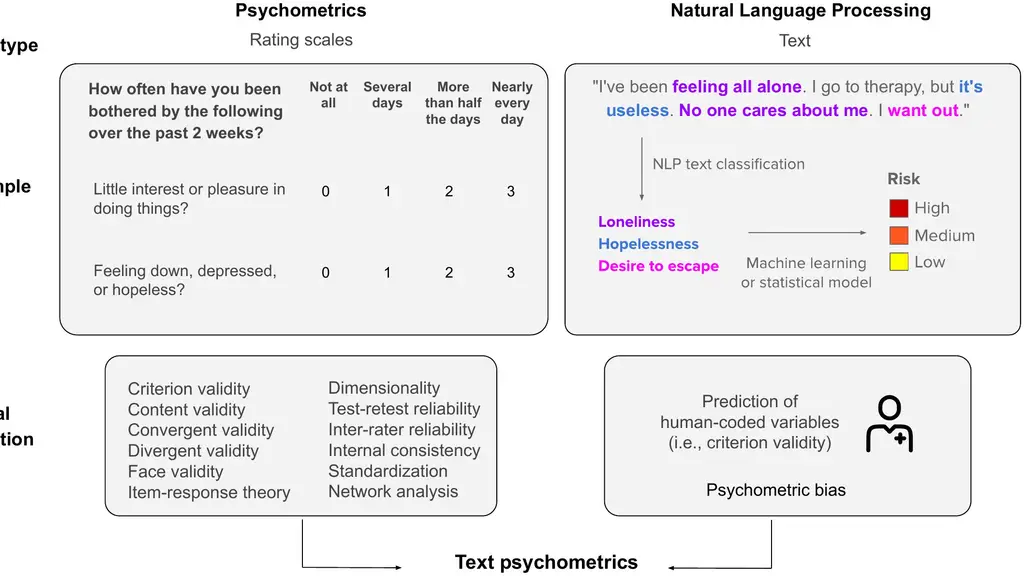
    The Child Mind Institute, in collaboration with Harvard University and the Massachusetts Institute of Technology, presented research published in PLOS Digital Health. The authors analyzed thousands of crisis counseling conversations and public social media posts. They concluded that AI cannot yet provide valid psychological assessments.

    The information comes from Medical Xpress.

    Researchers found that some AI systems performed well on average using common accuracy measures but missed less frequent, important expressions related to mental health.

    An AI model may appear accurate while still missing important ways people express psychological symptoms.

    Daniel Low, research scientist at the Child Mind Institute and the study’s lead author

    The authors proposed Text Psychometrics, a framework for evaluating psychological characteristics in text. It is designed to test whether models recognize different ways of describing symptoms, produce consistent results and work fairly across different groups of people.

    In a separate study, the team tested whether language at the start of a crisis counseling conversation could predict an emergency service intervention by the end. Mentions of lethal means for suicide, substance use and overdose were among the strongest predictors of the need for emergency intervention. Another important indicator was that the texter wrote more than the counselor.

    Mental health professionals consider not only what people write, but also their clinical history, life circumstances, nonverbal cues when available and professional judgment. The authors say AI systems have not yet reached this level. The researchers hope Text Psychometrics will help make language-based AI tools more reliable, interpretable and useful for research, clinical care and public health.

  5. Medicine & Research updated 00:01

    Researchers warn of risks from commercial online health platforms

    Short consultations may miss patients’ full medical histories, while add-on products may not have the same evidence base as medications, researchers warn.

    Researchers warn of risks from commercial online health platforms
    Photo: Medical Xpress

    Bioethicists from Adelaide University and the University of Wollongong studied commercial online health platforms in Australia. More than 11 million Australians had a telehealth consultation in 2025; the study was published in JME Practical Bioethics.

    Original source — Medical Xpress.

    The bioethicists say these services blur the line between patients and customers. Platforms may offer brief consultations, prescription medications and subscriptions, and sell supplements and other health products alongside medications.

    Researchers caution that doctors may not get a full picture of a patient’s medical history or medications during brief consultations. They say a platform’s commercial interests could influence decisions about treatment.

    One example of a potential risk is prescribing a weight-loss medication to someone with an eating disorder. Vitamins or shampoos sold alongside hair-loss medications may not have the same evidence base.

    The Australian Commission on Safety and Quality in Health Care has been tasked with developing national safety and quality standards for virtual care.

    The research team is studying users’ experiences of online health services, including those of young Australians and people in regional, rural and remote communities. The project includes community dialogue groups, a national survey and consultations with health care professionals.

    The project’s findings are intended to inform a plain-language guide for consumers and a document for policymakers, professional organizations and advocates.