
Medicine & Research

  1. Medicine & Research updated 23:59

    CagriSema trial finds average weight loss of 21.0%

    The study compared two doses of the drug with placebo; participants also received nutrition and physical activity counseling.

    CagriSema trial finds average weight loss of 21.0%
    Photo: Medical Xpress

    The REDEFINE 9 trial enrolled 309 adults without diabetes at 24 sites in Canada, France, Germany, the U.K. and the U.S. Participants had obesity or overweight with a related health condition and received weekly injections of CagriSema or placebo for 68 weeks. Results were published November 16 in The Lancet Diabetes & Endocrinology.

    Source: Medical Xpress.

    CagriSema combines two appetite-reducing medicines: cagrilintide and semaglutide. Participants received either 1.7 mg of each component, 1.0 mg of each, or placebo.

    Among those who remained on treatment, average weight loss after 68 weeks was 20.7% with the 1.7 mg dose and 21.0% with the 1.0 mg dose. The figure was 2.0% in the placebo group.

    In an analysis of all participants, regardless of whether they stopped treatment, average weight loss was 19.4%, 18.6% and 4.6%, respectively.

    At least 5% of body weight was lost by 95.1% and 96.3% of participants in the two CagriSema groups, compared with 33.4% in the placebo group. At least 20% was lost by 51.3% and 48.3%, respectively, versus 2.7% with placebo.

    The authors suggest that different doses could allow a more flexible and individualized approach to treatment. CagriSema remains investigational, however. The authors say the results need confirmation in further trials with larger and more diverse groups of participants.

  2. Medicine & Research updated 23:59

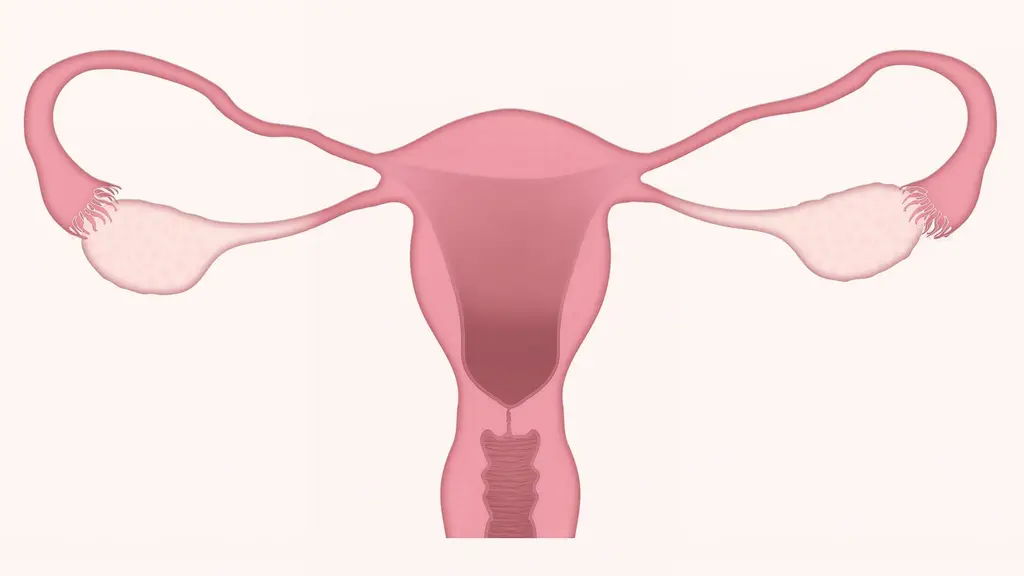
    Study finds younger endometrial cancer diagnoses among Native American and Hispanic women

    The average age at diagnosis was 49.8 for Native American women and 53.7 for Hispanic women, compared with 62 for white women and 61.6 for non-Hispanic women.

    Study finds younger endometrial cancer diagnoses among Native American and Hispanic women
    Photo: Medical Xpress

    Researchers at the University of Arizona Cancer Center found that Native American and Hispanic women were diagnosed with endometrial cancer at younger ages than women in other racial and ethnic groups. They reviewed records for 261 women who had gynecologic surgery at Banner—University Medical Center Phoenix in Phoenix from 2016 to 2021. A total of 168 patients had endometrial cancer.

    The story was published by the news site Medical Xpress.

    The average age at diagnosis was 49.8 for Native American patients and 62 for white patients. For Hispanic patients, it was 53.7, compared with 61.6 for non-Hispanic patients.

    The findings were published in Cancer Medicine. The study’s lead author, Melissa Herbst-Kralovetz, is a professor of basic medical sciences at the University of Arizona College of Medicine—Phoenix. She said the results of the retrospective study need to be confirmed in larger groups.

    According to the American Cancer Society, endometrial cancer incidence in the United States rose by 1.8% to 2.6% annually from 2013 to 2022. The society says recent trends suggest some stabilization, with about 68,270 new cases a year.

    In the study, 45% of Native American women and 21% of Hispanic women had diabetes. Herbst-Kralovetz said obesity and diabetes may contribute to abnormal growth of the uterine lining. She emphasized that environmental, biological and social factors also need to be considered to explain the disparities.

    The researchers used the Arizona Social Vulnerability Index, which is based on census data. Patients with cancer were more likely to live in areas with housing and transportation challenges, lack access to a vehicle and live in crowded homes.

    Herbst-Kralovetz’s lab is developing a simple, less invasive test to detect endometrial cancer without a tissue biopsy. She aims to make testing more accessible through primary care, especially for women in rural and underserved communities. She also hopes to secure investment to validate the test and build partnerships with rural health care providers.

  3. Medicine & Research updated 23:59

    Study links pandemic pause in social activity to weaker cognitive scores

    Among older adults, changes in social participation were not significantly associated with depressive symptoms. Those who began community activities by 2020 had cognitive scores comparable to those who remained consistently engaged.

    Study links pandemic pause in social activity to weaker cognitive scores
    Photo: Medical Xpress

    Researchers from Saint Louis University and colleagues linked stopping community activities during the pandemic with poorer cognitive functioning in 2022. They analyzed nationally representative Health and Retirement Study data from 2016, 2020 and 2022. The samples included 1,679 people for the cognitive function analysis and 2,457 for the depressive symptoms analysis.

    Details were published by Medical Xpress.

    The findings were published in The Journals of Gerontology, Series B: Psychological Sciences and Social Sciences. Participation was measured through volunteering, educational courses, charitable activities, social, sports and other clubs, and nonreligious organizations.

    Those who stopped community activities had significantly lower cognitive scores in 2022 than participants who remained engaged. Their results were similar to those of people who did not take part in these activities in either 2016 or 2020. Participants who began taking part by 2020 had scores comparable to those who were active at both time points.

    Researchers found no significant association between changes in participation and depressive symptoms in 2022. Earlier studies documented immediate effects of the pandemic, including loneliness, anxiety and depressive symptoms. Longer-term effects on cognitive and mental health remained less clear.

    In a secondary analysis, researchers found preliminary evidence that starting community activities may have been especially beneficial for people with a greater cumulative number of adverse childhood experiences.

    Older adults’ emotional well-being appeared resilient, while their cognitive functioning may have been more vulnerable.

    SangNam Ahn, Associate professor of health management and policy in the College for Public Health and Social Justice at Saint Louis University and the study’s lead author

    Ahn argues that social engagement should be considered part of preventive health care. Social prescribing is a practice in which health care providers connect patients with community activities, including volunteering, courses, clubs and community organizations.

  4. Medicine & Research updated 23:59

    Arginine reduced colon tumors and infection severity in mice

    Researchers link the effects to a protein that helps immune cells recognize threats. Whether arginine has the same effects in people remains unknown.

    Arginine reduced colon tumors and infection severity in mice
    Photo: ScienceDaily

    In experiments with mice, researchers at Rockefeller University found that arginine reduced the number of colon tumors and the severity of influenza and SARS-CoV-2 infections, ScienceDaily reported. The findings were published in Cell. The experiments’ location and dates, as well as the number of mice, were not specified.

    This was reported by the news site ScienceDaily.

    Mice given more arginine had milder symptoms from viral infections. Giving the amino acid after influenza infection also improved the course of the disease.

    In cell experiments, arginine deficiency interfered with the production of major histocompatibility complex class I (MHC-I) proteins. These proteins help immune cells recognize infected or altered cells. When arginine was scarce, ribosomes — the cellular structures that make proteins — stalled while assembling MHC-I.

    The body produces arginine and also gets it from protein-rich foods. The researchers propose studying arginine alongside cancer immunotherapy and among people at high risk of respiratory viral infections.

    However, findings in mice do not show that arginine supplements prevent or treat cancer, influenza or COVID-19 in people. Further research involving humans is needed to test for possible effects.

  5. Medicine & Research updated 23:59

    Bisphosphonate blocked spinal mineral buildup in zebrafish study

    The drug’s effects have not been tested in people, but the experiments point to possible targets for future treatments for intervertebral disc degeneration.

    Bisphosphonate blocked spinal mineral buildup in zebrafish study
    Photo: ScienceDaily

    Researchers at the universities of Edinburgh and Bristol found that a bisphosphonate prevented abnormal mineral deposits from building up in zebrafish spines. ScienceDaily covered the study, published in Communications Biology. The researchers did not report where or when the experiments took place or how many fish they studied.

    More details are available from ScienceDaily.

    The scientists studied fish without a functioning copy of a gene associated with collagen IX, a protein that supports the structure of intervertebral discs. As the fish aged, minerals accumulated between their vertebrae, and the vertebrae fused.

    The tissue layer that provides structural support began to break down before the deposits appeared. The team also found changes in fat metabolism, the mTOR cell-signaling system that regulates cell growth and metabolism, phosphate regulation and vitamin A signaling.

    In addition to the bisphosphonate, reducing food intake and drugs that suppressed fat metabolism reduced spinal fusion in the fish. The researchers identified fat metabolism and phosphate regulation as possible areas to target in future treatments.

    Bisphosphonates are used to treat osteoporosis.

    The findings have not yet been confirmed in people. They do not show that bisphosphonates or dietary restriction can prevent spinal damage or slow its progression in humans. More research is needed to establish whether the same mechanisms operate in people and whether disc degeneration can be slowed safely.