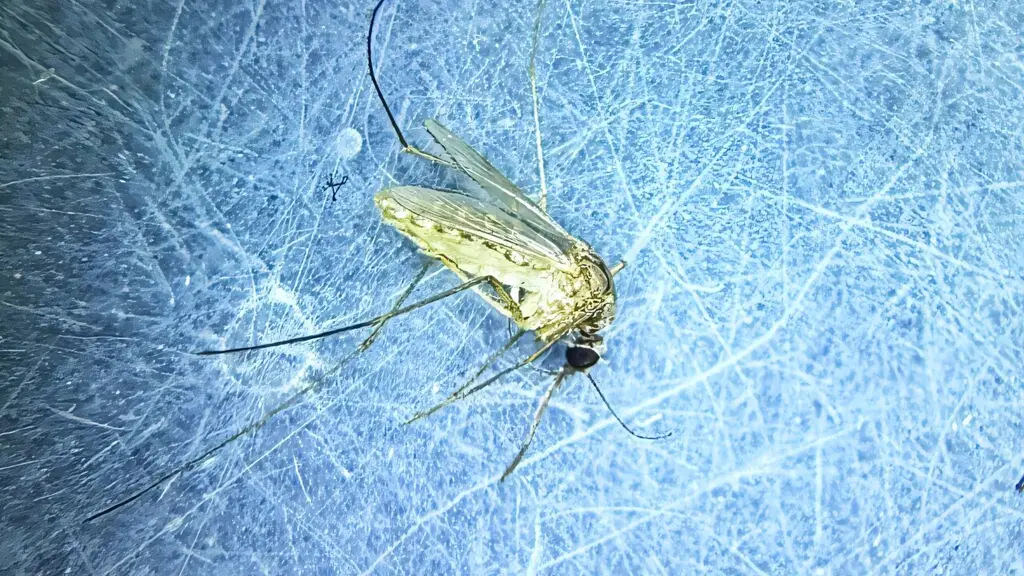
As of November 26, California had recorded 45 deaths and 617 West Nile virus infections. It was the state’s second-deadliest year on record.
Source: Medical Xpress.
The virus spreads to people through mosquitoes that have bitten infected birds. Most people who contract it have no symptoms or experience a mild, flu-like illness.
In about 1% of cases, the virus can cause a potentially fatal brain infection and neurological complications, including cognitive impairment and paralysis.
Mandi Budd, a consultant for humanitarian organizations, developed hip pain in September that she initially mistook for sciatica. Later, her legs could no longer support her, and she collapsed.
Doctors fought to save her life at a hospital in Burbank, near Los Angeles. Budd has been unable to use her legs for two months and is undergoing physical therapy to learn to stand again.
In Los Angeles County, where California’s outbreak is most severe, the first infected mosquito was detected in May, two months earlier than usual, said Susanne Kluh, manager of the local mosquito control authority.
The local authority treats storm drains monthly with larvicide and releases sterile male mosquitoes. Teams also work to eliminate breeding grounds, including in neglected swimming pools.
Ryan Harrigan, a biologist at the University of California, Los Angeles Center for Tropical Research, said climate change is among the factors driving the virus’s expanding range. Diseases once considered tropical are moving north, he said.
As of November 26, more than 2,000 West Nile virus infections had been detected in 20 European countries, a record. Italy, Greece and France were the hardest hit.
Kluh advises residents and tourists to use mosquito repellent, especially at dawn and dusk. El Niño is increasing rainfall in California, creating more favorable conditions for mosquitoes as temperatures rise. Kluh said it is concerning how long heavier rain will last into spring and whether it will coincide with warmer temperatures.