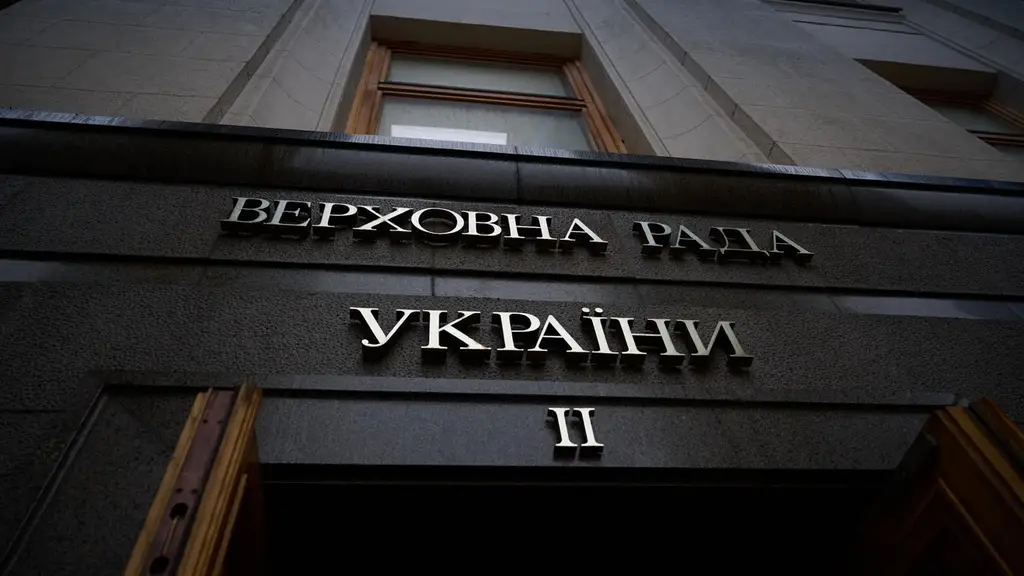
The Verkhovna Rada backed bill No. 15517 on the use of deceased persons’ bodies, body parts and anatomical materials in the first reading. The bill concerns research and education in health care; 243 lawmakers voted for it.
Інтерфакс-Україна reported the news.
The bill would grant this right to research institutions, state health care facilities and higher education institutions. Bodies and materials would be transferred by state or municipal health care facilities with the deceased person’s written consent or written permission from relatives.
Permission could be given by a spouse, parents or adoptive parents, children, a sibling, a grandparent, a grandchild or a great-grandchild.
A body unclaimed for burial could be transferred by written decision of the director of the health care facility where it is held. The facility would have to sign an agreement with a research institution or higher education institution; permission from relatives would not be required.
The bill would prohibit the transfer and use of bodies undergoing forensic medical examination. It would also prohibit importing bodies for research or education if their transportation does not meet sanitary requirements. Imports would also be prohibited if they violate international humanitarian law, ethics or human rights standards.
In the explanatory note, the bill’s authors cite the higher education standard, which requires practical training to account for at least 50–70% of the hours allocated to clinical disciplines. They say that practical study of human anatomy is impossible without access to deceased persons’ bodies, body parts and anatomical materials. They also note that Ukraine lacks a unified, systematic regulatory framework for their use in education and research.