Technology

  1. Technology updated 18:41

    Signal blocks screenshots over AI agent privacy concerns

    Signal is urging operating system makers to let apps refuse agents access to data. The company fears agents could view messages, photos and email.

    Signal blocks screenshots over AI agent privacy concerns
    Photo: Politico

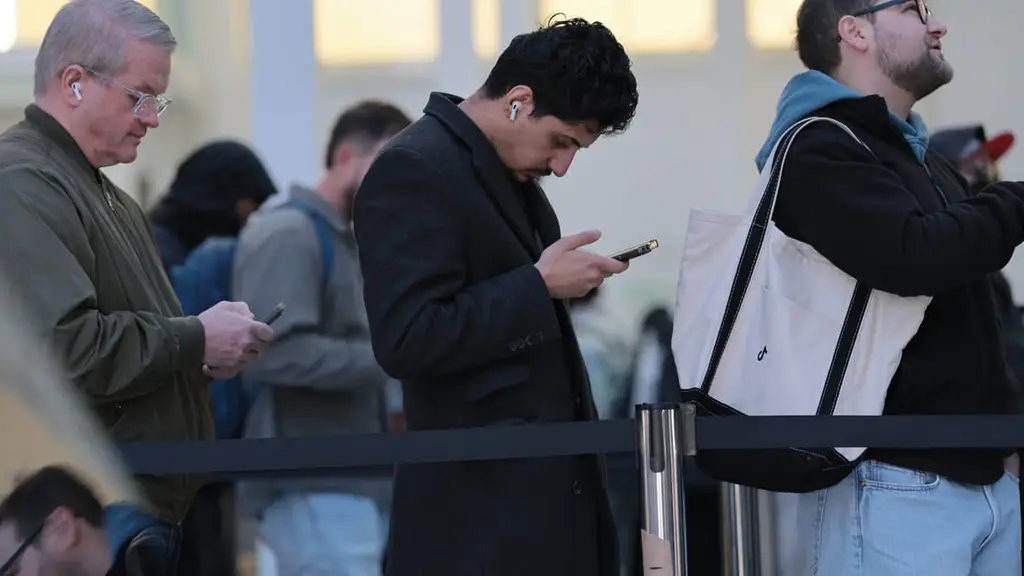
    Signal has begun blocking screenshots by default in its messaging app, citing concerns that artificial intelligence (AI) agents could read screen content and collect sensitive data.

    More details are available from Politico. Also reporting: Fox News.

    Udbhav Tiwari, Signal’s head of strategy and global affairs, said Google, Apple and Microsoft are integrating autonomous agents into their operating systems. He warned that this could allow agents to bypass privacy protections in individual apps.

    Tiwari cautioned that governments inclined toward surveillance could ask technology companies for data collected by agents. That could let them avoid breaking end-to-end encryption or installing malware on a device, he said. Apple, Google and Microsoft declined to comment on Signal’s claims.

    Signal is calling on operating system makers to create tools that let apps refuse agents access to data and its processing. Operating system-level agents have launched in many countries, but their rollout is slower in the European Union. Apple has cited the EU’s digital competition rules as a hurdle to introducing new features for its AI assistant.

    The U.K. Information Commissioner’s Office (ICO) was among regulators warning that AI agent products could heighten risks to consumers. The ICO said Meta had agreed to a voluntary monitoring and reporting scheme. The regulator is also preparing new guidance on how privacy law applies to AI agents.

    Meta said its agent was designed with privacy and security in mind from the start and that it was engaging constructively with regulators.
  2. Technology updated 12:00

    Prosecutors cite former OpenAI employee’s ties to Saudi government

    Prosecutors say Abdulrahman Alfozan could return to Saudi Arabia because of his weak ties to the United States.

    Prosecutors cite former OpenAI employee’s ties to Saudi government
    Photo: stevepb / Pixabay

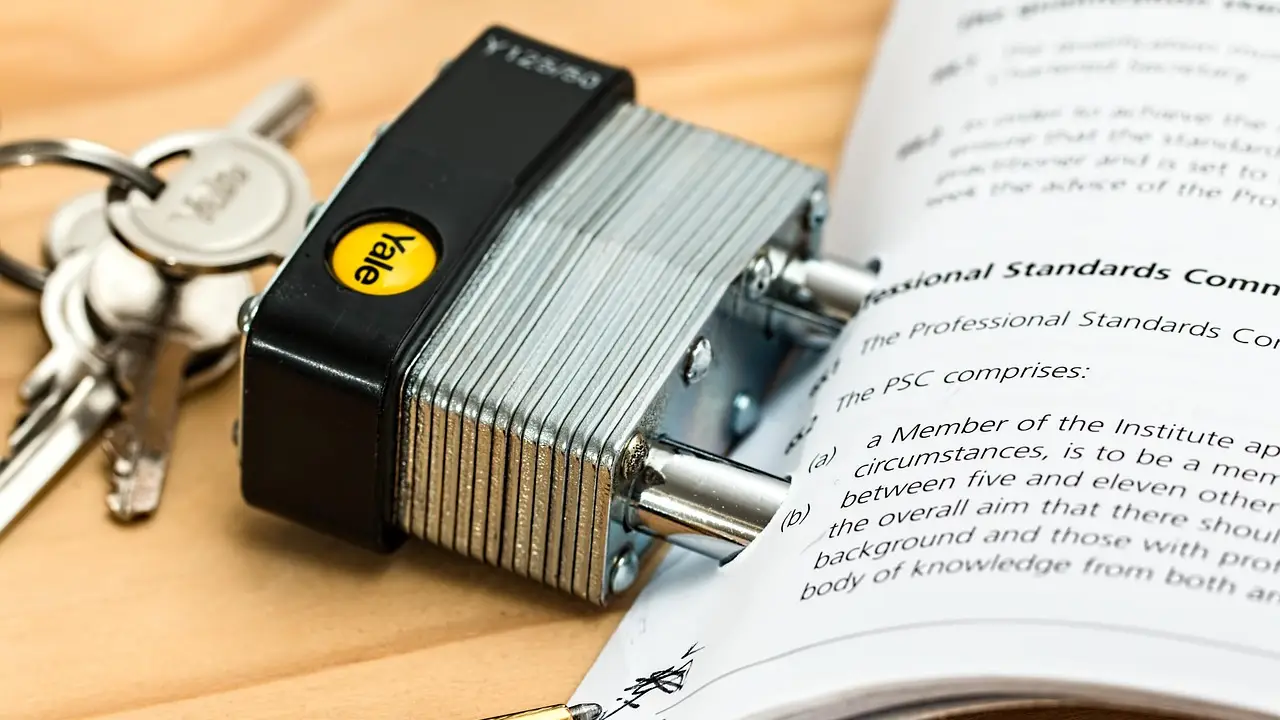
    Prosecutors asked a court to deny Abdulrahman Alfozan bail, saying his weak ties to the United States could make him return to Saudi Arabia. A hearing on his request for $1 million bail is scheduled in San Francisco.

    The information comes from Engadget.

    Prosecutors say authorities found hundreds of audio files on Alfozan’s computer. Dozens contained recordings of meetings and conversations at OpenAI in September. Some recordings may have included trade secrets, prosecutors said, and Alfozan uploaded some files to Dropbox.

    Prosecutors also said Alfozan created transcripts of the recordings using artificial intelligence (AI), organized them by date and renamed them based on their contents. Authorities found an image of a document about a “strategic partnership” marked “confidential” on Alfozan’s phone.

    Alfozan was arrested in October after company staff found a recording device behind a television in an executive conference room. OpenAI fired him the same day.

    The former employee denies stealing OpenAI trade secrets for Saudi Arabia and is asking for $1 million bail.

  3. Technology

    Tesla will initially use AI5 chip in Optimus, Musk says

    Tesla electric vehicles will continue using AI4 for now. Musk says AI4.5 will bring only a modest performance boost.

    Tesla will initially use AI5 chip in Optimus, Musk says
    Photo: Notebookcheck

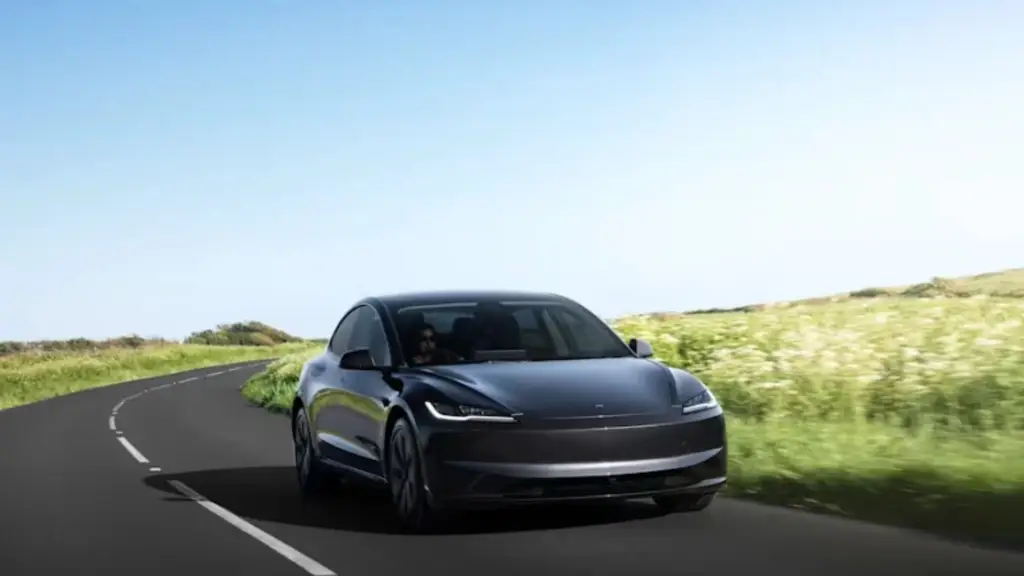
    Tesla will first use its new AI5 chip in the humanoid robot Optimus, rather than in its electric vehicles. Musk said this on X on November 22, responding to a question from a Tesla owner.

    Notebookcheck reported the news.

    Musk said AI4, also known as HW4, has enough computing power for autonomous driving to surpass human capabilities. Tesla’s electric vehicles will continue using that chip for now.

    Musk also mentioned AI4.5, an interim hardware update expected in Tesla vehicles. He said it would bring a modest performance boost, mainly through an upgrade to LPDDR5X RAM.

    Whether AI4 is powerful enough for fully autonomous driving remains to be seen. In April, Musk acknowledged that the previous HW3 hardware was insufficient for autonomous driving without human supervision. Version 15 of Tesla’s Full Self-Driving (FSD) software still requires driver attention.

    Reactions on X were mixed: some users praised Musk’s realistic assessment, while others said they would like the option to upgrade their vehicles’ hardware.

  4. Technology updated 18:41

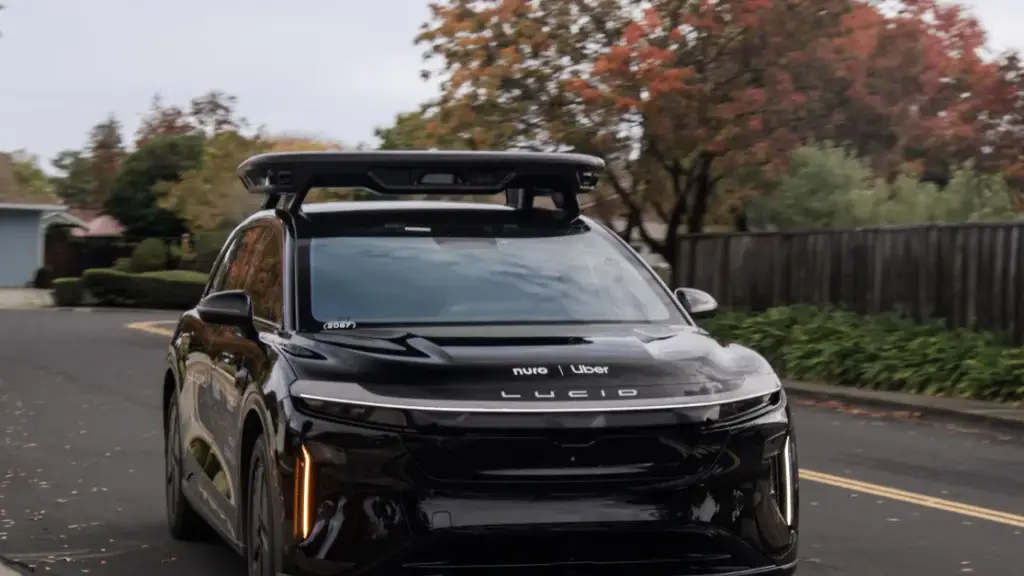
    Uber, Nuro and Lucid test driverless robotaxis in four cities

    Company employees will get access to the robotaxis before passengers. The Uber app launch for riders is planned for the first quarter of 2027.

    Uber, Nuro and Lucid test driverless robotaxis in four cities
    Photo: The Verge

    Uber, Nuro and Lucid have begun testing driverless robotaxis on public roads in the San Francisco Bay Area. The trials are underway in Palo Alto, Mountain View, Los Altos and Sunnyvale.

    The Verge published the report. Also reporting: Engadget, TechCrunch.

    After testing begins, the companies plan to offer rides to their employees. The service is expected to reach passengers through the Uber app in the first quarter of 2027. The partnership had initially targeted a launch at the end of 2026.

    Lucid has supplied more than 100 upgraded Gravity SUVs for the trials. Each vehicle uses Nuro’s Level 4 Nuro Driver system, which combines cameras, solid-state lidar and radar.

    The companies have conducted supervised testing in the San Francisco Bay Area and Houston. Before driverless trials, Nuro tested its software on a closed track in Las Vegas.

    The service is planned to launch in Houston later in 2027. Uber has also committed to buying at least 35,000 Lucid vehicles over the coming years, including the automaker’s upcoming midsize model.

  5. Technology

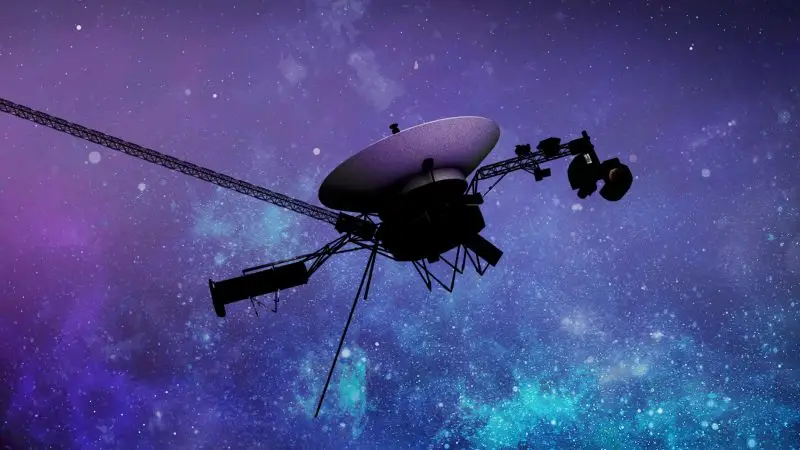
    Voyager 1 reaches one light-day away but stops sending data

    The probe is transmitting only a carrier signal, and the vast distance slows troubleshooting: a command takes 24 hours to reach it, and a response takes another day.

    Voyager 1 reaches one light-day away but stops sending data
    Photo: CNN

    NASA detected a problem with Voyager 1 on November 14. The probe stopped transmitting science and engineering data and is about 26 billion kilometers (16 billion miles) from Earth.

    This was reported by the news site CNN.

    Using the carrier signal and trajectory calculations, engineers confirmed Voyager 1 had reached a distance of one light-day. That is how far a radio signal travels in 24 hours, or about 26 billion kilometers (16 billion miles). The problem was detected five days before the milestone was scheduled to be marked.

    According to NASA, the carrier signal indicates that the navigation computer is keeping the spacecraft pointed toward Earth and that its antenna and broadcasting equipment are working. The lack of data could point to a problem with the onboard computer that collects information from the scientific instruments.

    Only two of Voyager 1’s 10 instruments are operating; the rest have been turned off to conserve power. The mission team is working to resolve the problem.

    A NASA spokesperson said the issue is ongoing but provided no further details.

    In late October, Voyager 1 lost all communication with Earth for two days. The problem resolved on its own, and NASA is investigating whether that incident may be connected to the current interruption in data transmission.

    A similar problem occurred on November 14, 2023, when Voyager 1 also stopped sending science data. NASA traced the issue to the flight data subsystem, or FDS, which collects and prepares data for transmission. NASA has not confirmed whether the current problem is related to the FDS.

    Voyager 1 launched in September 1977, and its twin, Voyager 2, launched in late August of the same year. Both spacecraft are exploring interstellar space. Voyager 1 left the heliosphere in 2012 and Voyager 2 in 2018; the heliosphere is a protective bubble created by the sun’s magnetic field.