Technology

  1. Technology

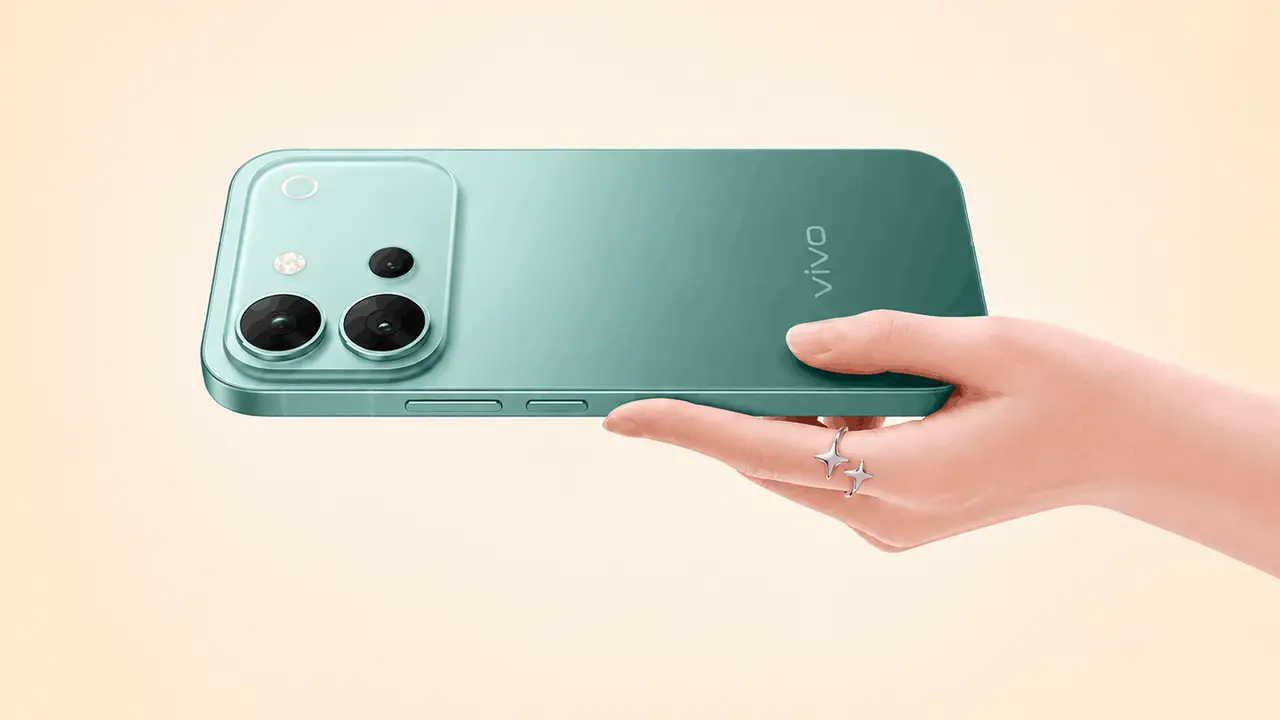
    Vivo lists X500 E with 7,200mAh battery in Russia

    The phone also has a 144Hz AMOLED display and a periscope camera with 3x optical zoom. Vivo has not announced its price.

    Vivo lists X500 E with 7,200mAh battery in Russia
    Photo: Notebookcheck

    Vivo has added the X500 E to its X500 series and listed it on the company’s official Russian website. The phone has a 6.59-inch display, a Snapdragon 7 Gen 4 processor and a 7,200mAh battery.

    This was reported by the news site Notebookcheck.

    The AMOLED display has a resolution of 2750 × 1260 pixels and a 144Hz refresh rate. The phone supports 90W wired charging. Vivo says the battery can reach 50% charge in 30 minutes.

    The 50MP main camera uses a Sony LYT-700V sensor. It is paired with an 8MP ultrawide camera and a 50MP periscope camera with 3x optical zoom. Both 50MP cameras have optical image stabilization.

    The X500 E runs Android 17 with OriginOS 7. Vivo promises up to six years of security updates. The 7.69mm-thick phone has a metal frame, a glass back and IP68 and IP69 dust and water resistance ratings. It weighs 203 grams.

    Vivo’s Russian website shows the phone in green and gray. The company has not announced the X500 E’s price, release date or availability in other markets.

  2. Technology

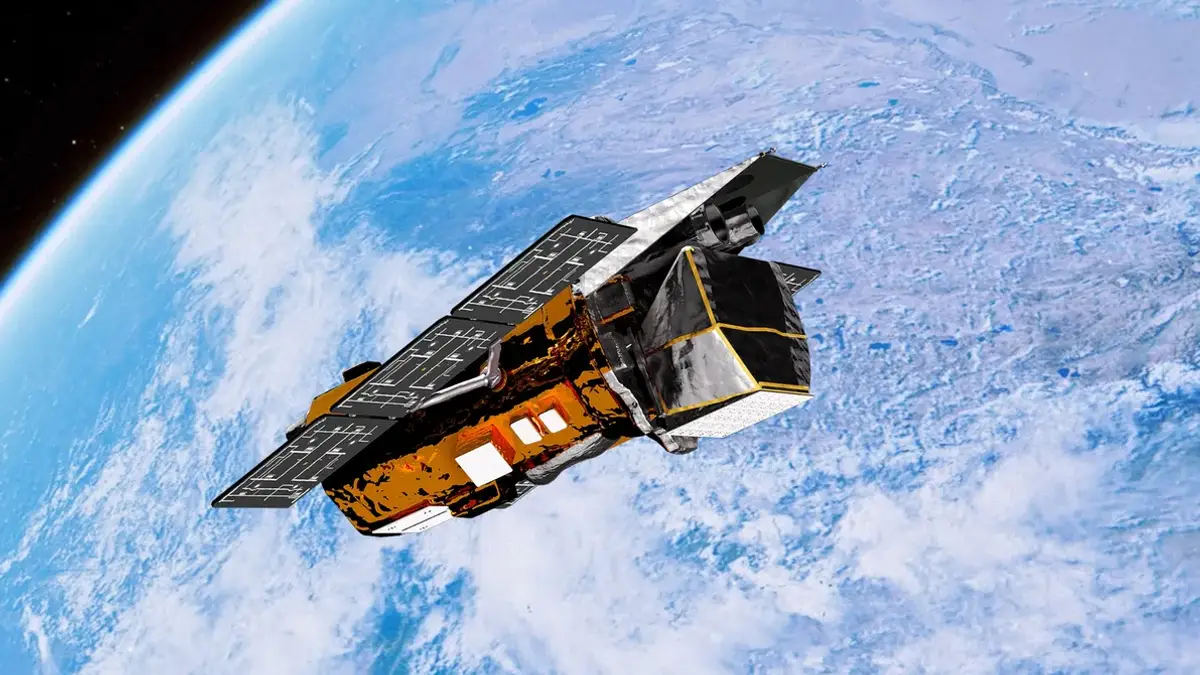
    NASA’s Swift telescope ends nearly 22-year science mission

    Mission data, including more than 1.5 million images, remain publicly available and total about 12 terabytes.

    NASA’s Swift telescope ends nearly 22-year science mission
    Photo: Wired

    NASA’s Neil Gehrels Swift Observatory completed a scientific mission that lasted nearly 22 years. It made its final observation on October 20 and reentered the atmosphere over North Sumatra, Indonesia, on November 4, after its orbit fell below 275 kilometers.

    More details are available from Wired.

    Swift launched on November 20, 2004, to study gamma-ray bursts. The observatory could quickly pinpoint their locations, relay coordinates to other telescopes and observe their afterglows.

    During its mission, Swift observed more than 2,000 gamma-ray bursts and more than 1,400 supernovae, and recorded black holes tearing stars apart. Its data contributed to about 7,000 scientific papers.

    In May 2005, Swift detected the afterglow of the short gamma-ray burst GRB 050509B, which lasted 0.03 second. The telescope detected 11 x-ray photons. The observation supported theoretical models that short bursts are most likely caused by the merger of two neutron stars.

    Swift’s orbit declined because of drag from the upper atmosphere, and the spacecraft had no thrusters to maintain it. In September 2025, NASA signed a $30 million contract with Katalyst Space Technologies to study the feasibility of providing services in orbit.

    The LINK satellite launched on July 3 to capture Swift and raise its orbit. After a malfunction in its attitude-control system, NASA and Katalyst canceled the operation on August 19 and redefined the mission as an in-orbit demonstration.

    LINK approached Swift to within 12 to 15 kilometers, but NASA said the satellite would not move closer. LINK reentered Earth’s atmosphere on September 25.

    On August 26, the team resumed operations of Swift’s telescopes and photographed Tycho’s supernova remnant, about 13,000 light-years away. Once the orbit fell below 275 kilometers, the telescope could no longer maintain a stable lock on its target.

    The full dataset, including more than 1.5 million images in ultraviolet and visible light, is publicly available and amounts to about 12 terabytes. NASA is considering how to use and expand its fleet of space telescopes.

    Swift delivered an incredible, lasting return on investment for the nation, designed for a two-year primary mission but productive for more than 10 times as long.

    Sean Domagall-Goldman, Director of the Astrophysics Division at NASA headquarters
  3. Technology

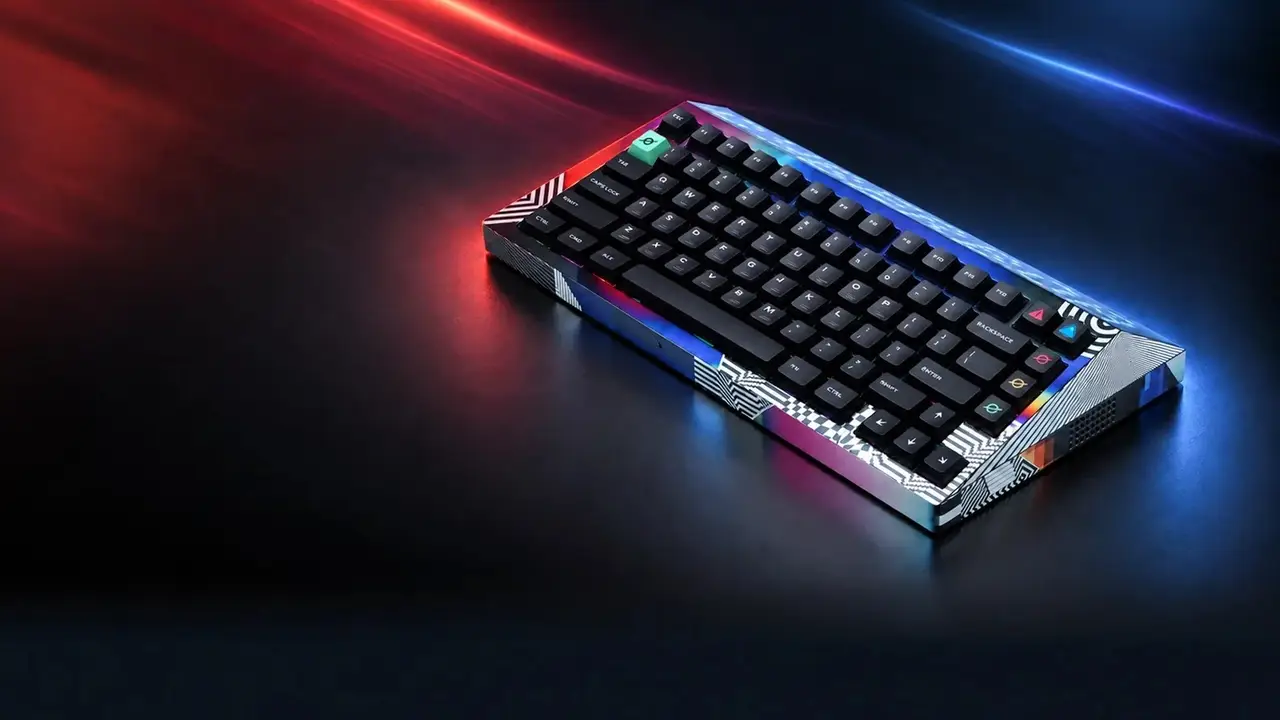
    Angry Miao offers Cyberboard AI keyboard on Kickstarter for about $850-$900

    Its microphones enable speech transcription, while built-in AI is designed to change keyboard and computer settings through voice commands.

    Angry Miao offers Cyberboard AI keyboard on Kickstarter for about $850-$900
    Photo: Notebookcheck

    The Angry Miao Cyberboard AI keyboard is available only through its Kickstarter campaign. The white version costs the equivalent of about $850, while the Vision version is around $900. Shipping is expected to start in February 2027 and costs an additional $45.

    The report comes from Notebookcheck.

    The keyboard has a 10,000 mAh battery and supports Qi wireless charging at up to 5 watts. It can connect to a computer via Bluetooth, 2.4 GHz wireless or USB-C. Three channels let users switch between devices.

    The keyboard has 200 individually addressable LEDs and backlighting for 81 keys. The switches can be swapped to suit users’ preferences, and settings can be saved in the software.

    The keyboard has a 75% form factor and is available only with an ANSI layout; there is no ISO version, which is common in Europe.

    The price includes all customs duties for imports into the European Union or the United States. The article’s author cautions that backing a crowdfunding campaign carries risks, although Angry Miao is not new to the market. Older models without AI features are available to ship from the manufacturer’s website.

  4. Technology

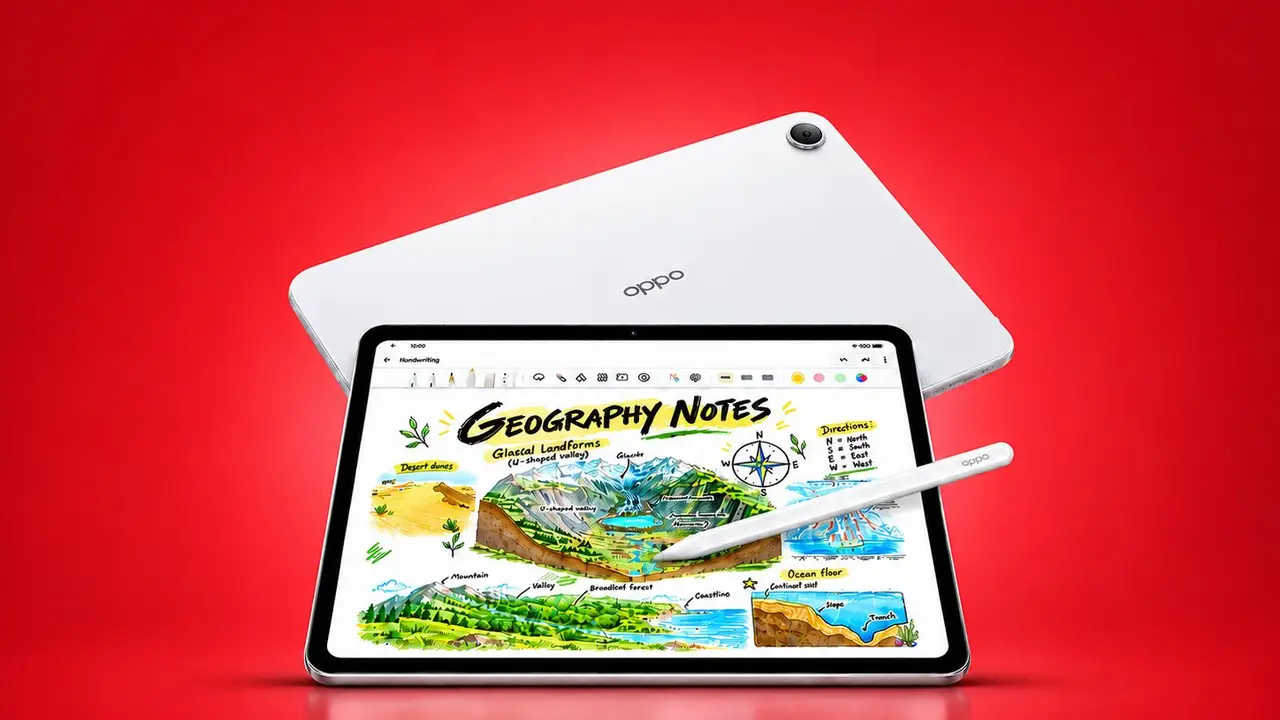
    Oppo lists Pad 6 F Lite Edition in Romania with 12.6-inch display

    The tablet has an 11,000mAh battery and supports the Oppo Pencil 2R stylus. Oppo has yet to announce pricing or a release date.

    Oppo lists Pad 6 F Lite Edition in Romania with 12.6-inch display
    Photo: Notebookcheck

    As of November 28, Oppo had listed the Pad 6 F Lite Edition on its official Romanian website. The tablet has a 12.6-inch LCD with a resolution of 2,400 × 1,600 pixels and a 90Hz refresh rate. It packs an 11,000mAh battery and supports 45W wired charging.

    Notebookcheck has the details.

    The device runs on an octa-core MediaTek Helio G200-Ultra processor with Mali-G57 graphics. It has 4GB of LPDDR4X RAM and 128GB of UFS 2.2 storage, and runs Android 17 with ColorOS 17.

    The tablet is compatible with the Oppo Pencil 2R stylus, which supports 4,096 levels of pressure sensitivity. Oppo says the battery provides up to 16.2 hours of online video playback or up to 15 hours of note-taking. Charging from 0% to 100% takes 129 minutes.

    The tablet has a metal body that is 6.52 mm thick and weighs 618 g. It features four speakers, an 8MP rear camera and a 5MP front camera. Other specifications include Wi-Fi 5, Bluetooth 5.4, a USB-C port and an IP42 rating.

    Availability in other markets has not yet been confirmed.

  5. Technology

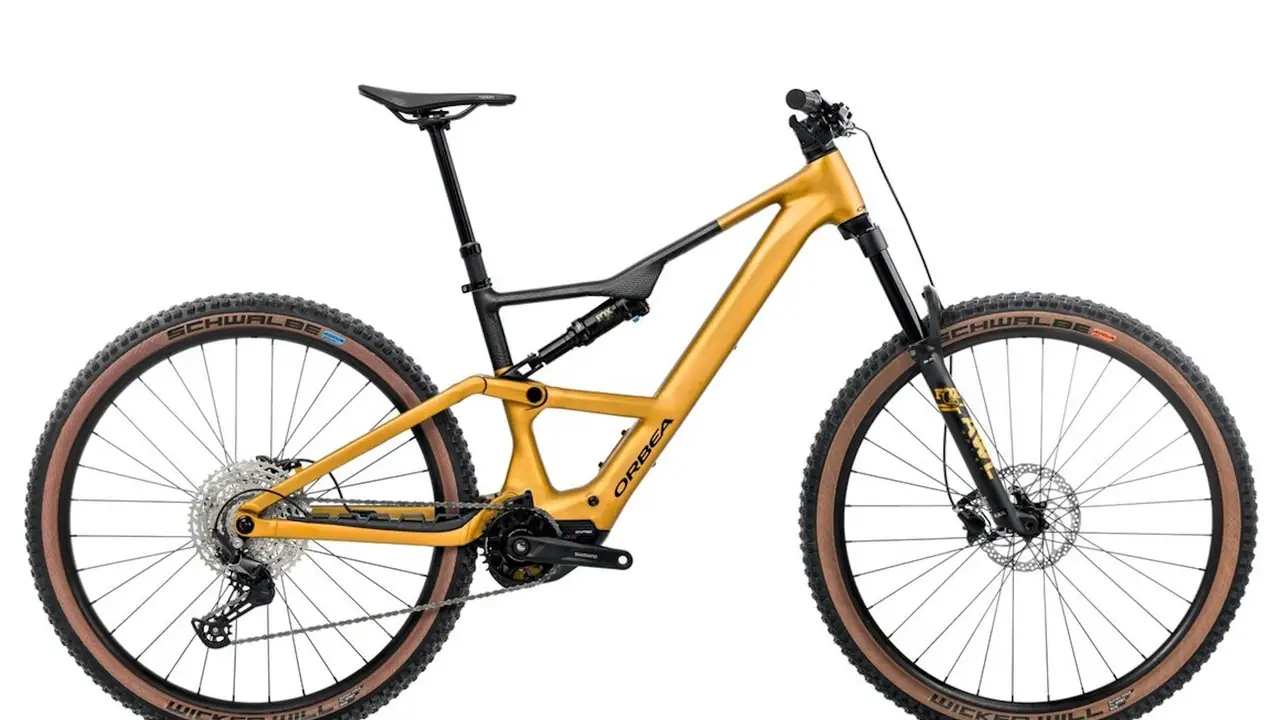
    Orbea Rise SL H30 e-bike gets Shimano motor with up to 85 Nm

    The bike has a 140 mm-travel fork and a 540 Wh battery. It weighs just under 23 kg.

    Orbea Rise SL H30 e-bike gets Shimano motor with up to 85 Nm
    Photo: Notebookcheck

    The Orbea Rise SL H30 is a new entry-level electric mountain bike available in Germany, the wider European market, the UK and the US. Its recommended retail price in Germany and the European market is €4,699.

    This was reported by Notebookcheck.

    The Shimano EP600RS Gen 2 MC motor delivers up to 85 Nm of torque, and the battery has a capacity of 540 Wh.

    The standard build includes an aluminum frame, a Fox 34 AWL fork with 140 mm of travel and a Fox Float Performance rear shock. Shimano MT201 hydraulic brakes have two pistons at both the front and rear. The bike also comes with a Shimano Deore M6100 rear derailleur and an OC Mountain Control MC22 dropper seatpost.

    Buyers can choose from different fork, tire and drivetrain options. Schwalbe Wicked Will Super Race tires come standard, while Maxxis tires are available at an extra cost. The Rise SL H30 comes in three frame colors.