Technology

  1. Technology

    Genesis AI raises $500 million to develop Eno robot

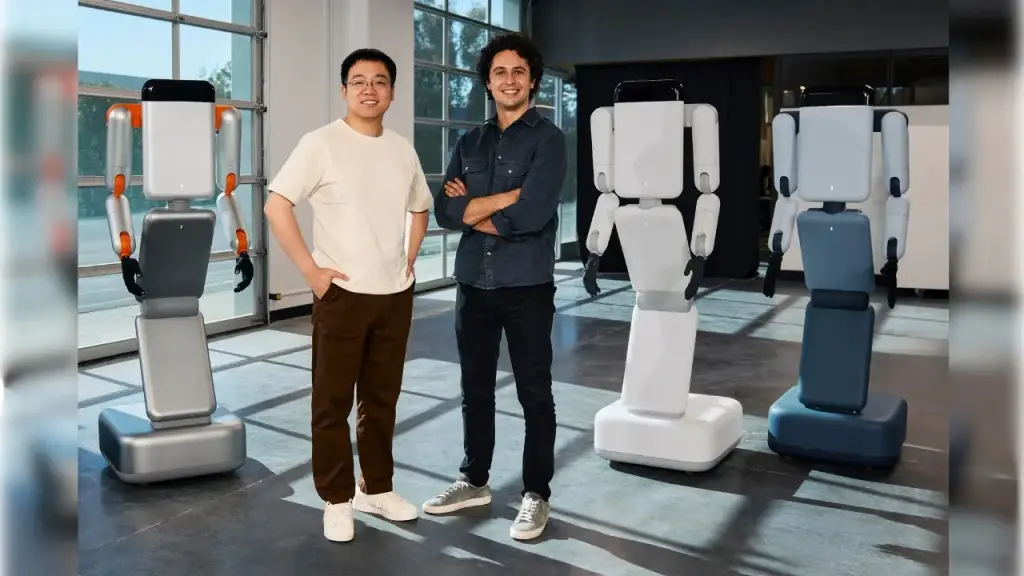
    The company plans to deploy the robot at customer sites in 2027, starting with industrial facilities.

    Genesis AI raises $500 million to develop Eno robot
    Photo: Fox News

    Genesis AI announced a $500 million Series A round at a post-money valuation of $3.5 billion. The company is developing Eno, a general-purpose robot it plans to bring to customer sites in 2027.

    Fox News has the details.

    Genesis AI will use the funding to expand robot training and AI development, increase Eno production, and hire researchers and robotics engineers. Premji Invest, Khosla Ventures and Eclipse co-led the round. Other investors include NVIDIA, AMD Ventures, Samsung Next and Zoom.

    The company trains robots to perform physical tasks using data collected with electronic gloves and cameras worn by workers. The gloves record finger movements and pressure as people handle different materials. Genesis also uses video and its Genesis World simulation platform.

    Genesis AI says its GENE system has demonstrated cooking, handling laboratory equipment and assembling wire harnesses on a test robot. These are not yet demonstrations of Eno itself; the company plans to transfer the skills to Eno as development continues.

    Initial Eno deployments are expected in manufacturing, logistics and laboratories. The company later plans to explore applications in hospitality and healthcare. Genesis has not given a timeline for bringing Eno into homes.
  2. Technology

    Harbinger raises $240 million in Series D round

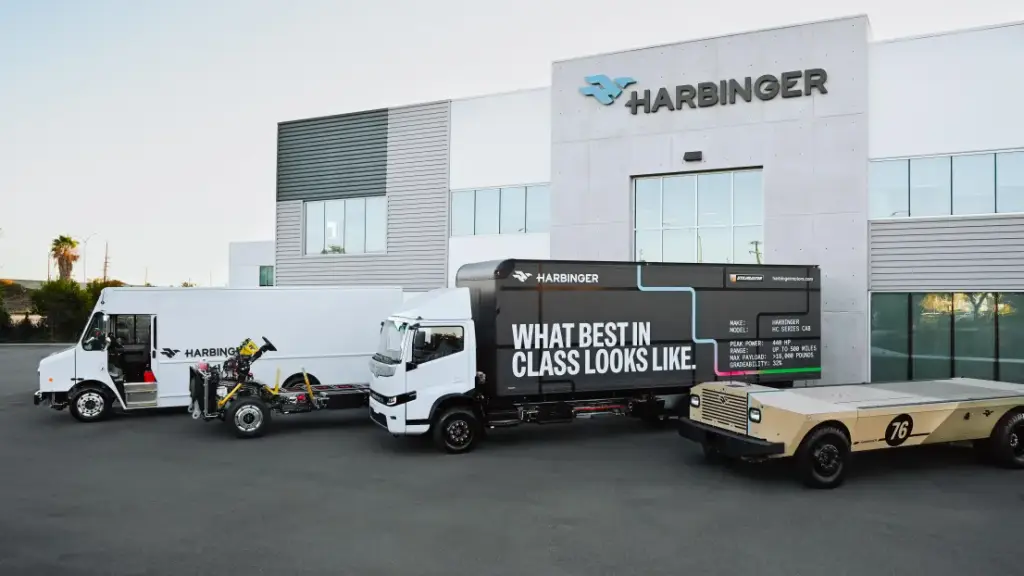
    The startup is focused on commercial vehicles rather than passenger EVs. Its customers include FedEx, which ordered $300 million worth of trucks.

    Harbinger raises $240 million in Series D round
    Photo: The Verge

    Harbinger raised $240 million in a Series D round. The company also has a $300 million order from FedEx and a new defense contract with the U.S. military.

    The Verge reported the news.

    Founded in 2021, the company makes Class 4–6 delivery vans and trucks. It offers fully electric and plug-in hybrid powertrains.

    CEO John Harris says major automakers have not done enough in this segment because it is too small for them. Harbinger assembles its own battery packs and drive units, he said, and plans to make inverters in the future.

    The company is not developing heavy-duty Class 8 trucks. Harris says electrifying long-haul trucking with these vehicles does not make economic sense.

    Harbinger supplies battery power systems to Airstream. With American Rheinmetall and Forterra, it is developing hybrid autonomous supply vehicles for the U.S. Army.

    The company also acquired Phantom AI to add driver-assistance features to commercial vehicles. Harbinger was founded by veterans of Canoo, QuantumScape and Faraday Future.

    In the assessment of article author Andrew J. Hawkins, Harbinger must now prove it can build its vehicles at scale.

  3. Technology

    Xiaomi opens preorders for lock with 13 unlocking methods

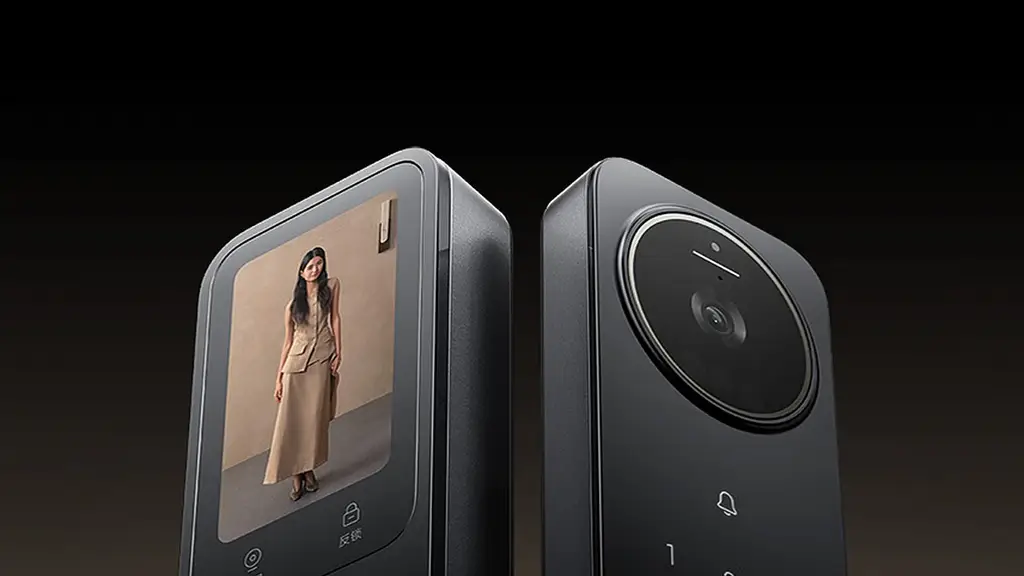
    Its contactless palm vein scanner works from 12 to 20 cm away, and the peephole camera has 2K resolution.

    Xiaomi opens preorders for lock with 13 unlocking methods
    Photo: Notebookcheck

    According to IT Home, Xiaomi opened preorders in China on November 21 for the Smart Door Lock 5 Face Recognition Edition. It costs CNY 2,116, or CNY 1,799 with the government subsidy.

    This was reported by Notebookcheck.

    The model supports 13 unlocking methods. Xiaomi says its 3D facial recognition system identifies registered users in about one second, including in complete darkness. The company puts the false acceptance rate below 0.0001%.

    The contactless palm vein scanner works from 12 to 20 cm away and recognizes a hand in less than a second. Xiaomi says the false rejection rate is below 1%, while the false acceptance rate is below 0.001%.

    Other built-in options include fingerprint scanning, permanent and guest passwords, a WeChat mini program, Bluetooth, remote unlocking and a mechanical key. Four more methods require separately purchased hardware: a Xiaomi phone, watch or band, or an NFC card.

    The peephole camera has 2K resolution, a 3MP sensor and a 160° field of view. A 24GHz millimeter-wave radar and AI system start recording when someone lingers by the door. The owner receives an alert, and recordings are stored in the cloud for three days.

    The lock is available for preorder only in China. Xiaomi has not announced plans to sell it in other markets.

  4. Technology

    n0n claims theft of JPMorgan Chase, Visa and Mastercard customer data

    The leaked records may have included marketing data; Visa and Mastercard said their payment systems were not affected.

    n0n claims theft of JPMorgan Chase, Visa and Mastercard customer data
    Photo: Fox News

    Cyber extortion group n0n claimed on November 16 that it had stolen information linked to JPMorgan Chase, Visa and Mastercard. The claims involved marketing activity records associated with tens of thousands of email addresses. The data was handled by third-party providers for the financial companies.

    Original source — Fox News.

    Reuters reported that the leaked records allegedly contained more than 16,000 JPMorgan Chase customer email addresses and 124 bank employee email addresses. Some entries also included phone numbers and postal codes. The news agency could not independently verify the records’ authenticity.

    JPMorgan Chase confirmed that third-party service providers were targeted in cyberattacks. Based on its preliminary investigation, attackers may have accessed some marketing data, including customer names and email addresses. The bank said its services remained operational and that it would contact affected customers where appropriate and offer support, including complimentary credit monitoring.

    Mastercard said an incident at a third-party provider affected email addresses belonging to a small group of cardholders enrolled in a specific benefit program. The company said its payment network and the ability to use cards were unaffected, and that the exposure had been contained. Its teams are working with the provider to support cardholders as needed.

    Visa said the incident involved a third-party provider in the Asia-Pacific region. The company said its systems and payment information, including card numbers, were not affected.

  5. Technology

    Justice minister opens Ukraine’s fourth digital civil registry office

    It will serve citizens across Ukraine. The Justice Ministry has also updated how people order duplicate documents through Diia.

    Justice minister opens Ukraine’s fourth digital civil registry office
    Photo: Інтерфакс-Україна

    Justice Minister Denys Maslov opened Ukraine’s fourth digital civil registry office in Poltava. The office will serve citizens across the country.

    Original report: Інтерфакс-Україна.

    The office will process online applications for duplicate certificates and extracts, as well as applications to register a divorce online. According to the Justice Ministry, the office received 912 applications for online divorce during its first 12 working days before the official opening.

    The Justice Ministry and the Ministry of Digital Transformation have updated the services for ordering duplicate certificates and extracts through the Diia portal. The services are currently in beta testing and will be available to everyone starting November 23.

    Two comprehensive services have replaced the separate ones: reissuing certificates and providing extracts from the Civil Registry. The system will automatically check for civil registration records and fill in the application, without requiring users to enter data manually or upload scans of supporting documents.

    People will be able to order documents related to birth, marriage, divorce and name changes for delivery to a selected Ukrposhta branch. Work is also underway to launch international delivery of civil registry documents.