Technology

  1. Technology

    US prepares licensing rules for AI chips serving data centers

    Washington aims to block companies in China and other restricted countries from accessing computing power remotely.

    US prepares licensing rules for AI chips serving data centers
    Photo: TechCrunch

    The Donald Trump administration is preparing new rules for exporting AI chips and servers to data centers outside the U.S. Licenses will be required for centers that could provide computing power to companies in China or other restricted countries. The requirement applies to centers and networks with total processing performance (TPP) above 12 million.

    TechCrunch reported the news.

    The U.S. uses TPP to measure computing power. The article’s author estimates that the threshold roughly corresponds to the maximum computing power of 750 Nvidia H100 or H200 chips.

    The rule also covers indirect access through intermediaries or brokers. Exporters and data center operators must monitor customers’ ownership structures and activities to ensure they are not run by people from the D:5 group.

    The D:5 group includes China, Russia, Iran, North Korea and 18 other countries subject to U.S. embargoes.

    The rule also introduces licensing requirements for exports, reexports and transfers of advanced semiconductors to Malaysia, Singapore, Indonesia, Thailand and Brazil. The U.S. Commerce Department said those countries pose a higher-than-normal risk of chip diversion. The requirement does not apply to chips destined for companies based in the U.S.

    Data center operators already providing services covered by the rule must obtain licenses within 90 days of its effective date. The restrictions do not apply to commercial recommendation systems, including those used in e-commerce and social media.

    The rule also rescinds the Biden administration’s AI Diffusion Rule from January 2025. That policy set country-level limits on exports of advanced AI chips and restricted transfers of certain powerful models.

  2. Technology

    Repeatedly draining your laptop battery can wear it down

    HP recommends keeping the charge between 20% and 80% to help extend battery life.

    Repeatedly draining your laptop battery can wear it down
    Photo: Engadget

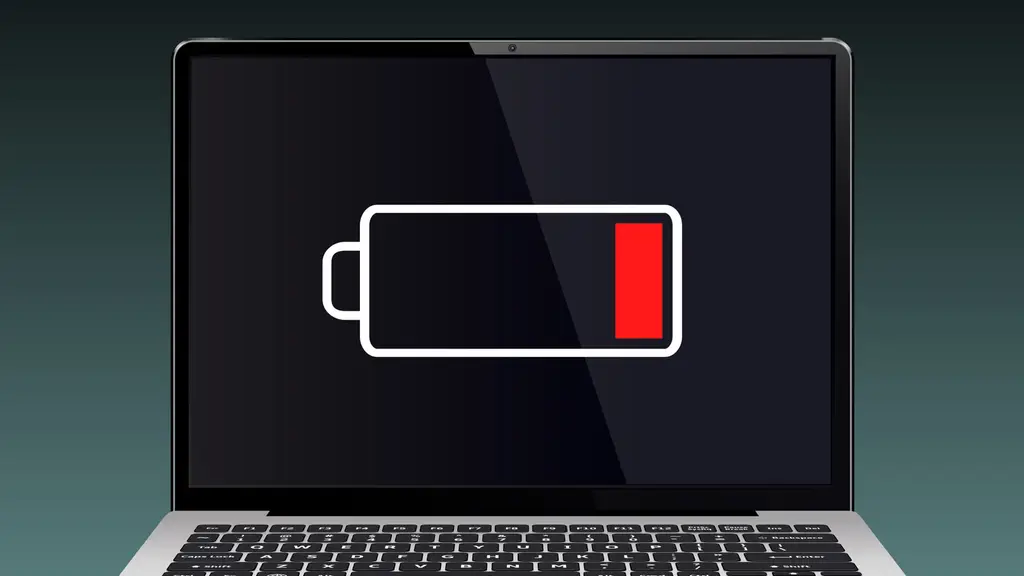
    Repeatedly letting a laptop’s lithium-ion battery drop to a low level can cause wear. HP recommends keeping the charge between 20% and 80% to help the battery last as long as possible.

    The report comes from Engadget.

    Lithium-ion batteries require relatively little maintenance and can charge fairly quickly. You don’t need to drain one completely before recharging it to extend its life. Battery wear can reduce its ability to hold a charge.

    Keeping the charge within a safe range helps lithium ions remain stable.

    Some systems, including Windows, shut down or hibernate a laptop before its battery reaches 0%.

    Most current laptops last 4 to 12 hours on a single charge, and some last longer. Battery life varies by model and how the laptop is used; gaming laptops tend to last less time.

    Unneeded apps running in the background, outdated software, high temperatures and connected devices can speed up battery drain. It’s also worth checking and adjusting power settings, if available.

    A one-time full drain is no cause for concern, but it’s best not to let the battery regularly drop to a low level. If your laptop isn’t plugged in, keep an eye on the remaining charge. Draining the battery is usually just an inconvenience, but avoid making it a habit if you want to preserve battery life as long as possible.

  3. Technology

    Bharat Semi raises $24 million to develop AI image sensors

    The startup plans to begin commercial production in 2027 and grow its U.S. team to around 20 employees.

    Bharat Semi raises $24 million to develop AI image sensors
    Photo: TechCrunch

    New Delhi-based startup Bharat Semi has raised $24 million in seed funding to develop image sensors with artificial intelligence capabilities.

    TechCrunch reported the news.

    The startup said U.S. company General Atomics and India’s Kaynes Semicon selected its designs for their projects. The sensors are still in development, and Bharat Semi plans to start commercial production in 2027.

    Bharat Semi is building programmable sensors that combine image capture and processing with AI capabilities on a single chip. Co-founder Vrinda Kapoor said this could reduce system costs by at least 70%. A conventional setup uses a separate image sensor, image signal processor and system-on-chip.

    The startup is developing sensors for smart homes, industrial automation, surveillance and aerospace. Its first-generation sensors are in the prototyping phase. Kapoor said the second generation is expected to reach the prototype stage by mid-2027, and the startup plans to deliver the new sensors to customers by the end of that year.

    The seed round was led by Info Edge Group, South Park Commons and Indus Bridge Ventures, with participation from Valour Capital, Micromax, Gaingels and individual investors. Bharat Semi plans to use the funds to expand its engineering team, complete product development and bring its sensors to market.

    Bharat Semi has about 75 employees in India and the U.S., including 10 to 12 in its American operations. The startup plans to grow its U.S. team to around 20 people by mid-2027.

  4. Technology

    Navigation apps send speed camera alerts through CarPlay

    Mobile cameras can move, so an alert about a new location appears only after someone reports it to a navigation app.

    Navigation apps send speed camera alerts through CarPlay
    Photo: Engadget

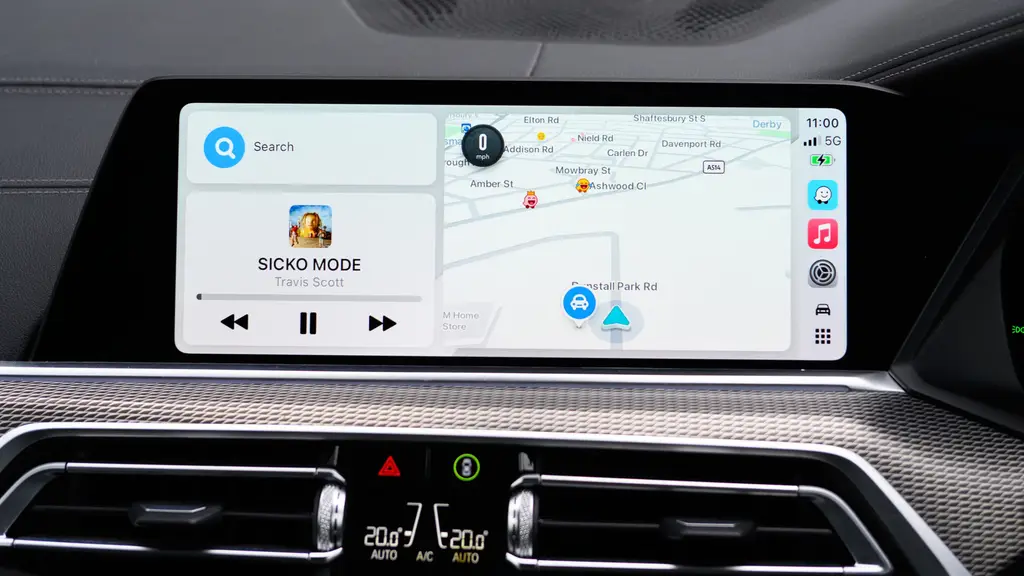
    Drivers can get speed camera alerts through Apple Maps, Waze and Google Maps in CarPlay. CarPlay itself does not send alerts.

    Original report: Engadget.

    Mobile cameras change locations, so an app will alert drivers to a new spot only after someone reports it.

    Apple Maps camera alerts turn on automatically in regions where the feature is available. Waze alerts are on by default, and settings can be changed under Settings Alerts and Reports Reports Cameras.

    In Waze, each camera type has separate options for showing it on the map and sending alerts while driving. Make changes before connecting to CarPlay; Waze will apply them the next time you connect and drive.

    In Google Maps, drivers can mark a mobile camera with the Report button in CarPlay. To get alerts from other drivers, open Settings Alert options All alerts.

    Apple Maps, Waze and Google Maps can show speed limits when the relevant settings are enabled. Google Maps and Waze can warn drivers when they are going too fast; Waze also alerts them to a sharp speed limit drop ahead. Standard CarPlay has no speedometer, but Waze and Google Maps can show current speed through CarPlay.

  5. Technology

    Samsung to remove Quick Measure and AR Doodle from Galaxy Store

    Downloads will end Dec. 31, but existing users can keep using the apps. They will not receive compatibility updates for future operating system versions.

    Samsung to remove Quick Measure and AR Doodle from Galaxy Store
    Photo: Engadget

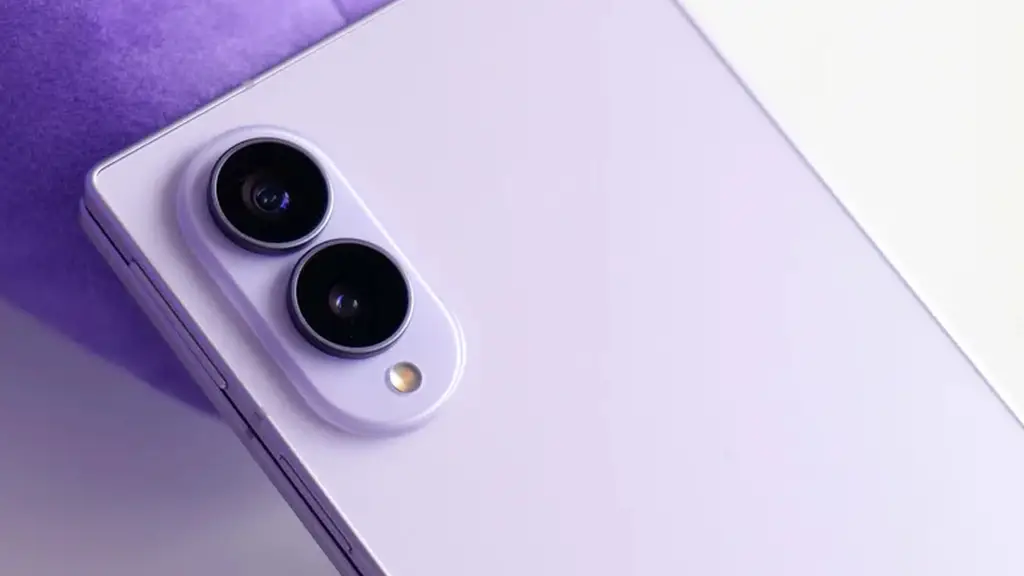
    Samsung will remove the augmented reality apps Quick Measure and AR Doodle from the Galaxy Store on Dec. 31. After that, the company will stop offering new downloads and update support for the apps.

    Engadget published the report.

    Samsung posted notices on both apps’ store pages explaining that downloads and update support will end. People who already have the apps can continue using them, though some features may not work properly.

    The company will not provide compatibility updates for future operating system versions. The article’s author suggests an OS update in 2027 could disrupt Quick Measure or AR Doodle.

    Quick Measure is a virtual ruler for measuring distances and areas. AR Doodle lets users draw on photos and videos and add 3D effects.

    Samsung said it may bring the apps back and plans to return with improved services. It did not say when that might happen or whether their features will move to other products.

    Users with compatible devices can download Quick Measure and AR Doodle from the Galaxy Store through Dec. 31.