Technology

  1. Technology

    Microsoft and Amazon advance their own AI chips

    Microsoft expects to begin deploying Maia 300 in 2027, while Anthropic has agreed to use Amazon chips under a deal for 5 gigawatts of computing capacity.

    Microsoft and Amazon advance their own AI chips
    Photo: Notebookcheck

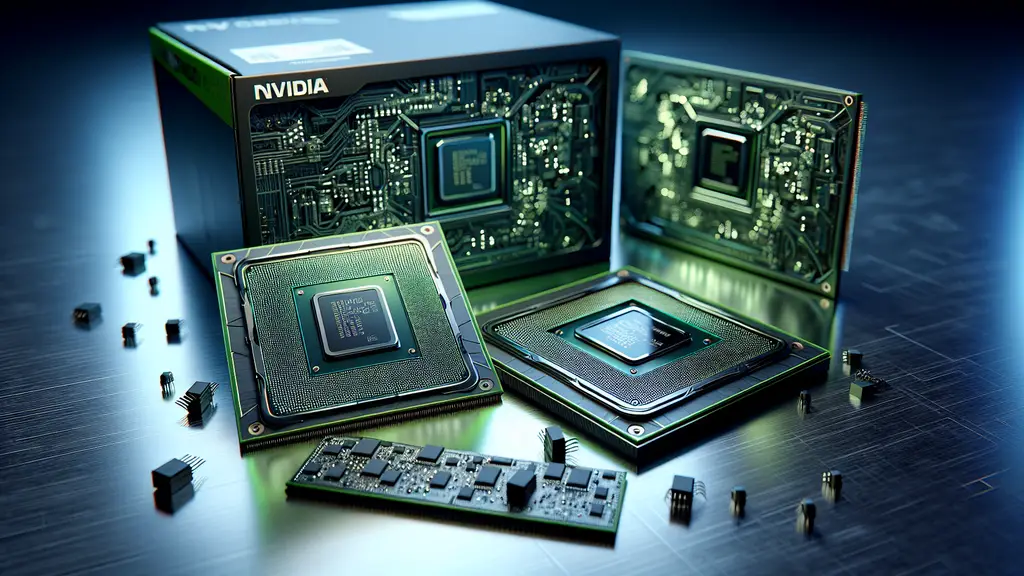
    Microsoft developed the Maia 200 accelerator, which is already handling workloads, including for Copilot, and expects to begin deploying Maia 300 in 2027. Anthropic reached an agreement with Amazon to use Amazon Web Services (AWS) hardware, including the company’s custom chips, as part of a deal for 5 gigawatts of computing capacity.

    Original source — Notebookcheck.

    According to article author Karan Sharma, Nvidia controls about 80% of the AI chip market, and its CUDA ecosystem makes it harder to switch to other platforms. He says Nvidia’s high-end accelerators cost about $30,000 per chip, with margins reaching 75%.

    Major technology companies need substantial computing capacity to train models and handle queries. The article’s author says even a small reduction in chip costs, power consumption or computing rental costs could save companies billions of dollars.

    Microsoft plans to make Maia the main inference engine for its products and services. The company says Maia 300 could deliver four times more tokens per megawatt than leading GPU-based platforms. Amazon and Anthropic say their partnership is intended to improve the efficiency of Claude’s training and operation.

    The article’s author says that if custom chips offer lower costs and reliable performance, they could reduce Nvidia’s share of AI spending. The company could retain an important role through its model-training performance and software.

  2. Technology

    Wall Street Journal: Pentagon discusses drone parts production with GM

    Talks with General Motors and other companies are preliminary, with no final agreements reached.

    Wall Street Journal: Pentagon discusses drone parts production with GM
    Photo: Інтерфакс-Україна

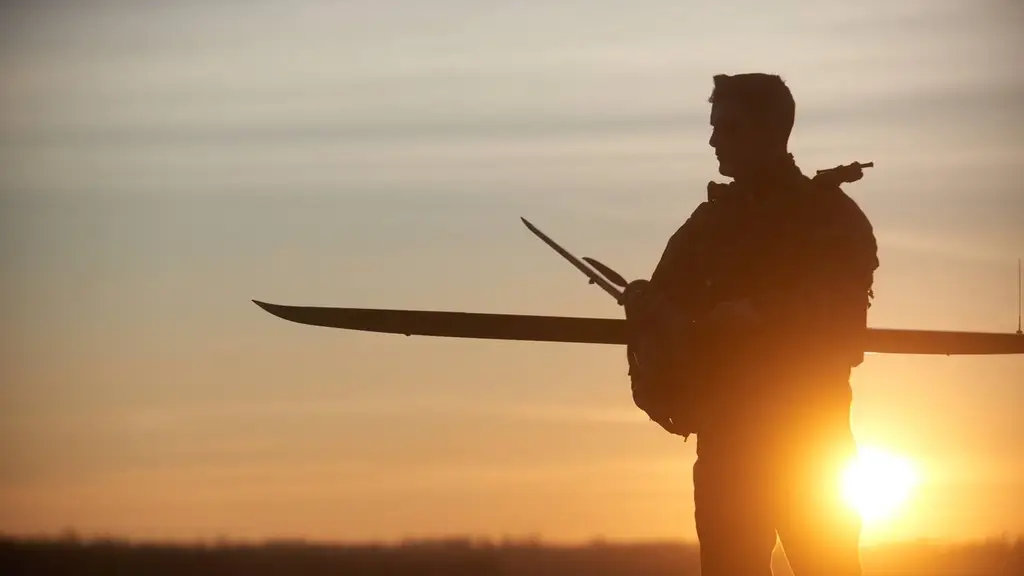
    Pentagon officials have met with representatives of General Motors (GM), Canada’s Magna International and other companies about manufacturing parts for drones.

    Original report: Інтерфакс-Україна.

    The consultations are preliminary, and no agreements have been reached. Companies outside the automotive industry also took part in the meetings.

    GM has shown the greatest interest in working with the Pentagon. Under the proposal, automakers would supply parts to companies that manufacture drones.

    The Pentagon estimates the annual drone market at $20 billion to $30 billion. The department is prepared to offer automakers significant sums to take part in its initiatives, according to unnamed sources.

    Drone manufacturers in the United States are only beginning to ramp up production, and many are not ready to meet demand from the U.S. military. China is one of the leading suppliers, or the sole supplier, of many drone components.

    Automakers are concerned about participating in military production because of reputational risks, unstable demand from the Pentagon and uncertainty over annual funding from the U.S. Congress.

  3. Technology updated 00:02

    Meta brings Muse assistant to Instagram in five countries

    Users can ask about posts, places and products in DMs or ask Muse to take action based on a post they share.

    Meta brings Muse assistant to Instagram in five countries
    Photo: TechCrunch

    Meta said it will begin rolling out Muse in Instagram DMs on Tuesday to iOS and Android users in the U.S., Canada, Mexico, Japan and Singapore.

    TechCrunch published the report. Also reporting: Engadget.

    Users can share a post with the assistant and, for example, ask it to add a coffee shop to a Mexico City itinerary or find a Black Friday deal on shoes. Conversations with Muse on Instagram will appear as a side chat in the Muse app.

    Meta also said users will be able to ask Muse to organize saved posts and videos into themed Collections. The assistant can turn a recipe video into a grocery list or create an itinerary from posts by users’ favorite travel creators. The feature will launch Tuesday in the U.S. and Canada.

    Starting Tuesday, Instagram will prompt users to organize a post with Muse when they save it. Meta says users will remain in control: the assistant will not share, publish or send anything without their approval. Users can also ask Muse to forget information or undo an action.

  4. Technology

    White House seeks $2 billion increase in Artemis funding

    The proposed annual funding rate would be $9.8 billion, 25% more than Artemis received in fiscal year 2026. The request would not immediately provide the funds.

    White House seeks $2 billion increase in Artemis funding
    Photo: Ars Technica

    The White House sent Congress a list of federal budget exceptions Monday night. The administration is asking for a $2 billion increase in funding for Artemis, NASA’s program, bringing its annual funding rate to $9.8 billion.

    More details are available from Ars Technica.

    The list is largely focused on funding for the Department of Defense. The request for Artemis is among the largest proposals outside the defense sector.

    The US fiscal year 2027 began October 1. Since then, NASA and other federal agencies have operated under a continuing resolution. Congress and the White House have yet to agree on a budget.

    The current resolution is in effect until December 11. By then, the parties must agree on a budget or pass another continuing resolution. Otherwise, the US government will shut down.

  5. Technology

    The New York Times asks photographers to avoid Photoshop 2027 on assignments

    The publication is concerned that some tools could add metadata labeling photos as AI-generated.

    The New York Times asks photographers to avoid Photoshop 2027 on assignments
    Photo: The Verge

    The New York Times has told freelance photographers not to use Adobe Photoshop 2027, release 28.0.0 or later updates, while working on assignments for the publication. In an email, photography leaders Meaghan Looram and Josh Haner warned that some features could add metadata identifying photos as AI-generated.

    The information comes from The Verge.

    The email was posted on Threads. The restriction is intended to prevent those labels from appearing on Times photos by mistake.

    Adobe added an AI Assisted Editor view to Photoshop, bringing its AI tools together in one panel. The update also includes an assistant that provides step-by-step instructions, prompt-based editing, AI upscaling and a tool that recomposes images for different canvas sizes.

    Adobe has begun adding support across its apps for metadata indicating whether an image was generated by AI or edited with AI tools. It is not always clear which Adobe features count as AI-powered; even automated selection tools may be included.

    The New York Times has said it does not retouch or digitally manipulate photos, though it may make minimal color adjustments to reproduce an image accurately. Its photography leaders believe such metadata could undermine readers’ trust in the photos.